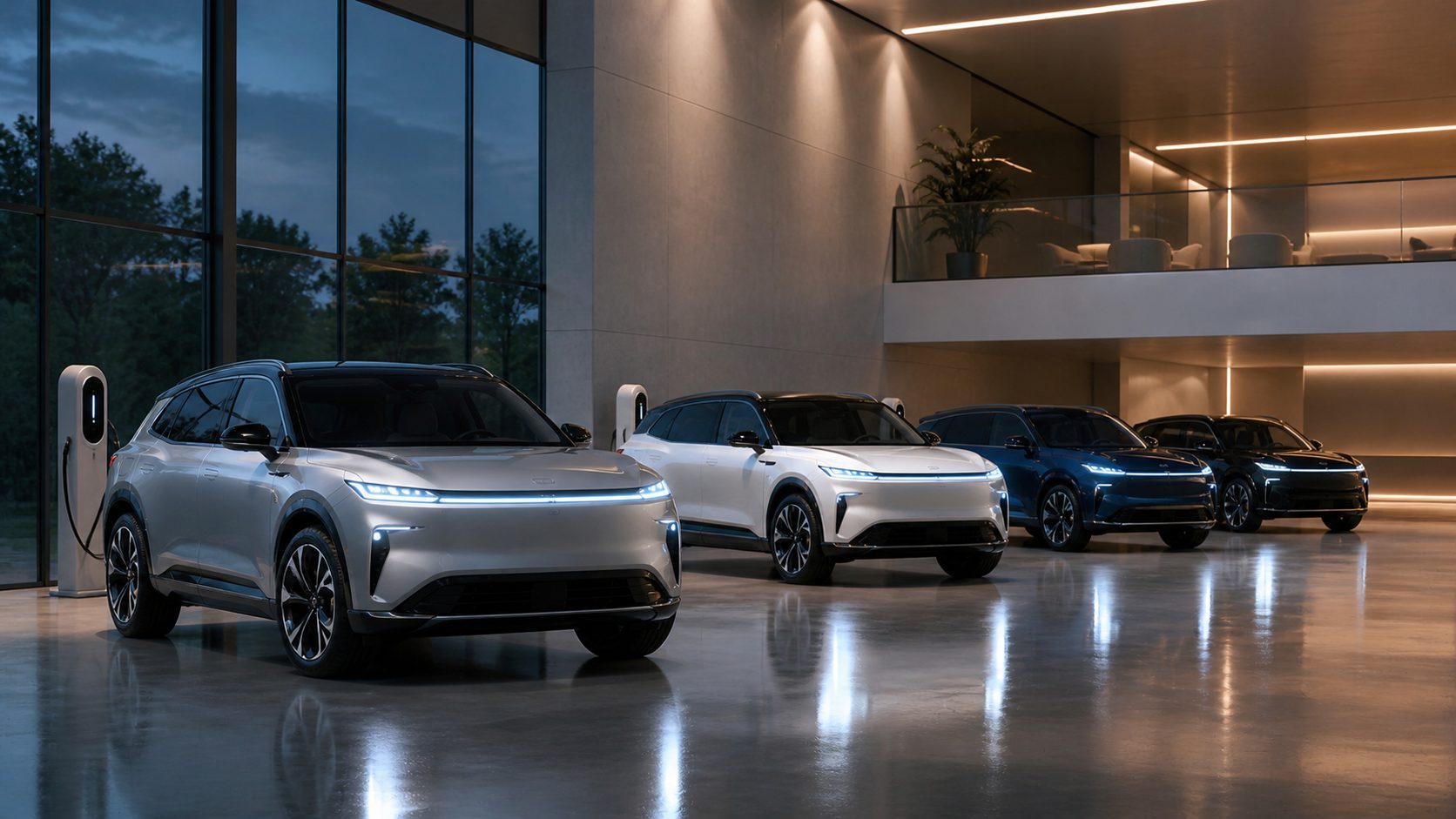
A Family Electric SUV Has to Work Under Pressure
The best family electric SUV is not just the one with the longest range or the largest screen. It is the vehicle that makes daily passenger loading, child-seat use, school traffic, groceries, road trips, winter mornings, and charging routines feel calm. Safety, space, and comfort have to work together, because a family vehicle is judged by what happens when the day is already busy.
Start With the Second Row
The second row is where family EV decisions often succeed or fail. Legroom numbers cannot show whether a rear-facing seat forces the front passenger forward, whether buckles are easy to reach, or whether children can climb in without help. The right test uses your actual seats and your actual passengers.
Door shape matters too. A wide opening can make school drop-off easier, while a sloping roofline can make it harder to lift a child into a seat. Families should test access in a normal parking space rather than an empty showroom.
Safety Needs Detail
Families should read beyond the overall crash rating. Side-impact performance, rear-seat protection, headlight quality, automatic emergency braking, and child-seat anchor design all deserve attention. A family SUV carries precious cargo in more than the front seats. The most family-relevant safety picture includes the passengers in back, the visibility around the vehicle, and the systems that prevent low-speed mistakes.
Driver-assistance features should feel predictable. Lane support, emergency braking, blind-spot alerts, and cameras can reduce stress when they work smoothly. If a system feels abrupt or confusing, test another model before assuming you will adapt.
Visibility is part of safety as well. Thick pillars, small rear windows, or poor camera quality can make parking lots harder. A family vehicle spends a lot of time near children, carts, bikes, and curbs.
Comfort Changes Daily Mood
A family SUV needs to feel good after the first ten minutes. Seat support, suspension tuning, road noise, and climate distribution all shape daily life. EV quietness is helpful, but it can make tire roar or suspension thumps more noticeable. Small comfort problems become large because families repeat the same pickup lines, errands, and weekend drives every week.
Rear vents and charging ports are not luxuries when passengers ride often. They keep children, teens, and adults comfortable without constant front-seat intervention. A calm second row makes the driver’s job easier.
Cargo Space Should Be Tested With Real Gear
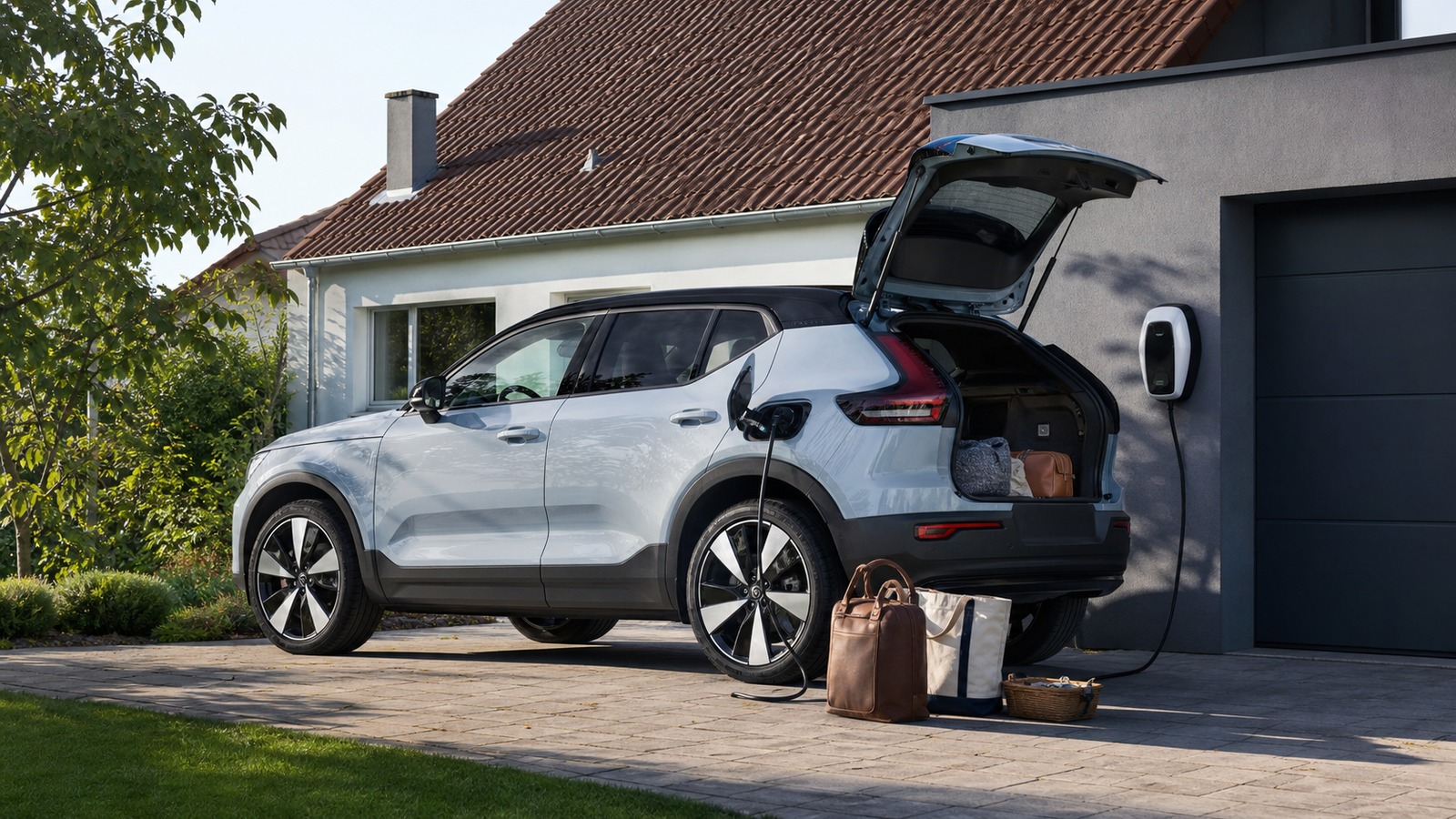
Strollers, groceries, sports bags, folding chairs, school projects, pet crates, and luggage reveal more than cargo numbers. The opening shape, floor height, underfloor storage, and seat-folding process all matter. A useful cargo area should not require a puzzle every weekend. A cargo hold that accepts awkward objects without folding every seat will feel more generous than its spec-sheet number suggests.
Some families benefit from a frunk or underfloor bin for charge cables and emergency items. Separating dirty or awkward gear from groceries can make the cabin easier to live with. Small storage wins add up over years.
Third-row SUVs need special testing. Put passengers in every row, then check luggage space. A third row that works only when the cargo area is empty may not solve the family problem you actually have.
Charging Should Fit Family Timing
Home charging is one of the biggest advantages for families because the car can start each day ready. The charger should be easy to reach without dragging a cable across bikes, toys, or walkways. A clean routine prevents skipped plug-ins. Charging becomes family-friendly when it happens during sleep, school, work, meals, or rest breaks instead of adding a separate errand.
Road-trip charging should be planned around people, not only battery math. Restrooms, food, lighting, safety, and space to stretch matter. A charger that looks perfect on a map may not be the best family stop.
Range Needs a Chaos Buffer
Family days rarely stay tidy. A normal schedule can become school plus work plus practice plus groceries plus a forgotten backpack. The best EV SUV has enough range to absorb those changes without turning the evening into a charging hunt. A useful buffer keeps the driver from choosing between one more errand and one more charging stop at the worst moment.
Weather deserves extra margin. Cold temperatures, rain, heat, winter tires, and highway speed can all reduce efficiency. A family buyer should plan around imperfect conditions because family vehicles are used when life is imperfect.
That does not mean every family needs the largest battery. It means the selected range should cover the household’s hardest common day with a practical reserve. Overbuying range can waste money; underbuying range can waste patience.
Controls Should Be Obvious
A family driver often adjusts climate, cameras, audio, defrost, navigation, and windows while managing passengers. Controls that require too many taps can become annoying quickly. Simple physical shortcuts or well-designed screen layouts are worth testing carefully. The safest controls are the ones a tired driver can use correctly while staying aware of pedestrians, bikes, and traffic.
Voice control can help when it works reliably, but it should not be the only convenient method. A visiting grandparent or babysitter should be able to drive the SUV without a tutorial. Family vehicles reward obviousness.
Ride Quality Beats Showroom Drama
Large wheels, stiff suspensions, and performance tires can make an EV SUV look exciting, but families live with the ride every day. Rough pavement, expansion joints, and neighborhood speed bumps are better tests than a smooth boulevard. Comfort is a long-term feature. A family SUV should be judged on the broken pavement and speed bumps it will actually see, not only a smooth demo loop.
Tire cost also follows wheel choice. Heavy EV SUVs can wear tires faster than expected, and large sizes can be expensive. A practical trim may be the better family buy even if it looks less dramatic.
The same is true of acceleration. Quick response is useful, but smoothness matters more when passengers are drinking, reading, or trying to sleep. A calm pedal tune can be a family-friendly trait.
The Best Choice Survives the Whole Week
A family electric SUV should make Monday morning, Thursday practice, Saturday groceries, and a holiday drive all feel manageable. That is a broader test than range or horsepower. It includes charging, access, storage, comfort, visibility, and service support.
Before buying, spend time with the finalists in the way your family will use them. Put seats in, fold rows, park tightly, check charger routes, and let regular drivers try the controls. The right SUV will feel less like a compromise and more like relief.
When safety, space, and comfort line up, the EV benefits become easy to enjoy. Quiet driving, home charging, smooth acceleration, and lower routine maintenance all matter more when the basics of family life are already handled.
A family buying decision should also consider who will be responsible for plugging in, moving the cable, and checking charge before a long day. A routine that depends on one person remembering everything can become fragile.
Family Charging Needs Clear Household Rules
A family EV routine works best when every driver knows the daily charge target, where the cable belongs, and when full charging is appropriate. Shared rules prevent one person from leaving the next driver with an unexpected low battery. Those rules are most helpful when they are simple enough for secondary drivers, relatives, and babysitters to follow.
Third Rows Are Useful Only When Access Works
A third row can make carpooling easier, but it should be tested with the second row in a realistic position. If passengers cannot climb in comfortably or luggage disappears when the row is raised, the feature may be less useful than it appears. Access should be tested with booster seats, backpacks, and impatient passengers because that is how the row will be used.
Some households are better served by a roomy two-row SUV and occasional rental for rare extra-passenger trips. Paying every day for a third row used twice a year may not be the smartest family decision.
The Best Family EV Reduces Friction
A family vehicle earns loyalty by removing little problems. It should be easy to buckle, easy to clean, easy to charge, easy to park, and easy to keep comfortable. Those traits are not flashy, but they decide whether the vehicle stays loved. The car earns its place when it makes the household feel more organized rather than more dependent on planning.
The final choice should feel calm with everyone aboard. If the kids fit, the gear fits, the charger plan works, and the driver can use the controls naturally, the EV side of ownership becomes a benefit instead of another thing to manage.
Friction also includes the tasks nobody notices until they go wrong: finding a dropped toy, cleaning a spill, reaching a buckle, or plugging in after a long day.
Charging Stops Should Fit Passenger Patience
Families should compare charging stops the same way they compare rest areas. A fast charger with poor lighting, no restroom, or a cramped parking lot may be technically useful and practically unpleasant. The right stop lets people reset while the car adds range. The best stops make the charging session feel like part of the break rather than the reason everyone is waiting.
This is where charging speed and route planning work together. A family EV does not need to charge to full at every stop; it needs to add enough range during a break people already needed. That rhythm makes electric road trips feel natural.
Choose Calm Over Novelty
The most family-friendly electric SUV may not be the one with the wildest acceleration or largest screen. It may be the one with the clearest controls, softest ride, easiest buckles, strongest visibility, and most predictable charging behavior. Calm is a serious feature in a family vehicle.
When the final choice is close, let the normal week decide. The SUV that makes school mornings, errands, charging, and weekend cargo easier is the better family tool.
That kind of practical fit lasts longer than a showroom thrill. Families need a vehicle that feels ready when everyone else is not.
Older Kids Change the Requirements
A vehicle that works for toddlers may feel different when children become tall, carry sports gear, and need their own charging ports. Families should think about the next several years, not only the current car-seat stage. Rear-seat cushion length, foot room, and visibility can become more important as passengers grow.
Teen passengers also change cargo needs. Backpacks, instruments, team bags, and friends can fill a cabin quickly. A family electric SUV that feels slightly roomy today may feel perfectly sized tomorrow.
The Right SUV Handles Transitions
Family vehicles live through transitions: daycare to school, boosters to adult belts, strollers to sports gear, and short errands to longer trips. A strong EV SUV adapts without making the owner replace it too soon. Flexible cargo, easy seats, and predictable charging all help. That flexibility protects the purchase from becoming outdated as children grow and routines shift.
That flexibility is why the final decision should reward balance. The best family electric SUV is not merely safe, spacious, or comfortable in isolation. It is useful across the shifting routines that define family life.
A family should also think about who may ride in the vehicle next year, not only who rides in it today. Growing children, visiting relatives, and changing activities can quickly reveal whether the SUV has enough flexibility.