The Right Electric SUV Fits Your Whole Routine
An electric SUV can be a family hauler, commuter, road-trip vehicle, winter tool, or weekend cargo machine, but the best choice depends on more than advertised range. Buyers need to compare charging speed, real cabin space, tire costs, ride comfort, safety equipment, software, service access, and the way the vehicle fits home charging. A smart buying guide starts with daily life and works outward, because an EV SUV that looks perfect on paper can still miss the habits that matter most.
Start With Use, Not Size
The electric SUV market is broad enough that the word SUV no longer tells you very much. Some models are tall hatchbacks with useful cargo access, while others are heavy three-row vehicles built for family trips. Before comparing specs, define the work the vehicle has to do every week.
Think about school runs, commuting, road trips, pets, sports gear, winter roads, parking space, and how often the vehicle will carry adults in the back. A vehicle that is perfect for one household can be excessive or awkward for another. The best buying process begins with the mess of real life.
Range Needs a Highway Reality Check
Electric SUVs use more energy at highway speed than many sedans because they are taller, heavier, and less aerodynamic. The official range number is useful, but it may not reflect a cold interstate drive with passengers, luggage, rain, and cabin heat. Buyers should look for real highway tests and owner reports.
Daily driving may be easy even with a moderate range rating. The harder question is whether the SUV can handle the longest normal day without forcing inconvenient charging. That means adding a buffer for detours, weather, errands, and the occasional missed plug-in.
Do not buy range blindly. A larger battery adds cost and weight, and many households rarely use the last part of it. The right range is enough to make your actual routine calm.
Charging Speed Shapes Road Trips
Peak charging power gets attention, but the charging curve tells the better story. An SUV that briefly reaches a high peak and then tapers quickly may not save much time. A model that holds strong power through the useful middle of the battery can feel faster on trips.
Charging planning should include station reliability and amenities. Families and road-trip drivers need restrooms, food, lighting, and safe walking areas, not just a high number on a charger map. The best EV SUV is supported by a charging network that matches your routes.
Home Charging Decides Daily Convenience
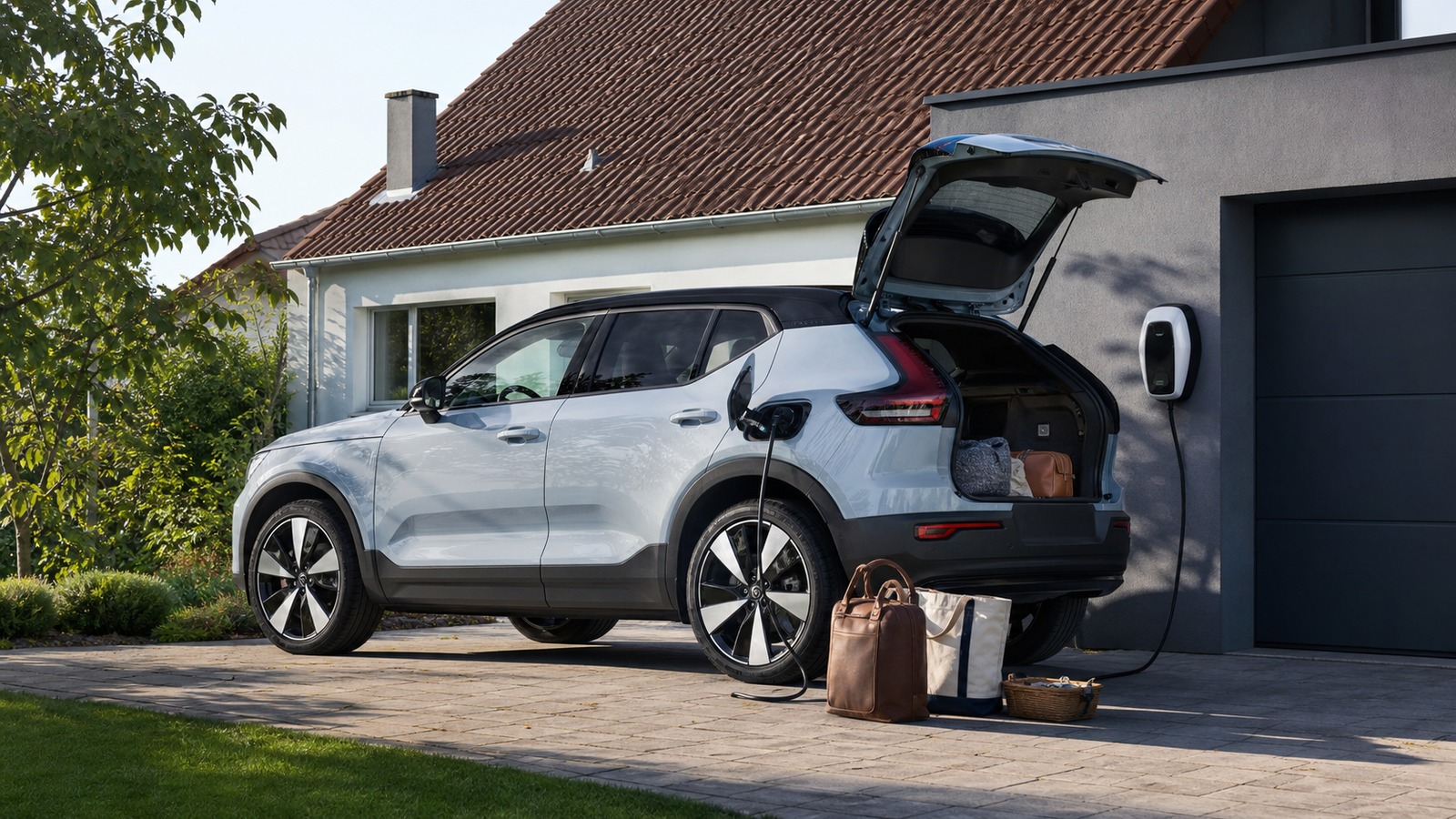
A large electric SUV battery is easiest to live with when it refills while parked at home. Level 2 charging can restore daily use overnight and make the vehicle feel ready without public charging errands. The charger location, cable reach, electrical capacity, and utility rate plan all matter.
If you cannot charge at home, be more conservative. Public charging may still work, but it makes ownership depend on station access and schedule flexibility. A renter, apartment dweller, or street parker may need a bigger battery or a more deliberate weekly routine.
Home charging is also part of cost. Installation, permits, panel upgrades, and utility incentives should be checked before delivery. The purchase price is only one piece of the first-year budget.
Cabin Packaging Can Surprise You
EV platforms can create flat floors and generous storage, but battery placement can also raise the cabin floor. Seat height, thigh support, headroom, door openings, and rear-seat angle should be tested in person. Published dimensions rarely capture comfort completely. A long test sit is useful because floor height, cushion angle, and roofline shape can change how roomy the SUV feels after twenty minutes.
Third rows deserve special skepticism. Some are useful for children on short trips, while others can carry adults comfortably. Check access, knee room, headroom, ventilation, and how much cargo remains when every seat is occupied.
Cargo Space Is About Shape
A cargo number does not tell you whether a stroller lies flat, a dog can jump in, or a cooler clears the hatch opening. Square space, low load height, underfloor bins, and seats that fold flat can matter more than the raw measurement. Bring real cargo if the dealer allows it.
Roof racks and cargo boxes add flexibility but reduce efficiency. If you regularly carry bikes, skis, kayaks, or rooftop luggage, include that in your range planning. The accessory that solves a space problem may create an energy problem on the highway.
Interior durability matters too. Families and outdoor users should look for washable mats, protected seatbacks, durable cargo trim, and storage for charging cables. The SUV should tolerate the life it is being purchased to support.
All-Wheel Drive Is Not the Whole Winter Answer
Many electric SUVs offer all-wheel drive through dual motors, and the instant response can feel secure. But traction still comes from tires. Winter tires or all-weather tires can matter more than an extra motor on snow, ice, and cold pavement. A buyer in snow country should compare tire options, heat-pump performance, and battery preconditioning with the same seriousness as motor count.
Cold weather affects range, charging speed, and cabin heating. A heat pump, battery preconditioning, heated seats, and scheduled departure can help preserve comfort and energy. Buyers in cold regions should compare winter behavior carefully.
Tires and Wheels Affect Ownership Cost
Electric SUVs are often heavy and quick, a combination that can wear tires faster than expected. Large wheel packages may look good but increase tire prices, reduce ride comfort, and cut range. A practical buyer checks replacement costs before falling for the showroom stance. This is especially important for shoppers moving from smaller vehicles, because EV SUV tire prices can feel surprisingly high.
The correct load rating is important because EV SUVs carry substantial mass. Cheap replacement tires can compromise range, braking, noise, and durability. Tire choice is not an afterthought; it is part of the vehicle’s operating cost.
Alignment also matters. A heavy SUV with poor alignment can eat tires quickly. During a test drive, listen for road noise, feel for pulling, and inspect used examples for uneven tread wear.
Safety Should Be Model-Year Specific
Electric SUVs often perform well in crash tests, but ratings belong to specific model years and configurations. A trim with different weight, wheels, headlights, or safety equipment may not match the version you read about. Always check current independent results. The strongest comparison uses the newest test protocol available and the trim that most closely matches the vehicle being purchased.
Driver-assistance features should be judged separately from crashworthiness. Emergency braking, blind-spot monitoring, lane assistance, and camera systems can help, but they need to be predictable. A family SUV should reduce stress rather than nag or surprise the driver.
Software Is Part of the Vehicle
EV ownership depends heavily on software. Charging schedules, route planning, preconditioning, phone keys, climate control, driver profiles, and updates all shape daily use. A powerful SUV with confusing software can feel less refined than a simpler one that behaves predictably. Navigation accuracy and charging-menu clarity matter because the software becomes part of every road trip and charging decision.
During the test drive, pair a phone, set a destination, adjust climate, open cameras, and inspect charging menus. These ordinary actions reveal whether the interface will be pleasant when passengers are talking and traffic is moving.
Software support after purchase also matters. Updates can improve charging and features, but they can also introduce changes owners do not expect. Check whether the brand has a record of clear update notes and responsive fixes.
Service Access Belongs in the Decision
The best electric SUV on paper is less appealing if qualified service is hours away. Battery diagnostics, collision repair, software issues, and parts availability can affect downtime. Buyers should check local support before committing to a rare or newly launched model. A nearby service option can turn an annoying issue into a short appointment instead of a long-distance ownership headache.
Used buyers should be even more careful. Ask for recall completion, accident history, battery health, and charging behavior. A clean EV SUV with documented service is easier to trust than a cheaper one with missing records.
The Best Choice Feels Easy Repeatedly
A strong electric SUV does not only impress during a short test drive. It parks easily, charges predictably, carries people comfortably, handles bad weather, and keeps costs within expectations. That repeated ease is what turns a purchase into a good ownership experience. That ease should show up during parking, loading, charging, cleaning, and winter preparation, not only during acceleration.
Choose the SUV that fits your home, routes, cargo, climate, and budget. The right model may not be the fastest, largest, or longest-range option. It will be the one that makes the most difficult parts of your week feel simpler.
That is the buying guide in one sentence: compare the specs, then let your actual life grade the finalists. An electric SUV is too important and too expensive to choose by headline numbers alone.
Ownership Costs Should Be Built Before the Test Drive
Electric SUVs can save money on energy and some routine service, but the full ownership picture includes insurance, tires, home charging, registration, depreciation, accessories, and repair access. A buyer who prices those items early is less likely to be surprised after delivery. This budget check is especially useful when comparing trims, because a lower payment can be offset by costly tires, higher insurance, or a panel upgrade.
A Used Electric SUV Needs Extra Documentation
Used examples should be checked for battery health, recall completion, charging behavior, accident history, tire wear, and underbody condition. The lack of an engine does not make inspection optional. It simply changes what the inspection should focus on. Records also help separate normal EV behavior from warning signs that deserve a deeper pre-purchase inspection.
A well-documented used electric SUV can be a smart value because early depreciation may already be priced in. The risk is buying one with unknown battery history, poor tires, or unresolved software and charging issues.
That documentation should include more than a clean title report. Charging behavior, battery-health evidence, tire condition, software status, and repair records all help reveal whether the SUV is aging predictably.
Let the Hardest Day Choose the Finalist
The best finalist should handle the hardest realistic day without drama: highway miles, passengers, cold weather, cargo, and an evening detour. If a model only works when every condition is ideal, it may be too tight for comfortable ownership. That hard-day filter keeps the buyer focused on comfort, charging reliability, and space instead of showroom excitement.
Once the difficult day is covered, the normal days become easy. That is the reason to buy carefully rather than chase one headline feature. A good electric SUV should make the owner feel prepared before the week begins.
The Final Test Is Repetition
Before deciding, imagine repeating the same ownership routine for several years. The cable reach, cargo floor, rear-seat comfort, software menus, tire cost, and service distance will matter again and again. A good electric SUV should remain pleasant after the exciting delivery week is over. That repeated-use lens is better than relying on a single polished test-drive impression.
The strongest choice is often the one with fewer compromises rather than the one with the loudest specification. If it handles the ordinary week and the occasional hard trip, it is doing the job.
A buyer should also imagine the least glamorous moments: muddy shoes, low winter charge, a late grocery run, and a crowded garage. If the SUV still feels easy then, it is a serious contender.