The Electric Momentum Defining 2026
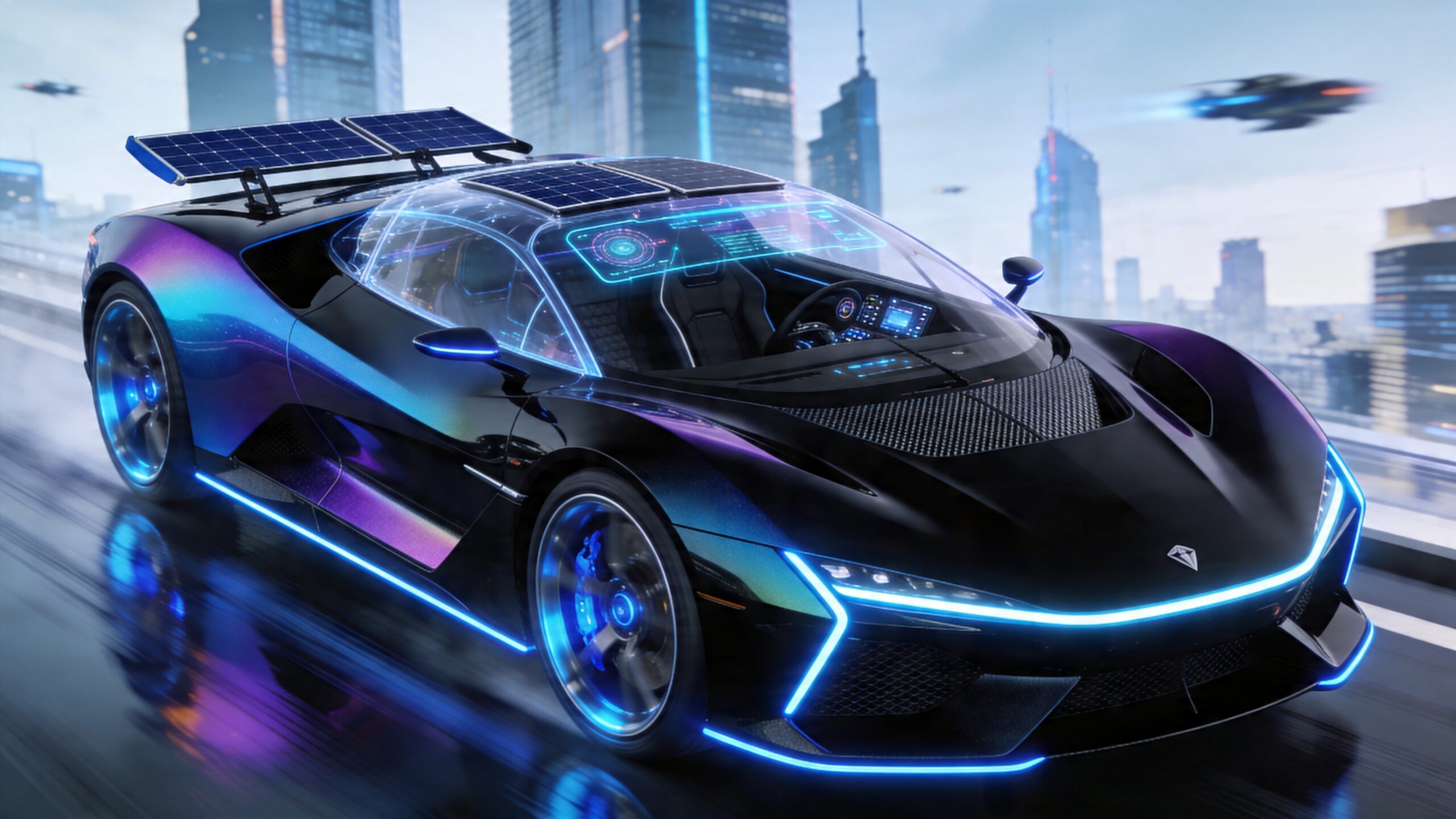
The electric vehicle market in 2026 stands at a pivotal moment, where innovation, policy, and consumer demand converge to reshape global transportation. What was once considered a niche segment has evolved into a dominant force, with EVs no longer defined by early adoption but by mainstream acceptance. Across continents, automakers are accelerating electrification strategies, governments are reinforcing regulatory frameworks, and consumers are embracing a future that promises efficiency, sustainability, and technological advancement. This transformation is not happening in isolation. The EV ecosystem has matured into a complex network of supply chains, infrastructure systems, and digital platforms. The result is a rapidly evolving industry where growth is not only measured in unit sales but also in technological breakthroughs, energy integration, and long-term economic impact.
A: Most last 8–15 years depending on usage and care.
A: Yes, fewer moving parts reduce maintenance costs.
A: Many modern EVs exceed 250–400 miles per charge.
A: Yes, Level 2 chargers make overnight charging simple.
A: Range can decrease, but improvements are ongoing.
A: No, they do not use engine oil.
A: Yes, especially when powered by renewable energy.
A: Many electric trucks are designed for towing.
A: It recovers energy during braking to recharge the battery.
A: Yes, they meet strict safety standards and often score highly in tests.
Battery Technology Leading the Charge
Battery innovation remains the single most influential driver behind the EV market’s rapid expansion. In 2026, advancements in energy density, charging speed, and material efficiency are redefining what electric vehicles can achieve. Manufacturers are pushing beyond traditional lithium-ion limitations, exploring solid-state solutions and alternative chemistries that promise greater range and reduced dependency on scarce raw materials.
These improvements are not just technical milestones; they directly influence consumer perception. Range anxiety, once a primary concern, is steadily diminishing as vehicles routinely exceed practical daily driving needs. Faster charging times are closing the gap between electric and conventional fueling experiences, making EV ownership more convenient than ever before.
At the same time, economies of scale are driving down battery costs. As production expands and supply chains become more efficient, the cost barrier that once limited EV adoption continues to erode. This shift is enabling a broader range of vehicles across multiple price segments, bringing electric mobility to a wider audience.
Charging Infrastructure Expansion and Accessibility
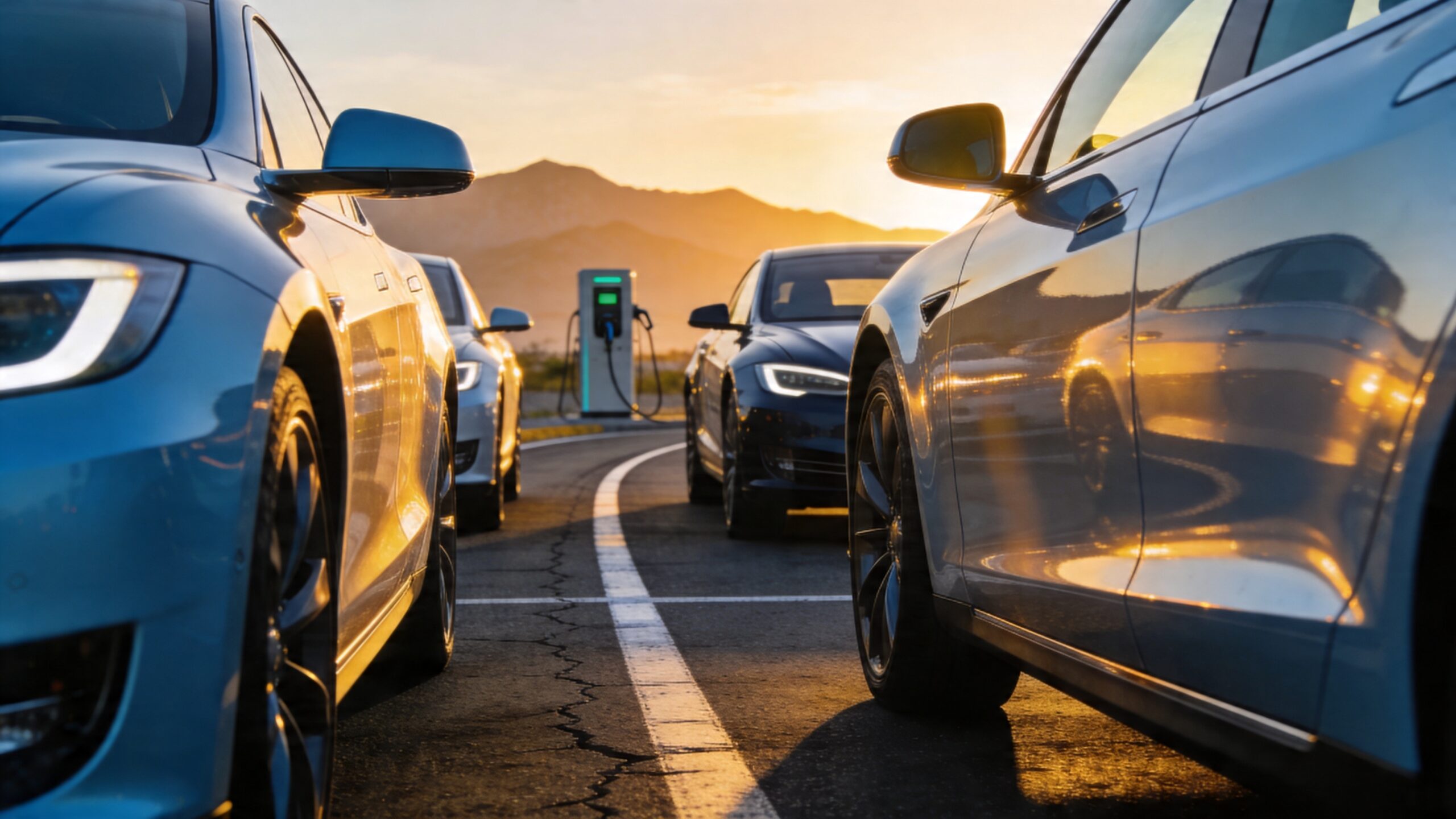
The growth of charging infrastructure is playing a critical role in supporting EV adoption. In 2026, charging networks are expanding rapidly, both in urban centers and along major transportation corridors. Public fast-charging stations are becoming more accessible, while residential and workplace charging solutions are increasingly integrated into everyday environments.
The evolution of charging technology is equally significant. Ultra-fast chargers are reducing downtime, allowing drivers to recharge in minutes rather than hours. Meanwhile, improvements in grid integration are ensuring that increased demand does not compromise energy stability. Smart charging systems are optimizing electricity usage, aligning charging times with renewable energy availability and reducing strain on power networks. Accessibility remains a key focus. Efforts to standardize connectors, improve payment systems, and streamline user experiences are removing friction from the charging process. As infrastructure becomes more reliable and widespread, it reinforces consumer confidence and accelerates market growth.
Government Policy and Regulatory Influence
Government policies continue to shape the trajectory of the EV market. In 2026, regulatory frameworks are more comprehensive and targeted than ever before. Emission standards are tightening globally, pushing automakers to prioritize electrification. Incentive programs, tax credits, and subsidies are making EVs more financially accessible to consumers, while infrastructure investments are supporting long-term growth.
Beyond incentives, policy is influencing the entire automotive value chain. Mandates for zero-emission vehicle sales are setting clear timelines for industry transformation. Urban regulations, including low-emission zones and restrictions on internal combustion engines, are further accelerating the shift toward electric mobility.
These policies are not only driving adoption but also fostering innovation. By creating a predictable regulatory environment, governments are encouraging investment in research, manufacturing, and infrastructure. The result is a more dynamic and competitive market that continues to evolve at a rapid pace.
Automaker Strategies and Industry Competition
The competitive landscape of the EV market in 2026 is more intense than ever. Traditional automakers are undergoing significant transformations, reallocating resources from internal combustion engines to electric platforms. At the same time, new entrants are challenging established players with innovative designs and business models.
This competition is driving rapid advancements in vehicle design, performance, and technology. Automakers are differentiating themselves through software integration, autonomous capabilities, and unique user experiences. The shift toward software-defined vehicles is particularly noteworthy, as it allows manufacturers to deliver updates and improvements over time, enhancing vehicle functionality and extending product lifecycles. Collaboration is also becoming more common. Partnerships between automakers, technology companies, and energy providers are creating new opportunities for innovation. These alliances are helping to accelerate development timelines and bring new solutions to market more efficiently.
Consumer Demand and Behavioral Shifts
Consumer behavior is evolving in response to both technological advancements and broader societal trends. In 2026, EVs are no longer perceived solely as environmentally friendly alternatives; they are increasingly seen as practical, high-performance vehicles that offer long-term value.
Cost considerations are a major factor. While upfront prices remain a consideration, total cost of ownership is becoming more favorable for EVs due to lower maintenance requirements and reduced fuel expenses. As awareness grows, more consumers are recognizing the financial benefits of transitioning to electric vehicles.
Lifestyle changes are also influencing demand. Urbanization, digital connectivity, and a growing emphasis on sustainability are shaping consumer preferences. EVs align with these trends by offering seamless integration with smart home systems, mobile applications, and renewable energy solutions.
Supply Chain Evolution and Material Challenges
The EV supply chain is undergoing significant transformation as demand for batteries and critical materials continues to rise. In 2026, securing reliable sources of lithium, cobalt, nickel, and other key components remains a strategic priority for manufacturers.
Efforts to diversify supply chains and reduce dependency on specific regions are gaining momentum. Recycling initiatives are becoming increasingly important, with companies investing in technologies that recover valuable materials from used batteries. These initiatives not only address resource constraints but also contribute to sustainability goals. Manufacturing processes are also evolving. Advances in automation and digitalization are improving efficiency and reducing production costs. As supply chains become more resilient and adaptable, they are better equipped to support the growing demand for electric vehicles.
The Role of Renewable Energy Integration
The integration of renewable energy into the EV ecosystem is a defining trend in 2026. Electric vehicles are not just transportation devices; they are becoming integral components of broader energy systems. Charging infrastructure is increasingly powered by renewable sources, reducing the overall carbon footprint of EV usage.
Vehicle-to-grid technology is gaining traction, allowing EVs to store and supply energy back to the grid. This capability enhances grid stability and creates new opportunities for energy management. As renewable energy adoption continues to grow, the synergy between EVs and clean power sources becomes more pronounced.
This integration is reshaping the relationship between transportation and energy. It is creating a more interconnected system where vehicles, homes, and power grids work together to optimize efficiency and sustainability.
Emerging Markets and Global Expansion
While established markets continue to lead in EV adoption, emerging markets are playing an increasingly important role in 2026. Countries in Asia, Latin America, and Africa are investing in infrastructure and policy frameworks to support electrification.
These regions present unique opportunities and challenges. Factors such as economic conditions, infrastructure development, and consumer preferences influence the pace of adoption. However, the potential for growth is significant, as rising urban populations and increasing demand for mobility create favorable conditions for EV expansion. Global expansion is also driving innovation. Manufacturers are developing vehicles tailored to specific markets, addressing local needs and preferences. This approach is helping to accelerate adoption and create a more diverse and inclusive EV landscape.
Challenges and Barriers to Growth
Despite significant progress, the EV market still faces challenges that must be addressed to sustain growth. Infrastructure gaps, particularly in rural and underserved areas, remain a concern. Ensuring equitable access to charging solutions is essential for widespread adoption.
Cost remains another factor, particularly in price-sensitive markets. While prices are declining, affordability continues to influence consumer decisions. Addressing this issue requires ongoing innovation and supportive policies.
Supply chain constraints and geopolitical factors also pose risks. Ensuring stable access to critical materials and maintaining efficient production processes are essential for long-term success. These challenges highlight the need for continued investment and collaboration across the industry.
The Road Ahead for Electric Vehicles
The future of the EV market is defined by momentum and transformation. In 2026, the industry is moving beyond early adoption and entering a phase of sustained growth and innovation. The convergence of technology, policy, and consumer demand is creating a powerful foundation for continued expansion.
Looking ahead, the trajectory of the EV market suggests a future where electric vehicles become the standard rather than the exception. As infrastructure improves, costs decline, and technology advances, the barriers to adoption will continue to diminish. The journey is far from complete, but the direction is clear. Electric vehicles are not just a trend; they represent a fundamental shift in how the world approaches transportation. The forces driving this transformation in 2026 are setting the stage for a future that is more efficient, sustainable, and connected than ever before.