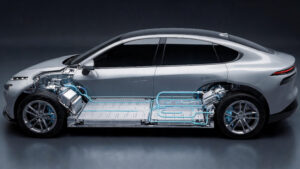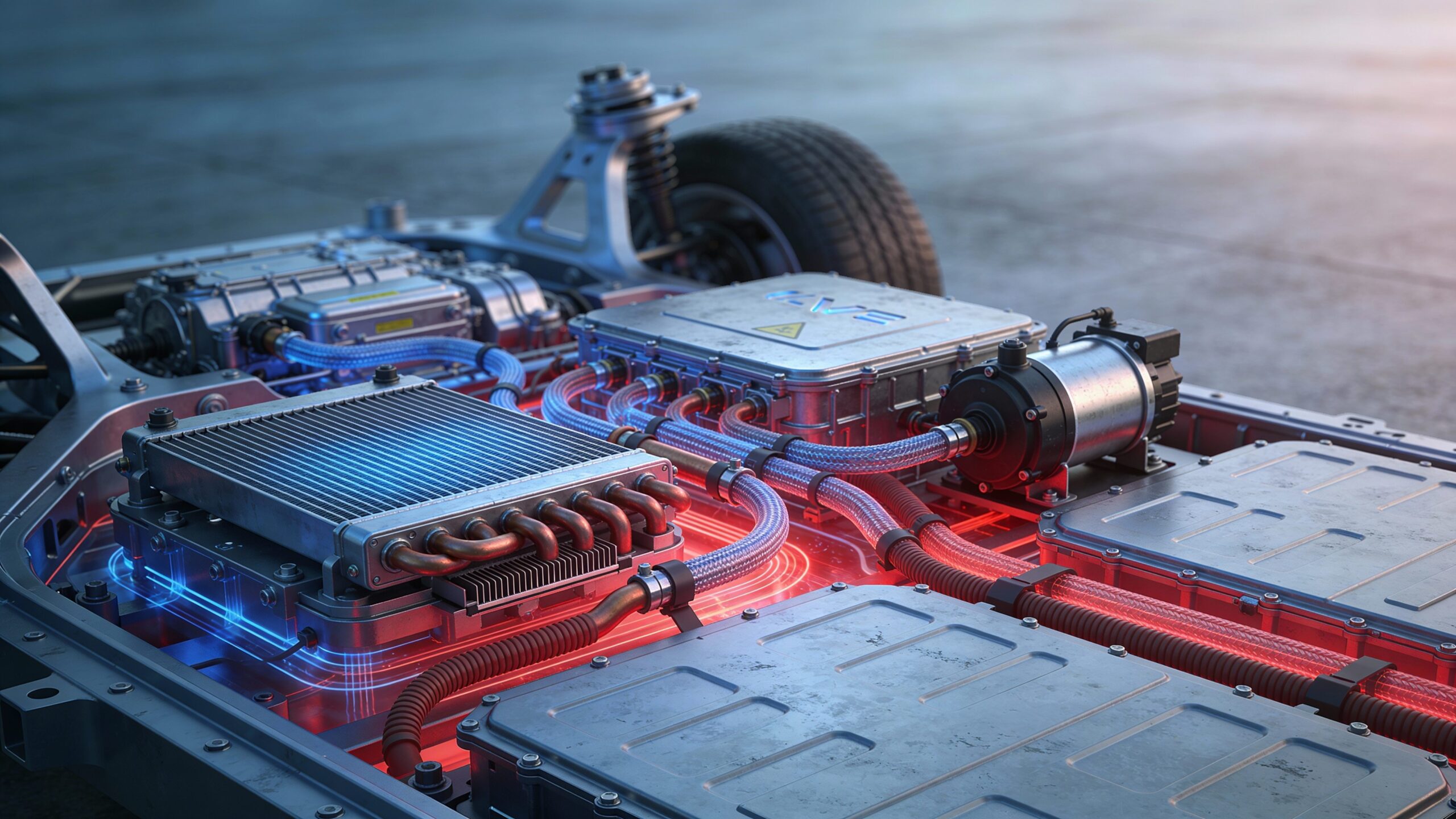
Thermal Management Systems are the unsung heroes of electric vehicles, quietly controlling heat to protect performance, efficiency, and longevity. In EV Auto Street, this sub-category explores how batteries, motors, power electronics, and cabins stay within ideal temperature ranges—whether cruising through summer heat or charging in freezing conditions. Unlike traditional cars, EVs rely heavily on precise thermal balance. Too much heat can degrade batteries and limit power, while cold temperatures can reduce range and slow charging. Modern thermal systems use liquid cooling, heat pumps, sensors, and intelligent software to move heat exactly where it’s needed—or remove it when it’s not. These systems don’t just manage components individually; they coordinate the entire vehicle, sometimes transferring waste heat from motors to warm the cabin or precondition batteries before fast charging. Here you’ll uncover how cooling loops work, why thermal design shapes real-world range, how charging speeds depend on temperature control, and what happens when thermal systems fall short. From extreme-weather engineering to efficiency breakthroughs, Thermal Management Systems reveal how EVs stay smart, safe, and ready for the road.
A: It protects batteries, improves range, and ensures safety.
A: Yes, without proper thermal control.
A: Warming or cooling the battery before charging or driving.
A: Yes, they use less energy.
A: Prolonged heat accelerates degradation.
A: Yes, but efficient designs minimize impact.
A: Sometimes, to protect the battery.
A: Yes, significantly.
A: Absolutely, through smarter control.
A: It’s a major focus of EV innovation.