A New EV Owner’s First Month Should Build Charging Confidence and Real Range Awareness
The first month with an EV is less about mastering every technical detail and more about building calm habits. New owners need to learn where they charge, how range changes with speed and weather, what the dashboard numbers mean, and which settings make daily driving easier.
Set Up Charging First
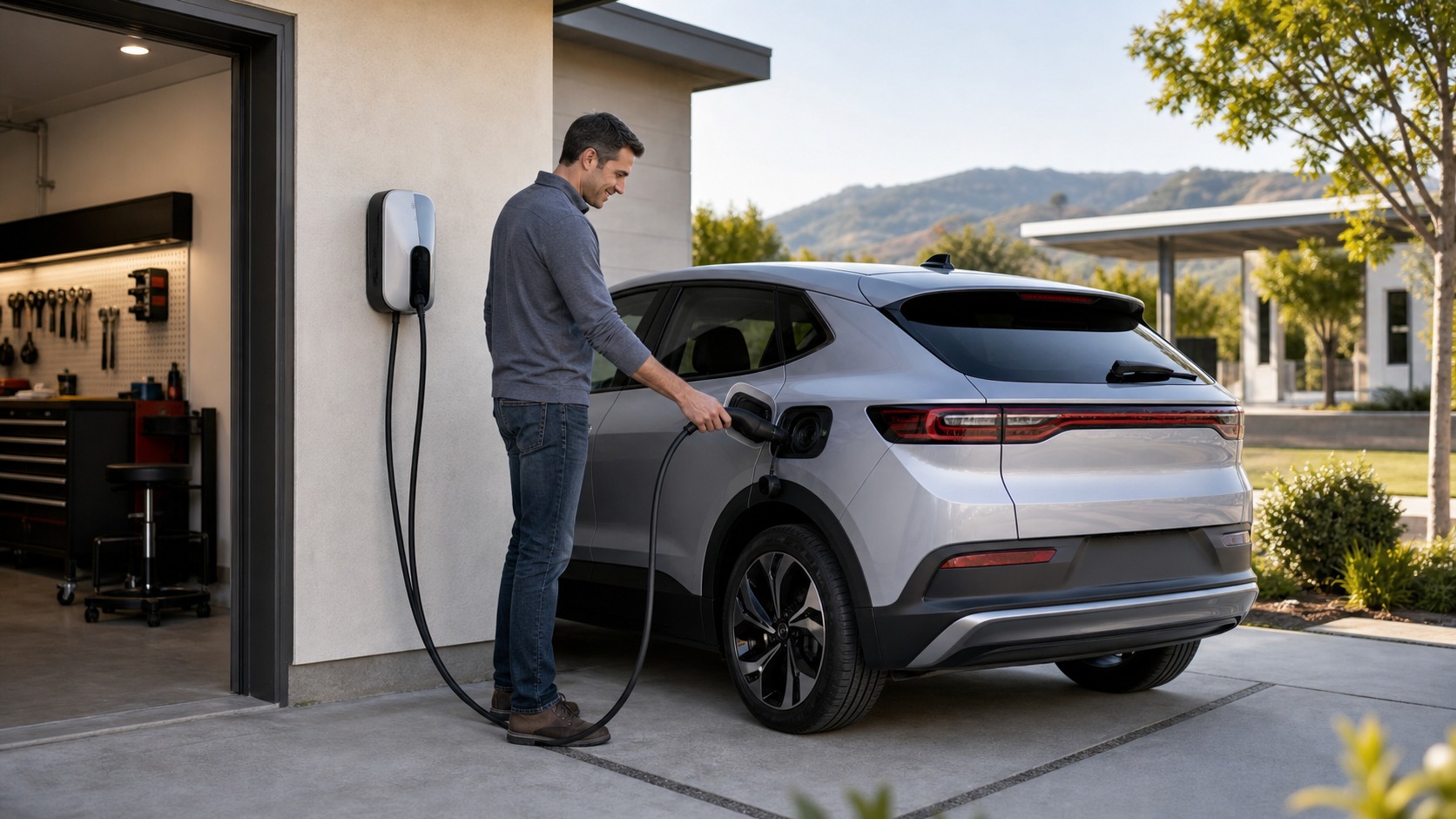
The first priority is a dependable charging routine. For many owners that means Level 2 home charging, while apartment residents may need workplace charging, public stations, or a shared garage solution.
A new EV is easiest to enjoy when charging is predictable. The owner should know where the car will recover range most days before relying on it for every trip.
For First Month EV Ownership, the set up charging first point works best when it is tied to a real driver routine. Daily mileage, charging access, weather, passengers, cargo, and budget often matter more than the single most impressive number in a spec sheet.
The practical check for this set up charging first discussion is simple: decide what would change the ownership experience after the first month. If the answer affects charging time, range confidence, comfort, service, cost, or resale value, it belongs in the buying decision.
That is why the set up charging first angle should be read as an ownership filter, not just background information. A useful EV article helps the reader connect technology claims to the way the vehicle will actually be charged, driven, maintained, and paid for.
Learn State of Charge
State of charge is the battery percentage, and it is often more useful than the estimated miles remaining. The mileage estimate changes with recent driving, weather, terrain, and climate use.
During the first month, owners should notice how much percentage normal routes use. That habit turns the battery display into a familiar fuel gauge.
For First Month EV Ownership, the learn state of charge point works best when it is tied to a real driver routine. Daily mileage, charging access, weather, passengers, cargo, and budget often matter more than the single most impressive number in a spec sheet.
The practical check for this learn state of charge discussion is simple: decide what would change the ownership experience after the first month. If the answer affects charging time, range confidence, comfort, service, cost, or resale value, it belongs in the buying decision.
That is why the learn state of charge angle should be read as an ownership filter, not just background information. A useful EV article helps the reader connect technology claims to the way the vehicle will actually be charged, driven, maintained, and paid for.
Practice Public Charging
A first public fast-charging session is worth doing before a long trip. It teaches plug type, payment method, app setup, charger speed, and how the car behaves as the battery fills.
This practice run reduces stress later. The goal is to learn when time is not urgent.
For First Month EV Ownership, the practice public charging point works best when it is tied to a real driver routine. Daily mileage, charging access, weather, passengers, cargo, and budget often matter more than the single most impressive number in a spec sheet.
The practical check for this practice public charging discussion is simple: decide what would change the ownership experience after the first month. If the answer affects charging time, range confidence, comfort, service, cost, or resale value, it belongs in the buying decision.
That is why the practice public charging angle should be read as an ownership filter, not just background information. A useful EV article helps the reader connect technology claims to the way the vehicle will actually be charged, driven, maintained, and paid for.
Use Scheduled Charging
Many EVs can schedule charging for lower-cost hours or for a target departure time. That can save money and help the cabin or battery precondition while the car is still plugged in.
Owners should check local electricity rates and utility programs. The cheapest charging time may be different from the most convenient one.
For First Month EV Ownership, the use scheduled charging point works best when it is tied to a real driver routine. Daily mileage, charging access, weather, passengers, cargo, and budget often matter more than the single most impressive number in a spec sheet.
The practical check for this use scheduled charging discussion is simple: decide what would change the ownership experience after the first month. If the answer affects charging time, range confidence, comfort, service, cost, or resale value, it belongs in the buying decision.
That is why the use scheduled charging angle should be read as an ownership filter, not just background information. A useful EV article helps the reader connect technology claims to the way the vehicle will actually be charged, driven, maintained, and paid for.
Check Tires and Efficiency
Tire pressure matters because EV weight and torque can make tires work hard. Low pressure can reduce efficiency, range, and tire life.
The first month is a good time to learn the normal pressure target, inspect wear, and understand how driving style changes energy use.
For First Month EV Ownership, the check tires and efficiency point works best when it is tied to a real driver routine. Daily mileage, charging access, weather, passengers, cargo, and budget often matter more than the single most impressive number in a spec sheet.
The practical check for this check tires and efficiency discussion is simple: decide what would change the ownership experience after the first month. If the answer affects charging time, range confidence, comfort, service, cost, or resale value, it belongs in the buying decision.
That is why the check tires and efficiency angle should be read as an ownership filter, not just background information. A useful EV article helps the reader connect technology claims to the way the vehicle will actually be charged, driven, maintained, and paid for.
Understand Regenerative Braking
Regenerative braking may feel unusual at first. Some EVs allow strong one-pedal driving, while others use lighter regen or blended braking.
New owners should test settings in normal traffic and choose the mode that feels predictable. Comfort and control matter more than chasing maximum recovery.
For First Month EV Ownership, the understand regenerative braking point works best when it is tied to a real driver routine. Daily mileage, charging access, weather, passengers, cargo, and budget often matter more than the single most impressive number in a spec sheet.
The practical check for this understand regenerative braking discussion is simple: decide what would change the ownership experience after the first month. If the answer affects charging time, range confidence, comfort, service, cost, or resale value, it belongs in the buying decision.
That is why the understand regenerative braking angle should be read as an ownership filter, not just background information. A useful EV article helps the reader connect technology claims to the way the vehicle will actually be charged, driven, maintained, and paid for.
Plan the First Road Trip Carefully
The first longer trip should include extra buffer, backup chargers, and realistic stop times. Route planners are useful, but station reliability and weather still matter.
After a few trips, owners usually learn how much reserve feels comfortable. That number becomes personal.
For First Month EV Ownership, the plan the first road trip carefully point works best when it is tied to a real driver routine. Daily mileage, charging access, weather, passengers, cargo, and budget often matter more than the single most impressive number in a spec sheet.
The practical check for this plan the first road trip carefully discussion is simple: decide what would change the ownership experience after the first month. If the answer affects charging time, range confidence, comfort, service, cost, or resale value, it belongs in the buying decision.
That is why the plan the first road trip carefully angle should be read as an ownership filter, not just background information. A useful EV article helps the reader connect technology claims to the way the vehicle will actually be charged, driven, maintained, and paid for.
The Practical Bottom Line
The first month of EV ownership should make the car feel ordinary in the best way. Charging, range, regen, tires, apps, and route planning should become familiar.
A good start prevents most frustration. Once the charging routine is settled, the EV becomes easier to enjoy every day.
For First Month EV Ownership, the the practical bottom line point works best when it is tied to a real driver routine. Daily mileage, charging access, weather, passengers, cargo, and budget often matter more than the single most impressive number in a spec sheet.
The practical check for this the practical bottom line discussion is simple: decide what would change the ownership experience after the first month. If the answer affects charging time, range confidence, comfort, service, cost, or resale value, it belongs in the buying decision.
That is why the the practical bottom line angle should be read as an ownership filter, not just background information. A useful EV article helps the reader connect technology claims to the way the vehicle will actually be charged, driven, maintained, and paid for.
First Month EV Ownership Ownership Check
The practical test for First Month EV Ownership is whether the information changes a real ownership decision. Range, charging access, service support, weather, tire cost, software behavior, and daily mileage all matter more when they are connected to the person who will drive the vehicle.
Exact configuration matters. Battery size, motor layout, wheel package, tire type, charging hardware, heat pump availability, trim equipment, and software version can all shift the result within the same nameplate.
Charging should be treated as a routine, not a hope. Owners need to know where the car charges most days, what happens on longer trips, and whether public stations on key routes are reliable enough to trust.
Service support is part of the decision too. EVs may need less routine engine maintenance, but they still depend on trained technicians, parts availability, software tools, and warranty clarity.
The strongest choice is specific rather than dramatic. It names the driving pattern, charging plan, climate, budget, service path, and tradeoffs before letting any one number decide the whole purchase.
What to Verify Before Trusting the Claim
Claims around First Month EV Ownership should be checked against the exact model year and trim. Official specifications, owner reports, route conditions, charging-network access, and warranty terms can reveal whether the headline matches real use.
Published numbers can still be helpful, but they are conditional. Range changes with speed and weather. Charging changes with temperature and state of charge. Performance changes with tires, battery condition, and surface grip.
If the vehicle still fits after those checks, the case is stronger. If it only works under perfect conditions, rare incentives, empty chargers, or future promises, the buyer should slow down and verify the details.
Long-Term Fit
Long-term EV satisfaction usually comes from calm routines. Owners who understand charging, range, tire wear, software settings, and service options tend to enjoy the technology more.
That routine does not make the EV less interesting. It makes the interesting parts easier to trust because the ordinary parts are handled.
A useful EV article turns the topic into clear decisions: what to check, what to expect, and which compromises are worth accepting for the way the vehicle will actually be used.
Final Decision Lens
Before treating First Month EV Ownership as settled, compare the strongest claim against one ordinary week of driving. Include the commute, errands, highway miles, passengers, cargo, charging time, weather, parking, and any trip that would be annoying if the estimate were wrong.
Then compare that routine against the support system around the vehicle. Good charging access, clear warranty coverage, dependable software, trained service, and realistic parts availability make the technical strengths easier to trust over time.
The final question is simple: does this EV make the owner’s actual life easier, calmer, or more capable after the excitement fades? If the answer is yes under normal conditions, the article has done its job.