The Best Family EV Makes Daily Life Easier
A family electric car has to do more than post a good range number. It needs real back-seat space, easy child-seat access, useful cargo room, strong crash-test results, comfortable ride quality, predictable charging, and controls that do not frustrate busy drivers. The best family EV is the one that handles school mornings, weekend errands, bad weather, and road trips without turning every outing into a packaging puzzle.
Start With the Back Seat
Family EV shopping should begin where passengers actually sit. Published legroom can be helpful, but seat height, cushion angle, floor height, roofline, and door opening shape often matter more. A rear seat can look roomy in photos and still be awkward for a rear-facing child seat.
Bring the child seats, boosters, or tall passengers that define your daily use. Install seats, buckle them, move the front seats into real driving positions, and check whether everyone still has space. This is the family version of a performance test.
Cargo Space Needs Real Objects
Cargo volume numbers do not tell you whether a stroller fits without removing wheels, whether groceries slide under a cargo cover, or whether sports gear blocks the rear window. Shape matters. A square opening and low load floor can beat a larger number with an awkward hatch.
Families should test the cargo area with their actual objects whenever possible. Strollers, backpacks, coolers, folding chairs, pet crates, and instrument cases reveal whether the vehicle fits real life. Do not let a showroom-empty trunk make the decision.
Small storage areas also matter. A frunk, underfloor bin, deep door pocket, or center console can keep charging cables, wipes, snacks, and emergency items from taking over the cabin. Organization is a quiet form of comfort.
Safety Means Details, Not Just Stars
Crash-test ratings are important, but families should read the sub-scores. Side impacts, rear-seat protection, headlights, child-seat anchors, and automatic emergency braking performance can vary even among highly rated vehicles. The safest family choice is the one that protects the occupants you carry most often. A family should care about how protection extends across seating positions, lighting conditions, and daily near-miss scenarios.
Driver-assistance features can help with busy commutes, but they should be predictable and easy to understand. A system that nags constantly or behaves abruptly may increase stress. Test these features on familiar roads before relying on them for long drives.
Comfort Keeps the Car Livable
A family vehicle spends time in traffic, school lines, grocery lots, and highway stretches. Ride quality, seat comfort, cabin noise, visibility, and climate performance all affect how the car feels after the first week. EV quietness can be wonderful, but harsh suspension or poor rear-seat airflow can spoil it.
Wheel size is worth watching. Large wheels can look sharp, but they may reduce ride comfort, increase tire cost, and slightly reduce range. A family EV often benefits from the calmer wheel-and-tire package rather than the sportiest one.
Rear passengers deserve attention during the test drive. Check vents, charging ports, window line, seat recline, and whether children can see out without feeling buried. A comfortable second row can change the mood of every errand.
Charging Has to Fit Family Timing
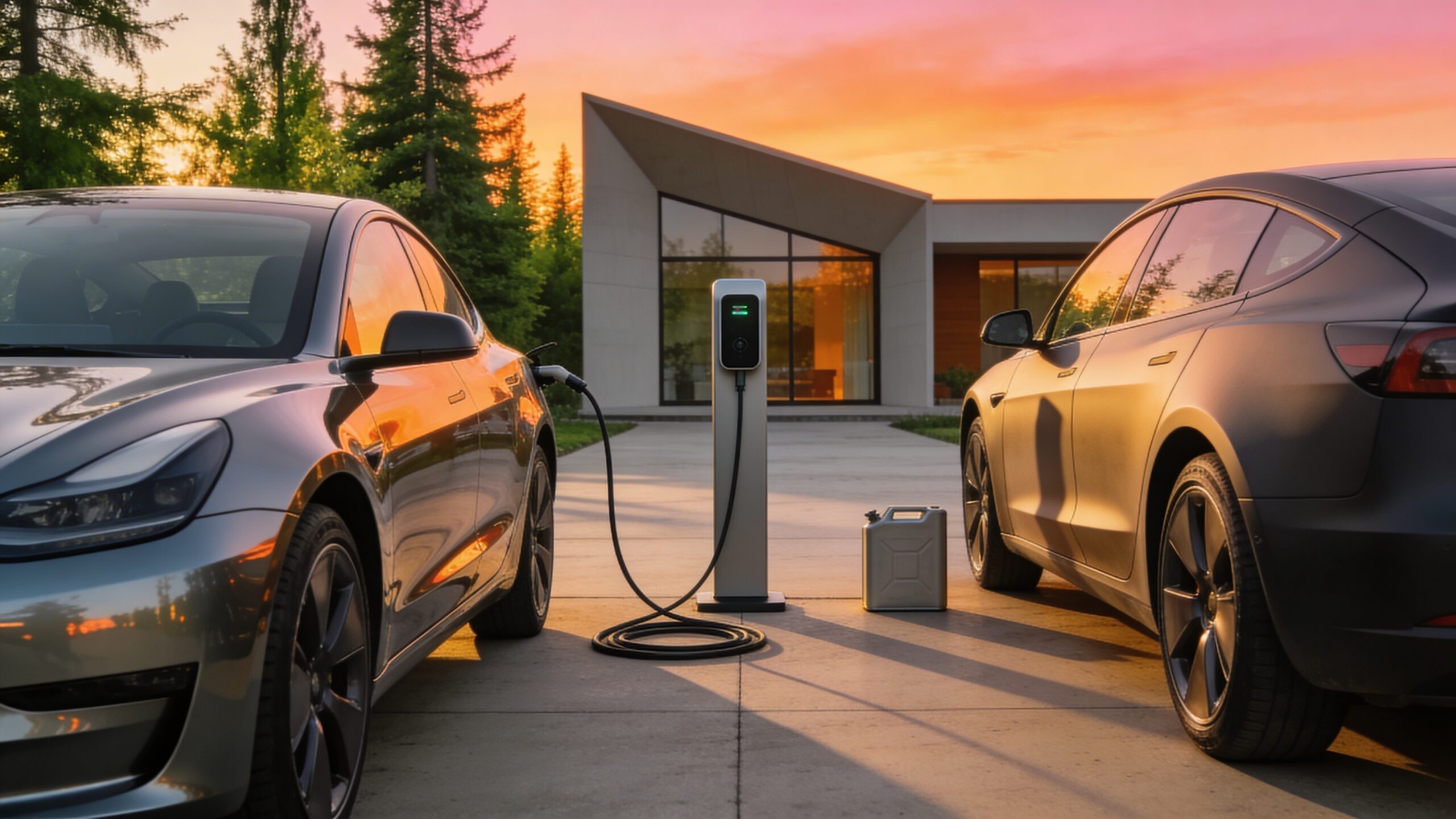
Home charging is a major family advantage because the car can start each day ready. A Level 2 setup can cover school, work, errands, practices, and evening surprises without an extra stop. The charger location should also be safe around kids, bikes, and garage clutter.
For road trips, charging speed and station amenities matter. Families need restrooms, lighting, food, safe walking space, and chargers that work. A slightly shorter stop at a better station may be worth more than chasing the absolute fastest charger.
Range Should Match the Hardest Normal Day
The right family range is not the largest number available. It is enough to cover the household’s longest regular day with weather, detours, and forgotten errands included. That may be school plus work plus sports plus groceries plus a late pickup. That hard-day test is better than averaging easy errands because family schedules rarely fail on convenient days.
A family also needs emotional buffer. Running low with children in the car feels different from running low alone. Choose a range and charging plan that keeps ordinary chaos from becoming a battery problem.
In winter or hot climates, add more margin. Cabin heat, air conditioning, rain, snow, and highway speed all change consumption. A family car should feel dependable when the day is messy, not only when conditions are ideal.
Controls Should Be Simple Under Pressure
Touchscreens can look elegant in a showroom and feel clumsy when a child is asking for help from the back seat. Climate, defrost, wipers, drive modes, cameras, and audio should be easy to manage without hunting through menus. Family driving rewards clarity. The best interface lets the driver solve small cabin requests without losing attention on a busy road.
Voice controls, physical buttons, steering-wheel shortcuts, and well-designed favorites can all help. The key is whether the driver can make common adjustments while staying focused on traffic. A beautiful interface that slows the driver down is not family friendly.
Third Rows Need Honest Testing
Some electric SUVs offer third rows, but space, access, and cargo tradeoffs vary widely. A third row that works for small children on short rides may not work for teens, grandparents, or long trips. It may also leave little cargo room when all seats are in use.
Test the third row with the second row adjusted for real passengers. Then check luggage space, child-seat placement, and how easily people climb in. A usable third row is a system, not a checkbox.
If the third row is rarely needed, a roomier two-row EV may be the better family vehicle. Comfort, cargo, efficiency, and price can all improve when you stop carrying seats you almost never use.
Ownership Costs Still Matter
Families should compare insurance, tires, home charging installation, registration fees, warranty coverage, and expected depreciation. EV fuel savings are helpful, but a heavy vehicle with expensive tires or high insurance can change the budget. Reliability and cost belong in the same conversation.
Used family EVs can be strong values when battery health, safety equipment, and service history are clear. The danger is buying only by payment and discovering that the car lacks range, space, or service support. A family vehicle should reduce stress, not introduce a new spreadsheet every month.
A payment that looks comfortable can feel different once tires, insurance, charging installation, accessories, and depreciation are included.
Those costs should be weighed against the convenience of home charging and the value of a quieter, smoother family routine.
The Best Family EV Feels Calm
The winning family EV is not always the most futuristic one. It is the one that fits car seats without drama, carries messy cargo, charges predictably, rides comfortably, protects occupants, and makes controls easy when the day is noisy. That kind of calm is worth more than a novelty feature.
A good test drive should include your real route, real passengers, and real gear. When the vehicle handles that ordinary pressure gracefully, you have found the right direction. Family EV shopping gets much easier when daily life is allowed into the decision.
School-Day Ergonomics Matter
A family EV should be tested during the kinds of movements that happen every week. Open the rear doors in a tight space, buckle a child seat from the curb side, load backpacks, and see whether the driver can reach climate and defrost controls quickly. These ordinary details matter more than showroom drama.
Pickup lines and parking lots reward visibility, smooth low-speed control, and predictable cameras. A quick EV can still be gentle and easy to place, but not every interface makes that simple. The best family cars reduce the driver’s workload when the cabin is busy.
Door handles, charge-port doors, and key systems should also be easy for the household. A clever design that confuses grandparents, babysitters, or secondary drivers may not be the right family tool.
Messy Cargo Is the Real Test
Families carry wet umbrellas, sports cleats, snacks, sandy towels, groceries, scooters, and forgotten art projects. Easy-clean materials, low cargo floors, durable mats, and protected seatbacks can matter more than luxury trim. A family EV should survive family evidence. Durable surfaces and thoughtful bins can save time after practices, beach trips, grocery runs, and rainy pickups.
Road Trips Need Amenities, Not Just Chargers
Charging with children is easiest when stops have restrooms, food, lighting, and safe walking space. A fast charger in an isolated lot may be fine for a solo driver and unpleasant for a family at night. Route planning should include the humans, not only the battery.
Charging speed still matters because family patience has limits. A vehicle that adds range quickly in the practical middle of the battery can make trips feel natural. The best road-trip EVs combine efficient driving, reliable navigation, and stops that fit normal breaks.
Cabin Calm Is a Feature
Noise, ride harshness, awkward vents, and confusing controls can wear on a family faster than a missing novelty feature. EV quietness is a strong starting point, but suspension tuning, tire choice, seat support, and climate distribution decide whether the cabin stays pleasant. That calm matters because the family car is often where tired passengers and tight schedules meet.
Rear-seat comfort deserves a real drive. Children may care about window height and charging ports; adults may care about thigh support and headroom. A family EV has to work for today’s passengers and the taller passengers they become.
The vehicle should also make the driver calmer. Good visibility, intuitive controls, and predictable driver assistance reduce stress. A relaxed driver is part of a safer family trip.
Charging at Home Changes Family Logistics
Home charging can remove one errand from family life. Instead of stopping for fuel with tired passengers, the car refills while everyone sleeps. That convenience is one of the strongest family arguments for an EV. When the cable routine is tidy, plugging in becomes a five-second habit instead of another chore.
The setup must be family-safe: tidy cable storage, clear walkways, good lighting, and a charger location that does not compete with bikes or storage bins. A messy cable can turn a great feature into a daily irritation.
Let the Family Decide the Finalists
After narrowing by budget, range, and safety, the final decision should involve the people and cargo that will use the car. Children, grandparents, strollers, sports bags, groceries, and school gear reveal truths that spec sheets miss. A family EV has to fit a moving household, not an empty showroom.
The right finalist should make the normal week feel easier. Charging should fit the parking routine, the back seat should be simple to access, and the cargo area should handle messy real objects without drama. When those basics work, the EV advantages become much easier to enjoy.
That practical test also keeps the decision grounded. The vehicle that looks perfect online may lose to the one that makes buckles, bags, charging, and tired passengers easier to manage.
Comfort Is a Long-Term Safety Feature
Comfort may sound softer than safety, but tired drivers and restless passengers affect real trips. A calm ride, clear controls, good visibility, and steady climate control help the driver stay focused. For families, ease of use is not a luxury; it is part of making the vehicle safe to live with.