The Real Cost of Driving in 2026
The debate between electric cars and gas-powered vehicles has evolved far beyond environmental concerns. Today, the conversation centers on cost, practicality, and long-term value. For many drivers, the decision is no longer about novelty but about which option makes more financial sense over time. While electric vehicles often come with higher upfront prices, they promise lower operating costs. Gas cars, on the other hand, offer familiarity and typically lower initial investment, but can carry higher long-term expenses. Understanding the true cost of ownership requires looking beyond the sticker price. It involves examining fuel or charging costs, maintenance, insurance, depreciation, and real-world usability. This comprehensive comparison breaks down each factor to help drivers make a clear, informed decision.
A: Yes, typically due to lower fuel and maintenance costs.
A: Most last 8–15 years depending on usage.
A: Yes, most owners use home charging setups.
A: Yes, with planning and access to fast chargers.
A: No, electric drivetrains eliminate that need.
A: Sometimes, but rates are becoming more competitive.
A: The vehicle must be charged or towed.
A: Yes, they meet strict safety standards.
A: Slightly, due to gradual battery degradation.
A: Generally yes, especially with clean energy sources.
Upfront Costs: Purchase Price and Incentives
One of the most noticeable differences between electric cars and gas cars is the initial purchase price. Electric vehicles generally cost more upfront due to battery technology and newer production processes. However, this gap has been narrowing as manufacturing scales and competition increases across the EV market.
Gas cars remain more accessible at lower price points, particularly in entry-level segments. For buyers on a tight budget, this can make gas vehicles more appealing in the short term. However, incentives can significantly alter the equation. Many regions offer tax credits, rebates, and local incentives for electric vehicle purchases, reducing the effective cost and making EVs more competitive.
When incentives are factored in, the upfront price difference between electric and gas vehicles can shrink substantially, especially in mid-range and premium categories.
Fuel vs Charging Costs: Daily Expenses Compared
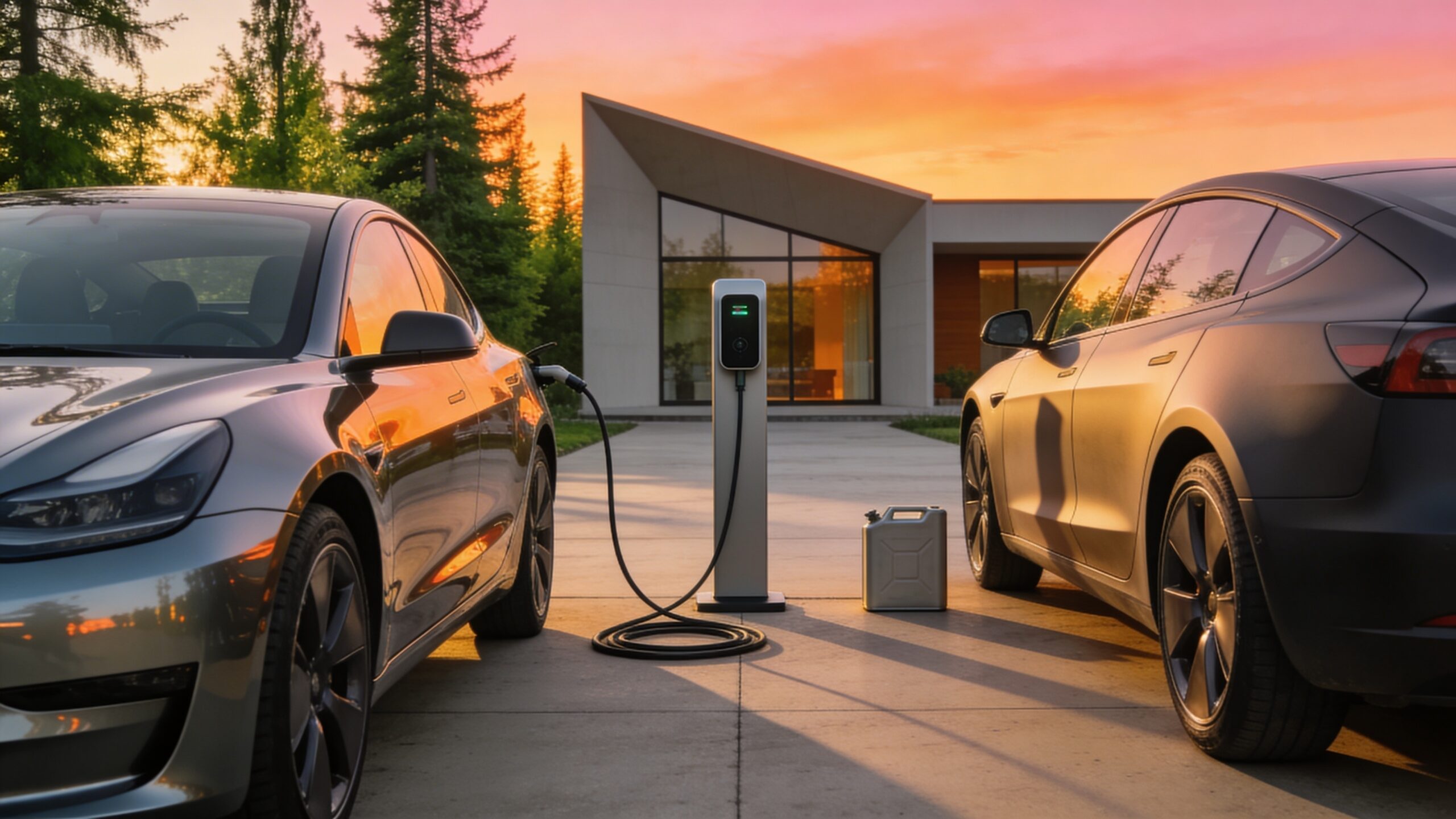
The most consistent cost difference between electric cars and gas cars appears in daily operation. Charging an electric vehicle is typically much cheaper than filling a gas tank, especially when charging at home. Electricity rates tend to be more stable than gasoline prices, offering predictability in monthly expenses.
Gas cars, in contrast, are subject to fluctuating fuel prices that can spike based on global supply and demand. Over time, this volatility can lead to significantly higher costs, particularly for drivers with long commutes. In real-world terms, electric vehicles often cost a fraction per mile compared to gas-powered cars. For high-mileage drivers, this difference becomes even more pronounced, making EVs more cost-effective over the lifespan of the vehicle.
Maintenance Costs: Fewer Moving Parts, Lower Expenses
Maintenance is one of the most overlooked aspects of vehicle ownership, yet it plays a crucial role in long-term cost. Electric cars have significantly fewer moving parts than gas vehicles. They do not require oil changes, transmission servicing, or many of the routine maintenance tasks associated with internal combustion engines.
Gas cars rely on complex mechanical systems that require regular upkeep. Oil changes, spark plug replacements, exhaust system repairs, and engine maintenance all add to the total cost over time.
Electric vehicles still require maintenance, such as tire rotations, brake servicing, and software updates, but the overall cost is generally lower. Regenerative braking systems also reduce wear on brake components, further decreasing maintenance expenses.
Insurance Costs: A Mixed Landscape
Insurance costs for electric cars and gas vehicles can vary widely depending on the model, location, and driver profile. Electric vehicles sometimes carry higher insurance premiums due to their higher upfront cost and specialized repair requirements.
However, as EV adoption increases and repair networks expand, insurance rates are becoming more competitive. Gas vehicles, with their long-established repair infrastructure, often benefit from lower and more predictable insurance costs. Ultimately, insurance differences tend to be less significant than fuel and maintenance savings, but they remain an important factor in the total cost equation.
Depreciation and Resale Value
Depreciation is a critical but often misunderstood component of vehicle ownership. Historically, electric cars experienced faster depreciation due to concerns about battery longevity and rapid technological advancement. However, this trend is shifting as battery technology improves and consumer confidence grows.
Modern electric vehicles are holding their value better than earlier models, especially those with strong range performance and reliable software ecosystems. Gas cars, while still stable in resale value, are beginning to face long-term uncertainty as the market gradually transitions toward electrification.
The resale value of both vehicle types depends heavily on brand reputation, condition, and market demand, but electric cars are increasingly competitive in this area.
Charging vs Refueling: Time and Convenience
Convenience plays a major role in daily vehicle use. Gas cars offer quick refueling, typically taking just a few minutes at a station. This speed remains one of their strongest advantages, especially for long-distance travel.
Electric vehicles, however, offer a different kind of convenience. Home charging allows drivers to start each day with a full battery, eliminating the need for frequent trips to fueling stations. For many owners, this shift in routine becomes a significant benefit. Public charging infrastructure continues to expand, but charging times can still vary depending on the charger type. Fast chargers can replenish a battery quickly, but not as instantly as filling a gas tank. The trade-off is a more integrated and often less time-consuming overall experience for daily use.
Real-World Driving Experience
Beyond cost, the driving experience differs significantly between electric and gas cars. Electric vehicles deliver instant torque, resulting in smooth and responsive acceleration. They operate quietly, offering a refined and modern driving feel.
Gas cars provide a more traditional driving experience, with engine noise and gear shifts that some drivers still prefer. They also offer consistent performance across a wide range of conditions without reliance on charging infrastructure.
In everyday driving, electric vehicles often feel more efficient and effortless, particularly in urban environments where stop-and-go traffic benefits from regenerative braking.
Environmental Impact and Long-Term Value
While cost is a primary consideration, environmental impact also influences purchasing decisions. Electric cars produce zero tailpipe emissions, reducing local air pollution and contributing to cleaner urban environments.
Gas cars, while improving in efficiency, still rely on fossil fuels and produce emissions that contribute to environmental concerns. Over time, regulatory changes and sustainability initiatives may further impact the cost and viability of gas-powered vehicles. For many buyers, the long-term value of electric cars extends beyond financial savings to include environmental responsibility and future-proofing against changing regulations.
Total Cost of Ownership: The Bigger Picture
When all factors are considered, electric cars often present a lower total cost of ownership despite higher upfront prices. Lower fuel costs, reduced maintenance, and potential incentives combine to offset the initial investment over time. Gas cars may still offer advantages in specific scenarios, such as lower initial cost and faster refueling, but their ongoing expenses can accumulate quickly. The decision ultimately depends on individual driving habits, access to charging infrastructure, and long-term financial goals.
Which Is the Better Choice?
Choosing between an electric car and a gas car is no longer a simple question of preference. It is a decision shaped by cost, convenience, and future expectations. Electric vehicles offer compelling advantages in efficiency, maintenance, and long-term savings, while gas cars remain practical and accessible for many drivers.
As technology continues to evolve and infrastructure expands, the balance is steadily shifting toward electric mobility. For drivers willing to adapt to a new ownership model, electric cars often represent the smarter long-term investment. However, the best choice ultimately depends on how and where the vehicle will be used.