The Automotive Crossroads of 2026
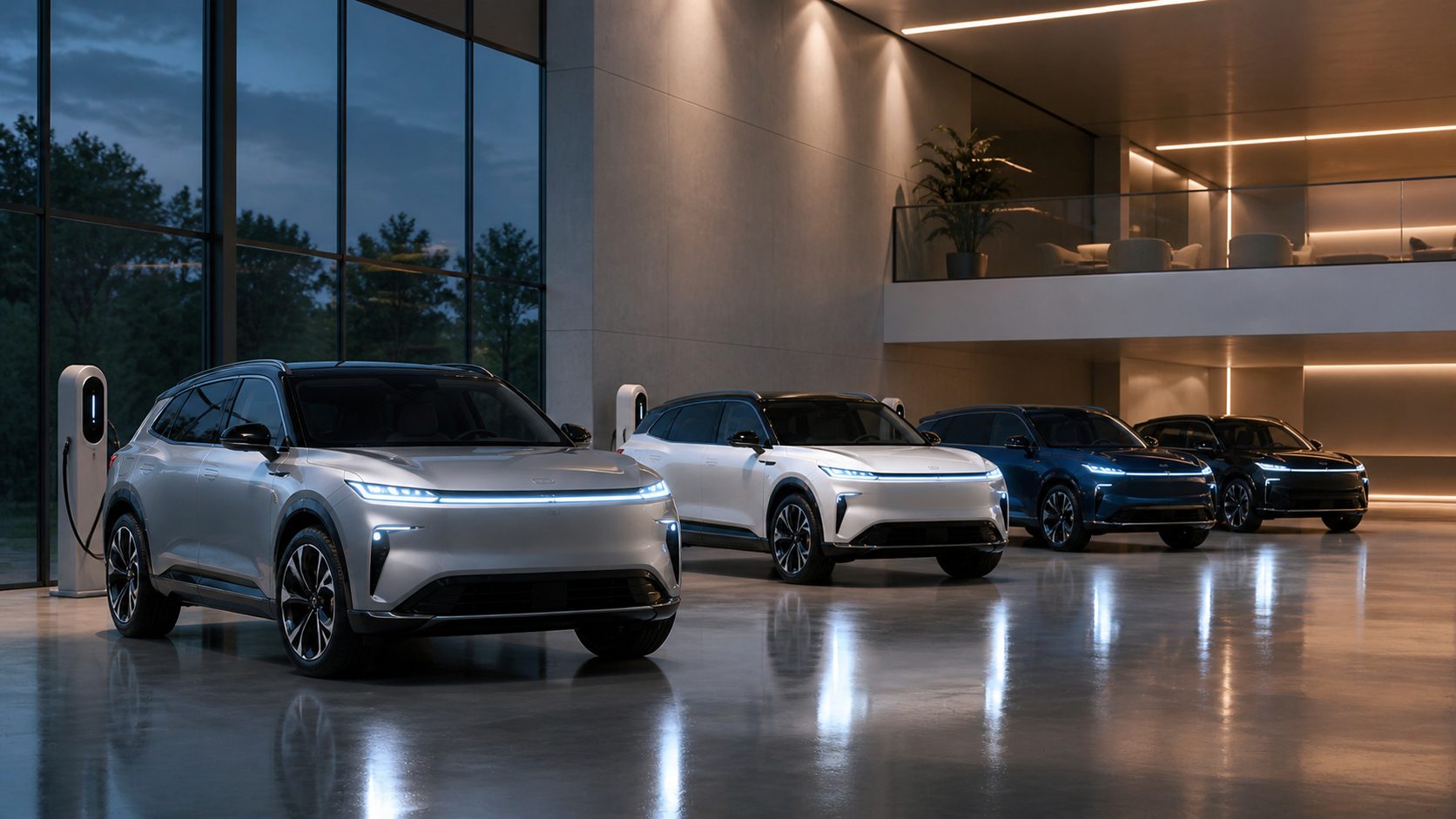
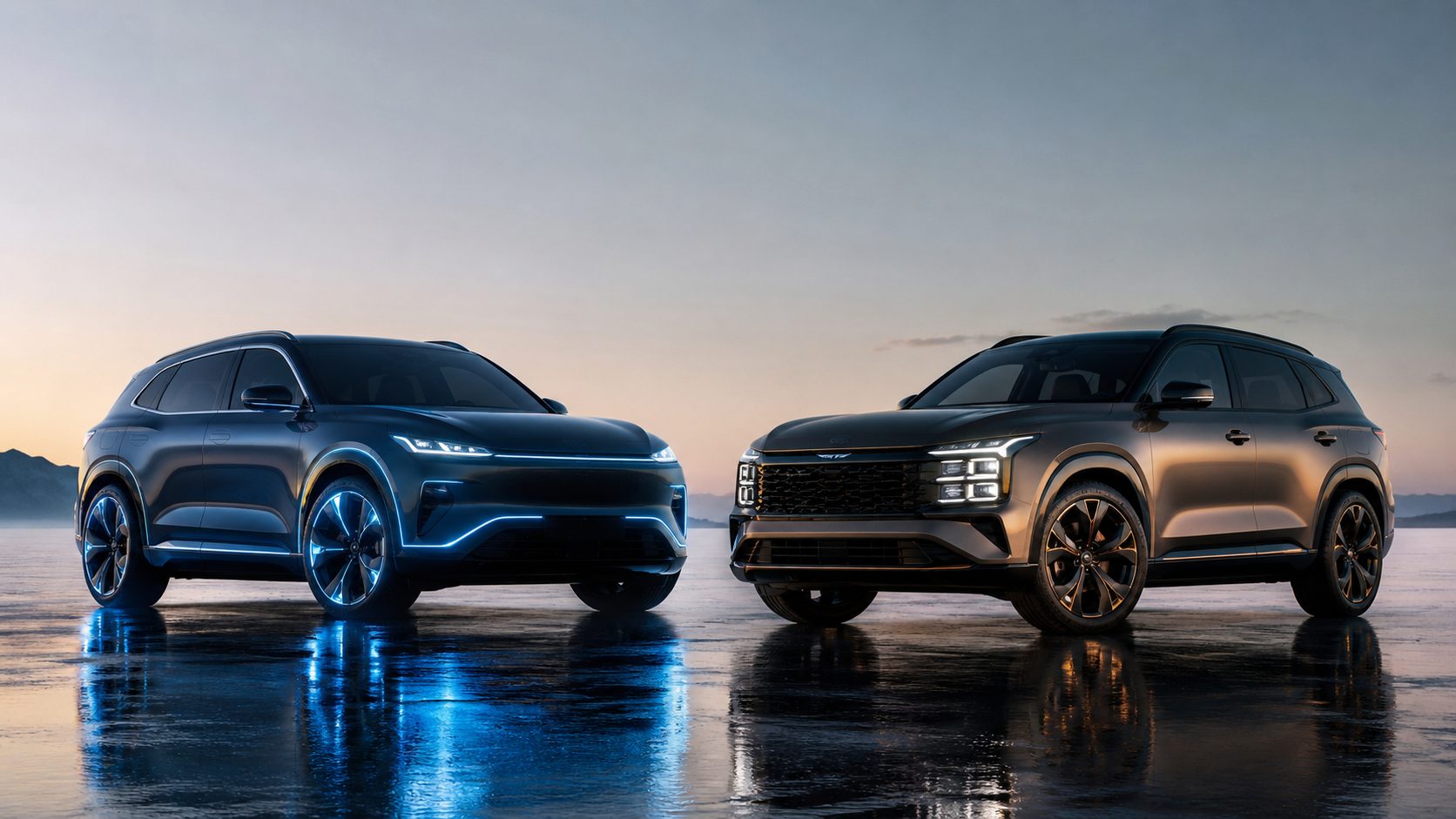
The year 2026 represents a defining moment in the automotive world. Electric SUVs have moved beyond early adoption into mainstream acceptance, while gas-powered SUVs continue to evolve with improved efficiency and refined engineering. Buyers are no longer choosing between old and new—they are choosing between two highly advanced technologies, each with its own strengths. The question is no longer whether electric vehicles are viable, but whether they are the better choice for everyday drivers. Electric SUVs promise a future built on sustainability, silent performance, and cutting-edge technology. Gas SUVs, on the other hand, offer familiarity, long-range convenience, and proven infrastructure. Deciding between the two requires a deeper understanding of how they compare across cost, performance, practicality, and long-term value.
A: Yes, due to lower fuel and maintenance costs.
A: Typically 8–15 years depending on usage.
A: Yes, with Level 1 or Level 2 chargers.
A: Yes, though range may decrease slightly.
A: Yes, especially for long-distance travel.
A: No, gas refueling is still quicker.
A: Yes, fewer moving parts reduce service needs.
A: Concern about running out of battery charge.
A: Generally yes, especially with clean energy.
A: Likely over time, but not immediately.
Performance and Driving Experience
Driving an electric SUV feels fundamentally different from driving a gas-powered one. Electric motors deliver instant torque, creating rapid acceleration that feels smooth and effortless. There are no gear shifts, no engine vibrations, and very little noise. The result is a refined, almost futuristic driving experience that emphasizes comfort and responsiveness.
Gas SUVs still deliver a powerful and engaging experience, particularly for drivers who enjoy the sound and feel of an engine. Advances in turbocharging and transmission technology have made modern gas SUVs more efficient and responsive than ever. However, even the most advanced combustion engine cannot match the instant acceleration of electric powertrains.
In 2026, electric SUVs clearly lead in smoothness and acceleration, while gas SUVs maintain an edge in emotional engagement and traditional driving feel.
Cost of Ownership in 2026
The upfront cost of electric SUVs has steadily decreased, making them more accessible to a wider range of buyers. While some models still carry a premium, government incentives and increased competition have narrowed the price gap significantly. Operating costs are where electric SUVs shine. Charging at home is typically far cheaper than fueling with gasoline, and electric vehicles require less maintenance due to fewer moving parts. There are no oil changes, fewer brake replacements thanks to regenerative braking, and reduced wear on components.
Gas SUVs may still be less expensive to purchase initially in some segments, but their long-term costs can be higher due to fuel expenses and maintenance. Over time, many drivers find that electric SUVs offer better overall value, especially with rising fuel prices.
Range and Refueling vs Charging
Range anxiety was once the biggest concern for electric vehicle buyers, but by 2026, that concern has diminished significantly. Many electric SUVs now offer ranges exceeding 300 miles on a single charge, making them suitable for daily use and long trips alike.
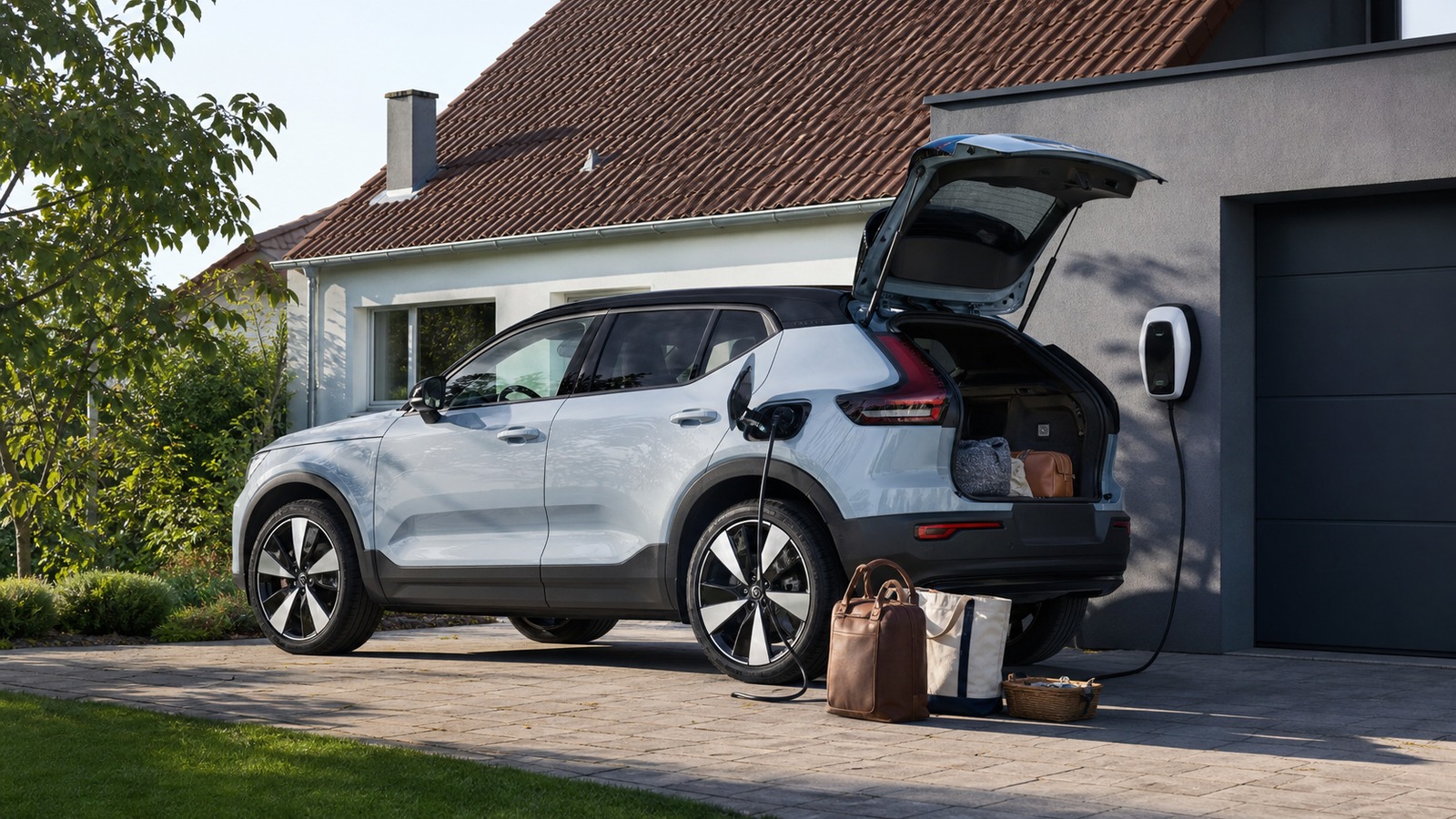
Charging infrastructure has expanded rapidly, with fast-charging networks capable of adding substantial range in under 30 minutes. Home charging remains the most convenient option, allowing drivers to start each day with a full battery.
Gas SUVs still hold an advantage in refueling speed and convenience. Filling a tank takes only a few minutes, and gas stations remain widely available in virtually every location. For drivers who frequently travel long distances or live in areas with limited charging infrastructure, this remains a significant benefit.
Maintenance and Reliability
Electric SUVs are inherently simpler machines. Without complex engines, transmissions, or exhaust systems, they have fewer components that can fail. This simplicity translates into lower maintenance requirements and potentially greater long-term reliability.
Gas SUVs, while highly refined, still require regular servicing. Oil changes, transmission maintenance, and engine repairs can add up over time. However, decades of development have made these vehicles highly dependable, and service networks are widely established. In 2026, electric SUVs are increasingly viewed as the more reliable and lower-maintenance option, especially for drivers seeking long-term simplicity.
Environmental Impact
Environmental considerations play a major role in the decision between electric and gas SUVs. Electric vehicles produce zero tailpipe emissions, contributing to cleaner air in urban environments. When powered by renewable energy, their overall carbon footprint can be significantly lower than that of gas vehicles.
Gas SUVs continue to improve in efficiency, but they still rely on fossil fuels and produce emissions. For environmentally conscious buyers, electric SUVs represent a clear step toward sustainability.
However, the environmental impact of electric vehicles also depends on battery production and energy sources. As technology advances, these concerns are being addressed through improved manufacturing processes and recycling initiatives.
Technology and Innovation
Electric SUVs are often at the forefront of automotive innovation. They feature advanced infotainment systems, over-the-air software updates, and seamless integration with digital ecosystems. Many models include autonomous driving capabilities, smart energy management, and futuristic interior designs.
Gas SUVs have also embraced modern technology, offering sophisticated infotainment and driver assistance features. However, they tend to evolve more gradually, while electric vehicles are designed around digital-first experiences. For tech-savvy drivers, electric SUVs offer a more forward-looking and connected driving experience.
Practicality for Everyday Life
Choosing between electric and gas SUVs often comes down to lifestyle. Electric SUVs are ideal for daily commuting, urban driving, and households with access to home charging. They provide a quiet, comfortable, and cost-effective solution for routine transportation.
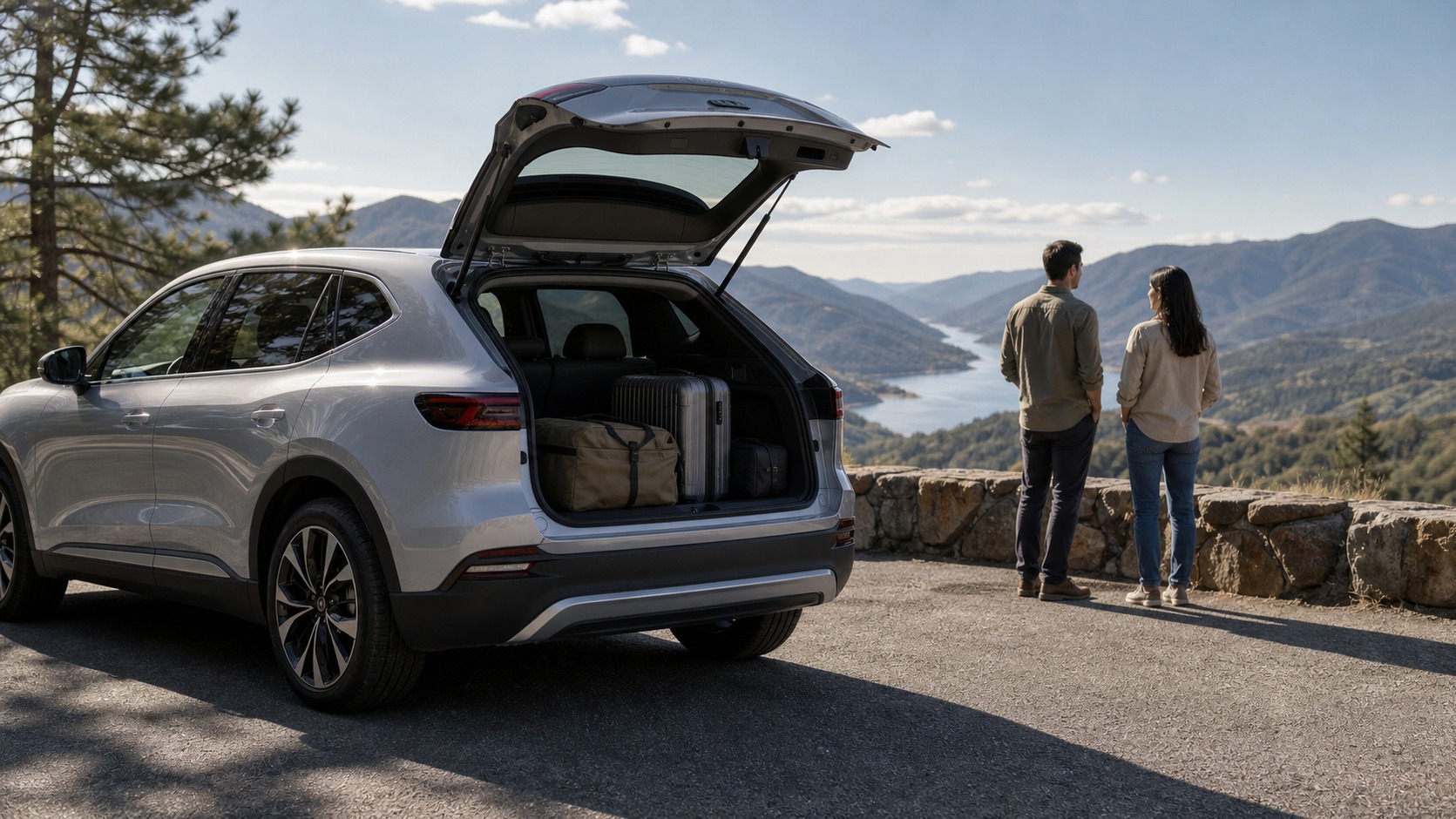
Gas SUVs remain a strong choice for long-distance travel, rural living, and situations where charging infrastructure may be limited. Their ability to refuel quickly and travel extended distances without planning gives them an edge in certain scenarios.
Both options offer ample space, versatility, and capability, making them suitable for families and active lifestyles.
Towing and Capability
Towing capacity has traditionally been a strength of gas SUVs, and many models continue to offer impressive capabilities. Their ability to sustain power over long distances makes them well-suited for heavy-duty tasks.
Electric SUVs are rapidly improving in this area, with some models offering competitive towing capacities. Instant torque provides strong pulling power, but towing can significantly reduce range. For occasional towing, electric SUVs are increasingly viable, but gas SUVs still lead for consistent heavy-duty use.
The Emotional Factor
Beyond specifications and numbers, there is an emotional element to vehicle choice. Electric SUVs represent progress, innovation, and a shift toward a cleaner future. They appeal to drivers who value technology, sustainability, and a modern lifestyle.
Gas SUVs, meanwhile, offer familiarity and tradition. The sound of an engine, the feel of a long drive without charging concerns, and the established infrastructure create a sense of reliability and comfort.
In 2026, the emotional divide between these two options is as significant as the technical one.
Which Is Better in 2026?
There is no single answer to which type of SUV is better. Electric SUVs excel in efficiency, technology, and long-term cost savings. They are the clear choice for drivers who prioritize sustainability and innovation.
Gas SUVs continue to offer unmatched convenience in refueling and long-distance travel. They remain a practical and reliable option for those who need flexibility and accessibility. For many buyers, the decision comes down to lifestyle. Urban drivers with access to charging infrastructure will likely benefit more from electric SUVs, while frequent travelers and rural drivers may still prefer gas models.
The Road Ahead
The automotive landscape is evolving rapidly, and the gap between electric and gas SUVs continues to narrow. As charging infrastructure expands and battery technology improves, electric vehicles are expected to become even more dominant.
Gas SUVs will not disappear overnight, but their role is changing. They are transitioning from the default choice to a specialized option for specific needs.
In 2026, the choice between electric and gas SUVs is no longer about compromise. It is about selecting the vehicle that best aligns with your lifestyle, values, and vision of the future.