EV Efficiency Is Best Understood Through kWh per 100 Miles and Miles per kWh
EV efficiency explains how much electricity a vehicle uses to travel a given distance. The most useful measurements are kWh per 100 miles and miles per kWh. MPGe can help compare EVs with gasoline cars, but energy-per-distance numbers are often easier for owners to connect to charging cost and range.
What kWh per 100 Miles Means
kWh per 100 miles tells how much electrical energy the EV uses to travel 100 miles. A lower number is better because the vehicle needs less energy for the same distance.
This number is especially useful for comparing EVs because it connects directly to electricity cost. If energy is expensive, efficiency matters more.
For EV Efficiency, the what kwh per 100 miles means point works best when it is tied to a real driver routine. Daily mileage, charging access, weather, passengers, cargo, and budget often matter more than the single most impressive number in a spec sheet.
The practical check for this what kwh per 100 miles means discussion is simple: decide what would change the ownership experience after the first month. If the answer affects charging time, range confidence, comfort, service, cost, or resale value, it belongs in the buying decision.
That is why the what kwh per 100 miles means angle should be read as an ownership filter, not just background information. A useful EV article helps the reader connect technology claims to the way the vehicle will actually be charged, driven, maintained, and paid for.
What Miles per kWh Means
Miles per kWh flips the same idea around. It tells how many miles the vehicle travels on one kilowatt-hour of electricity.
A higher miles-per-kWh number is better. Drivers often use it like EV fuel economy because it is easy to watch during normal driving.
For EV Efficiency, the what miles per kwh means point works best when it is tied to a real driver routine. Daily mileage, charging access, weather, passengers, cargo, and budget often matter more than the single most impressive number in a spec sheet.
The practical check for this what miles per kwh means discussion is simple: decide what would change the ownership experience after the first month. If the answer affects charging time, range confidence, comfort, service, cost, or resale value, it belongs in the buying decision.
That is why the what miles per kwh means angle should be read as an ownership filter, not just background information. A useful EV article helps the reader connect technology claims to the way the vehicle will actually be charged, driven, maintained, and paid for.
What MPGe Means
MPGe converts electricity use into a gasoline-equivalent comparison. EPA uses 33.7 kWh as the energy equivalent of one gallon of gasoline.
MPGe can help shoppers compare EVs with gasoline vehicles, but it can feel abstract. kWh per 100 miles is usually more practical for estimating charging cost.
For EV Efficiency, the what mpge means point works best when it is tied to a real driver routine. Daily mileage, charging access, weather, passengers, cargo, and budget often matter more than the single most impressive number in a spec sheet.
The practical check for this what mpge means discussion is simple: decide what would change the ownership experience after the first month. If the answer affects charging time, range confidence, comfort, service, cost, or resale value, it belongs in the buying decision.
That is why the what mpge means angle should be read as an ownership filter, not just background information. A useful EV article helps the reader connect technology claims to the way the vehicle will actually be charged, driven, maintained, and paid for.
Battery Size vs Efficiency
A big battery can create long range even if the vehicle is not especially efficient. A smaller battery can still feel useful if the vehicle uses energy carefully.
That is why range and efficiency should be read together. Range tells how far the vehicle can go; efficiency tells how hard it works to get there.
For EV Efficiency, the battery size vs efficiency point works best when it is tied to a real driver routine. Daily mileage, charging access, weather, passengers, cargo, and budget often matter more than the single most impressive number in a spec sheet.
The practical check for this battery size vs efficiency discussion is simple: decide what would change the ownership experience after the first month. If the answer affects charging time, range confidence, comfort, service, cost, or resale value, it belongs in the buying decision.
That is why the battery size vs efficiency angle should be read as an ownership filter, not just background information. A useful EV article helps the reader connect technology claims to the way the vehicle will actually be charged, driven, maintained, and paid for.
Speed and Aerodynamics
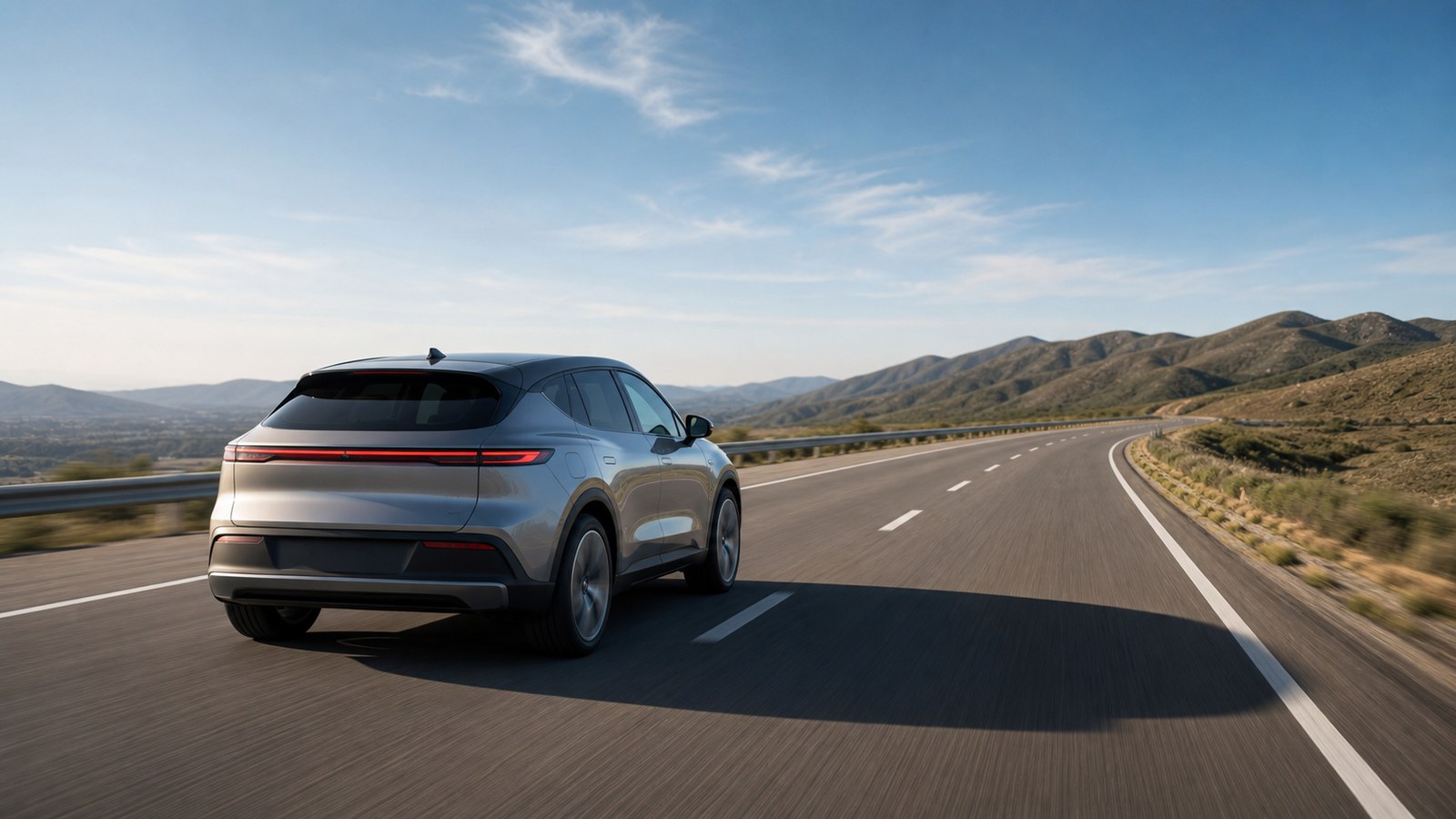
Highway speed can reduce EV efficiency quickly because aerodynamic drag rises as speed increases. A boxy EV may use far more energy at 75 mph than it does around town.
Efficient EVs often use sleek shapes, smooth underbodies, careful wheel designs, and low rolling-resistance tires to reduce waste.
For EV Efficiency, the speed and aerodynamics point works best when it is tied to a real driver routine. Daily mileage, charging access, weather, passengers, cargo, and budget often matter more than the single most impressive number in a spec sheet.
The practical check for this speed and aerodynamics discussion is simple: decide what would change the ownership experience after the first month. If the answer affects charging time, range confidence, comfort, service, cost, or resale value, it belongs in the buying decision.
That is why the speed and aerodynamics angle should be read as an ownership filter, not just background information. A useful EV article helps the reader connect technology claims to the way the vehicle will actually be charged, driven, maintained, and paid for.
Weather and Climate Control
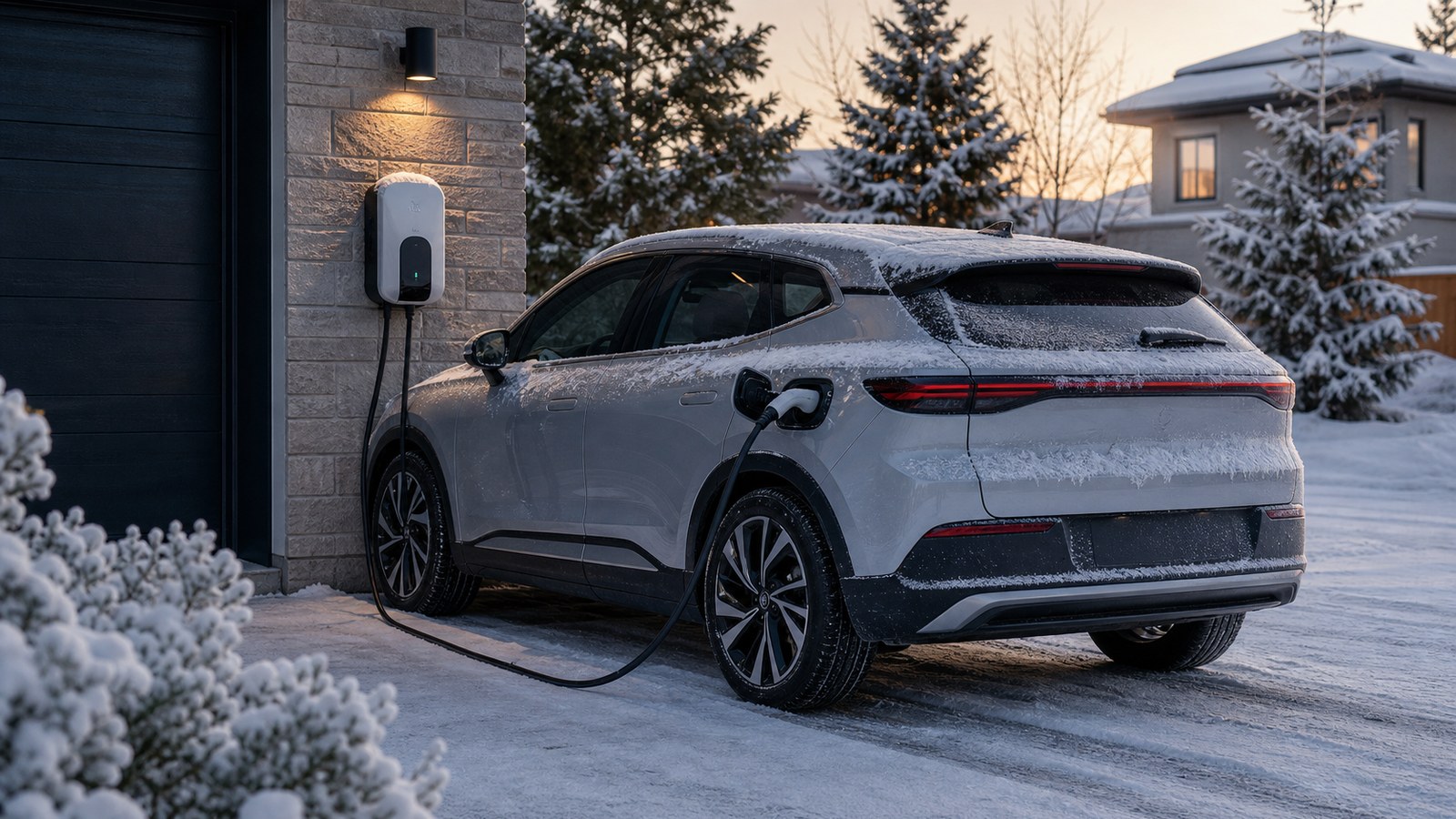
Cold weather can reduce efficiency because batteries, tires, and cabin heating all demand more energy. Heat pumps can help, but they do not erase every cold-weather penalty.
Hot weather also uses energy through air conditioning and battery cooling. Preconditioning while plugged in can reduce the impact before departure.
For EV Efficiency, the weather and climate control point works best when it is tied to a real driver routine. Daily mileage, charging access, weather, passengers, cargo, and budget often matter more than the single most impressive number in a spec sheet.
The practical check for this weather and climate control discussion is simple: decide what would change the ownership experience after the first month. If the answer affects charging time, range confidence, comfort, service, cost, or resale value, it belongs in the buying decision.
That is why the weather and climate control angle should be read as an ownership filter, not just background information. A useful EV article helps the reader connect technology claims to the way the vehicle will actually be charged, driven, maintained, and paid for.
Driving Style
Smooth acceleration, moderate highway speed, correct tire pressure, and smart regenerative braking can improve efficiency.
Aggressive driving, heavy loads, roof racks, underinflated tires, and constant high-speed travel can make a very efficient EV behave like an inefficient one.
For EV Efficiency, the driving style point works best when it is tied to a real driver routine. Daily mileage, charging access, weather, passengers, cargo, and budget often matter more than the single most impressive number in a spec sheet.
The practical check for this driving style discussion is simple: decide what would change the ownership experience after the first month. If the answer affects charging time, range confidence, comfort, service, cost, or resale value, it belongs in the buying decision.
That is why the driving style angle should be read as an ownership filter, not just background information. A useful EV article helps the reader connect technology claims to the way the vehicle will actually be charged, driven, maintained, and paid for.
The Practical Bottom Line
EV efficiency matters because it affects cost, range, charging time, and battery size. kWh per 100 miles and miles per kWh are the clearest numbers for owners.
The best efficiency comparison uses the same conditions. A compact commuter, luxury sedan, pickup, and performance SUV should not be judged as if they do the same job.
For EV Efficiency, the the practical bottom line point works best when it is tied to a real driver routine. Daily mileage, charging access, weather, passengers, cargo, and budget often matter more than the single most impressive number in a spec sheet.
The practical check for this the practical bottom line discussion is simple: decide what would change the ownership experience after the first month. If the answer affects charging time, range confidence, comfort, service, cost, or resale value, it belongs in the buying decision.
That is why the the practical bottom line angle should be read as an ownership filter, not just background information. A useful EV article helps the reader connect technology claims to the way the vehicle will actually be charged, driven, maintained, and paid for.
EV Efficiency Ownership Check
The useful way to apply EV Efficiency is to connect the topic to a real driver, not an idealized test loop. Commute length, highway speed, parking access, charging location, winter weather, passengers, cargo, and service support can change whether the same EV feels excellent or frustrating.
Buyers should confirm the exact trim and model year before trusting a general claim. Battery size, wheel package, motor layout, heat pump availability, charging hardware, software version, and adapter support can all shift the ownership result.
Charging access remains the foundation. A driver with reliable home or workplace charging can tolerate different compromises than a driver who depends on public stations for ordinary weekly use.
The financial side should be checked with the same care. Electricity rates, DC fast-charging prices, tires, insurance, registration fees, home electrical work, incentives, and depreciation all affect whether the vehicle remains a smart buy after the first month.
A strong EV decision does not need the highest number in every category. It needs a clear match between the vehicle’s strengths and the driver’s real habits.
What to Verify Before You Decide
Published EV numbers are useful starting points, but they depend on test conditions and configuration. Range, charging speed, efficiency, acceleration, and price can all change when wheels, weather, speed, payload, charger power, and trim equipment change.
That is why a careful buyer checks the owner’s manual, window sticker, current manufacturer information, charging-network access, warranty terms, and local service options before treating any article or spec sheet as the final answer.
If the vehicle still fits after those checks, the choice is stronger. If the case depends on a future software promise, an adapter that has not arrived, a charger that is often full, or a price that only exists with rare incentives, the buyer should slow down and verify the practical path.
How the Topic Fits Long-Term Ownership
Long-term EV satisfaction often comes from predictable habits. Owners who know when they charge, what range they need, how weather changes the vehicle, and where service happens usually have a calmer experience.
Software can improve that experience when it explains battery status, routes to dependable chargers, preconditions the pack, schedules charging for lower-cost hours, and gives range estimates that match reality.
The best articles make EV ownership easier to picture. They turn unfamiliar terms into decisions about parking, travel, comfort, cost, and confidence.
That final translation is the point. A useful article leaves people knowing what to look for, what to question, and how the topic affects a real electric car after the showroom visit is over.