EV Range Is a Real-World Number, Not a Promise
The distance an electric car can travel on a charge depends on more than the number printed on a window sticker. Official range estimates are useful for comparison, but real driving adds weather, speed, hills, traffic, tires, passengers, cargo, climate control, and charging habits. That is why the same EV can feel generous in city driving, modest on a cold highway trip, and perfectly predictable once the owner learns its pattern. Understanding EV range is not about finding one magic mileage figure. It is about knowing what the battery can store, how efficiently the vehicle uses that energy, and how conditions change the answer. With that mindset, range stops being a source of anxiety and becomes another planning tool, much like fuel economy in a gasoline car but with more useful feedback from the vehicle itself.
A: Sometimes, especially in mild weather and moderate driving, but many trips land above or below the estimate.
A: Higher speeds create much more aerodynamic drag, which makes the motor use more energy.
A: Normal cold-weather range loss is usually temporary and improves when temperatures rise.
A: Often yes, because speeds are lower and regenerative braking can recover some energy.
A: Not always; the best choice depends on price, charging access, trip needs, and efficiency.
A: Use more buffer for remote routes, winter weather, unreliable chargers, or unfamiliar trips.
A: They can, depending on weight, tire design, and aerodynamic drag.
A: The vehicle may be adjusting its prediction based on recent energy use.
A: Yes, towing can sharply increase energy consumption because of weight and drag.
A: Track a few regular trips and compare actual energy use with the car's estimate.
What Official Range Ratings Actually Tell You
Official EV range ratings are meant to provide a standardized comparison between vehicles. They help shoppers understand that one model is generally designed to travel farther than another under test conditions. That does not mean every driver will see the exact same distance every day. A range estimate is like a fuel-economy rating: useful, structured, and imperfect once real life gets involved.
The value of the rating is context. If one EV is rated far higher than another, it likely has either a larger battery, better efficiency, or both. But the final experience still depends on where and how the vehicle is driven. A mild suburban commute may beat the estimate. A cold interstate drive into a headwind may fall short. Neither result is a failure; it is the nature of energy use.
Battery Size Is Only Half the Story
Many people assume range is simply battery size, but efficiency matters just as much. A large battery stores more energy, yet a heavy or inefficient vehicle may use that energy quickly. A smaller, slippery, efficient EV can sometimes travel surprisingly far because it needs fewer kilowatt-hours to cover each mile.
This is why two EVs with similar battery sizes can have different range ratings. Aerodynamics, motor efficiency, tires, weight, software, thermal management, and drivetrain layout all influence energy use. Battery capacity tells you how much energy is available. Efficiency tells you how far that energy can go.
For shoppers, the best comparison is not only total range. Look at how the vehicle fits your real driving. A long-range highway commuter may value aerodynamic efficiency and fast charging. A city driver may care more about size, price, and home charging convenience. The best range number is the one that supports your life without making you pay for battery capacity you rarely use.
Speed Is One of the Biggest Range Factors
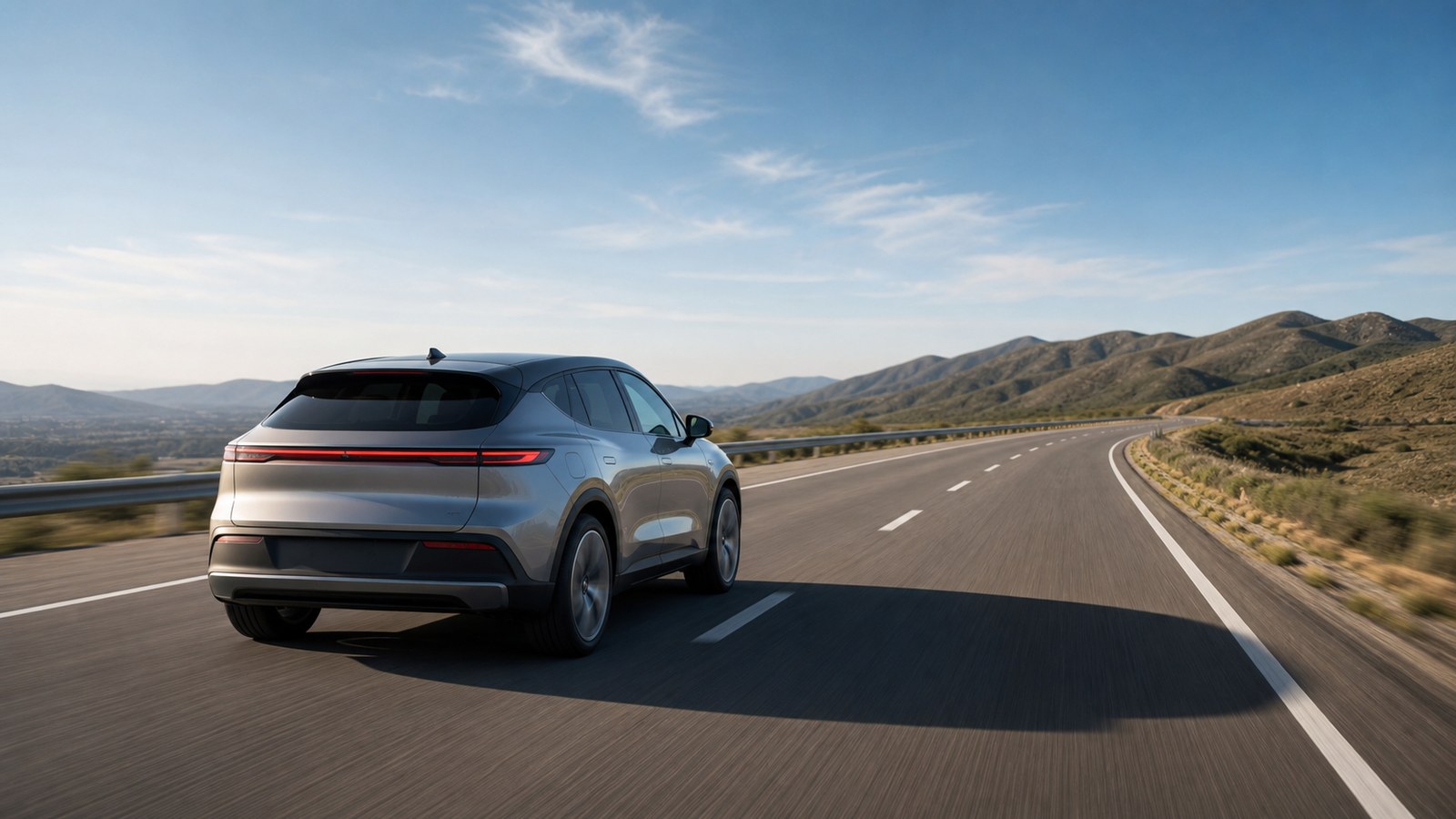
Highway speed has a major effect on EV range because aerodynamic drag rises quickly as speed increases. Pushing air out of the way takes energy, and the faster the car moves, the more energy that job requires. This is why an EV may feel extremely efficient around town but use more energy than expected during fast interstate driving.
A small reduction in cruising speed can make a meaningful difference on a long trip. That does not mean drivers need to crawl along in the slow lane. It means that driving at a reasonable steady pace often saves both energy and charging time. Sometimes arriving a few minutes later at the next charger is better than arriving earlier with a lower battery and needing a longer stop.
Weather Changes the Range Conversation
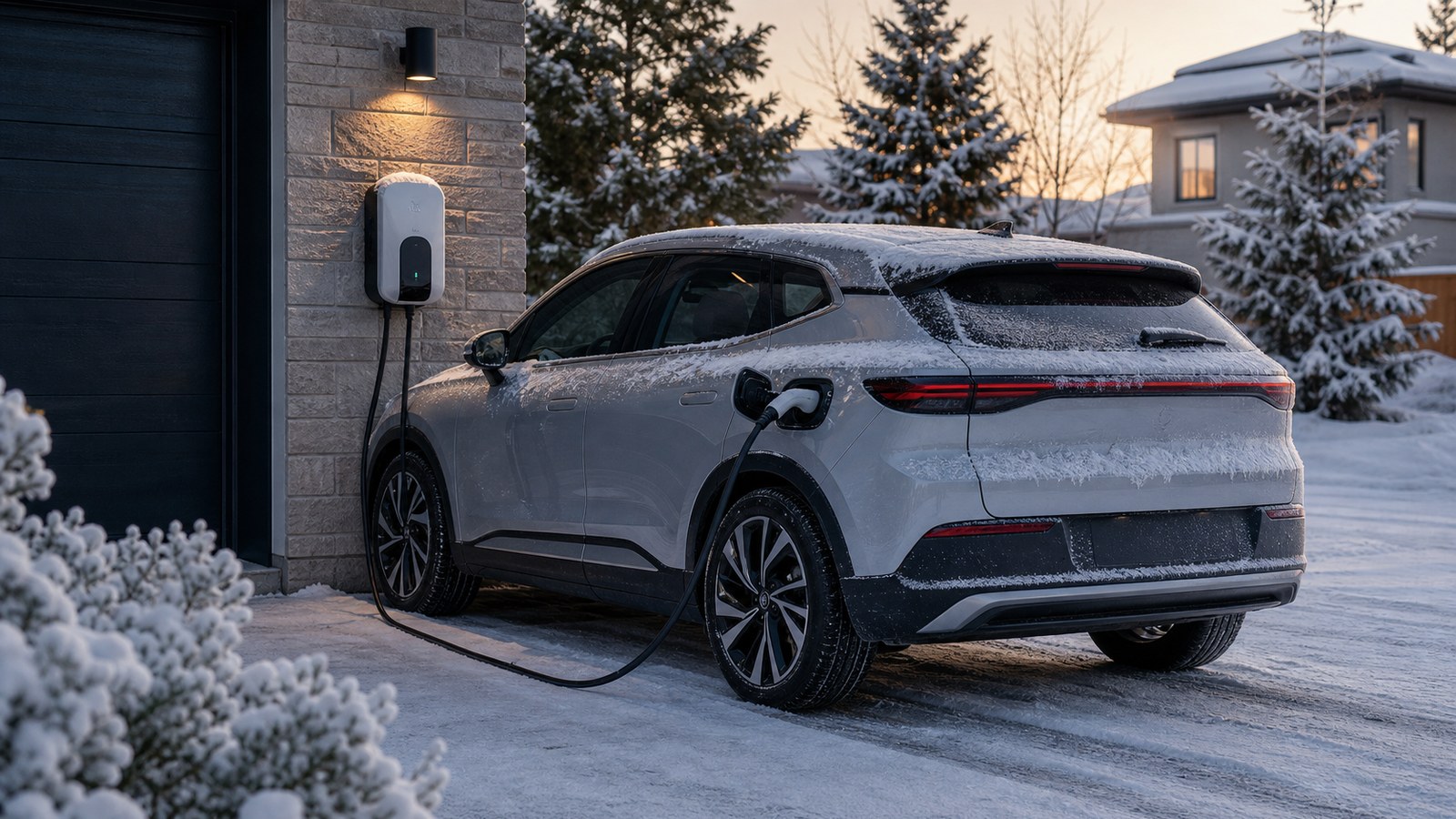
Temperature affects EV range in several ways. In cold weather, battery chemistry becomes less eager to deliver and accept energy, tires may roll less efficiently, air is denser, and cabin heat can require a lot of power. Some vehicles use heat pumps or advanced thermal systems to reduce the impact, but winter range loss is still common.
Hot weather can matter too. Air conditioning uses energy, and the battery may need cooling to stay within its preferred temperature window. The effect is often less dramatic than severe cold, but it can still show up during long summer drives, especially at high speeds.
Drivers can soften weather impacts by preconditioning the cabin while plugged in, parking in shade or shelter when possible, keeping tires properly inflated, and planning extra margin for harsh conditions. The main point is not to fear weather. It is to recognize that range is dynamic.
Terrain, Load, and Accessories
Climbing hills uses energy because the vehicle is lifting its mass against gravity. Descending can recover some energy through regenerative braking, but it does not return everything. Mountain routes therefore deserve more planning than flat routes, especially when chargers are spaced far apart.
Cargo and accessories also matter. Passengers, luggage, roof racks, bike carriers, cargo boxes, and trailers all change the energy equation. Roof-mounted gear can be especially costly at highway speed because it disturbs airflow. A vehicle that feels efficient during the week may consume far more energy when packed for vacation with gear on top.
How Regenerative Braking Helps
Regenerative braking allows an EV to recover some energy while slowing down. Instead of wasting all motion as heat through friction brakes, the motor can act as a generator and send energy back to the battery. This is one reason EVs often do well in city driving, where speeds are lower and slowing events are frequent.
Regeneration is helpful, but it is not magic. The most efficient mile is still the one that avoids unnecessary energy use in the first place. Hard acceleration followed by heavy braking will not become efficient simply because some energy is recovered. Smooth driving still matters.
Drivers sometimes overestimate regeneration because the dashboard makes recovered energy visible. The better way to view it is as a partial refund, not a free ride. It reduces waste when slowing is necessary, but it cannot return every bit of energy spent getting the vehicle up to speed.
Planning Real Trips With Confidence
Range planning becomes easier when drivers stop asking whether the car can meet an ideal estimate and start asking whether it can complete a specific route with a sensible buffer. Modern EV navigation systems can estimate arrival battery percentage, account for chargers, and sometimes prepare the battery before fast charging. Third-party route planners can also help, especially for unfamiliar trips.
A good plan includes alternatives. If a route has several reliable chargers, the driver can be flexible. If a rural stretch has only one station, arriving with extra margin is wise. Planning does not mean the EV is fragile; it means energy stops are different from gasoline stops and benefit from a little more information.
Daily driving usually requires far less thought. Most people drive a repeatable pattern, and the car spends many hours parked. Once the owner knows how much range the commute uses and how quickly home charging replaces it, range becomes routine. The dashboard estimate turns from a source of worry into a familiar gauge.
That routine can also reveal problems early. If the same trip suddenly uses much more energy under similar conditions, the driver can check tire pressure, software settings, brake behavior, and climate use before assuming the battery has changed. Familiarity turns the range display into a useful diagnostic clue.
Why Range Anxiety Fades With Repetition
Range anxiety is strongest when every number is unfamiliar. A new driver may watch the estimate constantly because they do not yet know how the car behaves on regular routes. After a few repeated drives, the pattern becomes ordinary. The same commute uses a familiar percentage, the same charger restores a familiar amount, and the same weather creates a predictable adjustment.
Confidence also comes from knowing where energy is available. Home charging changes everything because the car can recover while parked. A dependable workplace charger or nearby public Level 2 station can create similar confidence. On trips, route planning tools replace guesswork with expected arrival percentages and backup stops.
How Much Range Most Drivers Actually Need
Many shoppers focus on the longest possible range because it feels safer, but daily driving often uses a small portion of a modern EV’s battery. A long-range model can be valuable for road trips, rural travel, towing, or cold climates. For a driver with home charging and a predictable commute, however, the difference between adequate range and maximum range may not matter every day.
That does not mean range is unimportant. It means it should be matched to actual use. Paying for a battery far larger than needed can raise the purchase price and vehicle weight. Choosing too little range can make winter travel or unexpected errands annoying. The sweet spot is enough range to cover normal life easily, plus enough margin for the trips that genuinely matter.
A careful shopper should also consider charging access at home, work, and along favorite routes. A moderate-range EV with dependable charging can feel easier than a longer-range EV that relies on inconvenient stations. Range is strongest when the charging ecosystem around it supports the way the driver actually moves.
The Honest Answer to How Far an EV Can Go
An electric car can go as far as its battery, efficiency, and conditions allow. That answer may sound unsatisfying, but it is also empowering. The driver has influence. Speed, route choice, tire care, charging strategy, and cargo decisions all affect the final distance.
For most owners, the real question is not whether an EV can achieve its best possible range on every drive. It is whether the vehicle provides enough range for normal life and enough charging support for occasional travel. When those two needs are met, EV range feels less like a limitation and more like a number you learn to use intelligently.
What to Watch on a Long Highway Drive
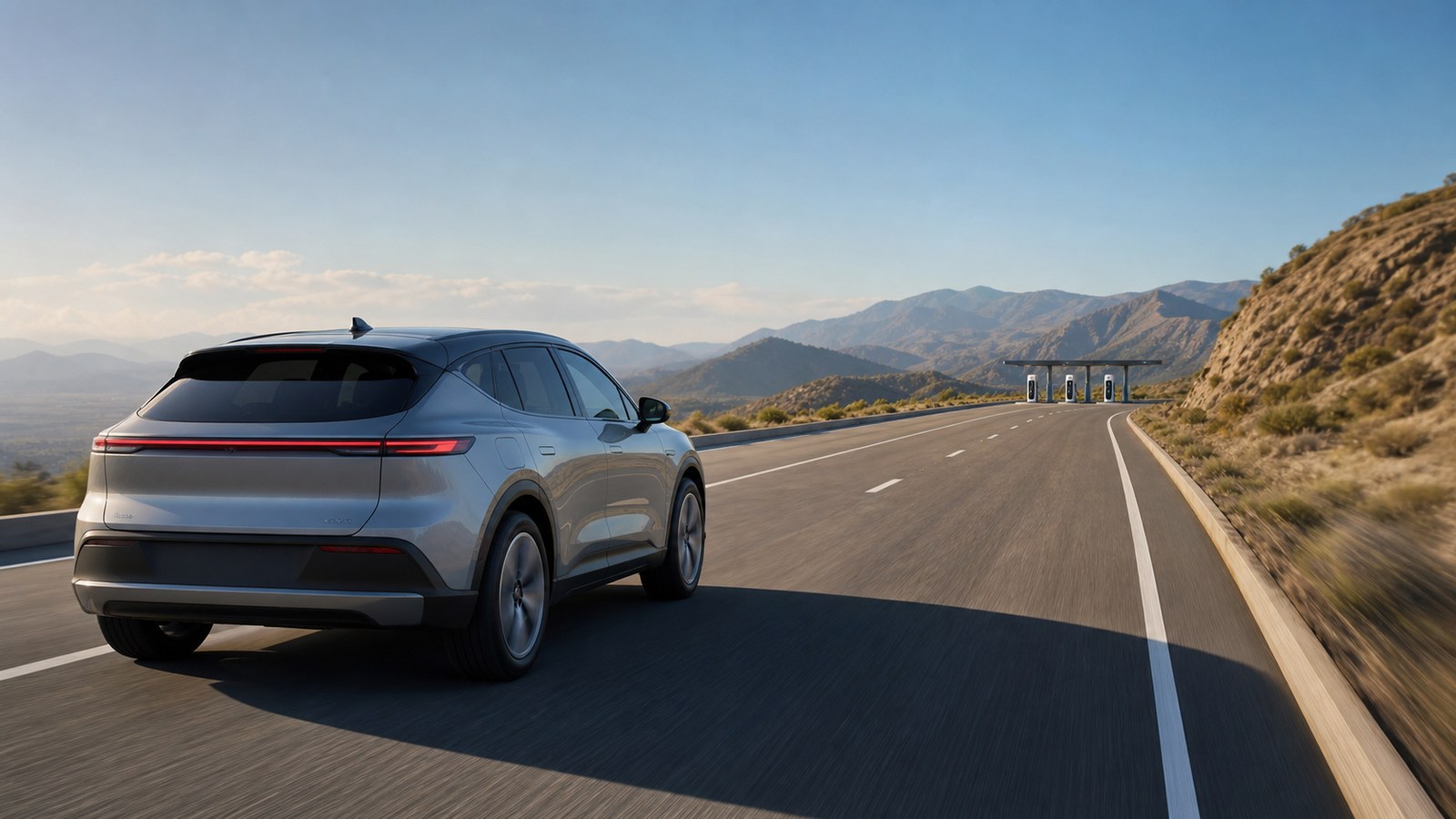
Long highway drives are where range estimates face the toughest test. Speed is steady, air resistance is high, and weather can remain a factor for hours. A driver should watch the expected arrival percentage rather than only the current range number. If the arrival estimate keeps falling, slowing slightly or choosing an earlier charging stop can protect the trip.
The best road-trip rhythm is usually a series of practical legs. Charge enough to reach the next reliable stop with margin, drive at a reasonable pace, and avoid waiting through the slowest part of the charging curve unless the route requires it. This approach can be faster than trying to make every stop produce the highest possible battery percentage.
Food, restrooms, and walking breaks can also make range planning feel less like waiting. A twenty-minute stop is easier when it happens during something the driver needed anyway. Good EV travel is not only about charger power; it is about matching charging time to human time.
How Range Shapes Vehicle Choice
Range should influence EV shopping, but it should not be the only criterion. Charging speed, efficiency, comfort, price, cargo space, reliability, and local charging access all affect ownership. A vehicle with excellent range but poor charging access for your routes may be less useful than a slightly shorter-range model supported by better stations.
Buyers should map their hardest normal use case. That might be a winter commute with no workplace charger, a monthly family trip, a rural route, or a weekend activity that involves gear and elevation. If the EV handles that case with a reasonable plan, daily use will usually be easy. Range is valuable when it solves real trips, not when it exists only as a bragging number.