NACS Matters Because Charging Compatibility Shapes EV Ownership
NACS, now standardized through SAE as J3400, is the Tesla-origin charging connector system that has become central to North American EV charging. Its importance is practical: connector access affects where drivers can charge, which adapters matter, and how simple road trips feel.
What NACS Means
NACS stands for North American Charging System. It began as Tesla’s connector and was opened for broader industry use before SAE standardization as J3400.
The connector is compact and can support AC and DC charging through the same general port design. That simplicity is one reason it became attractive to automakers and charging networks.
For NACS, the what nacs means point works best when it is tied to a real driver routine. Daily mileage, charging access, weather, passengers, cargo, and budget often matter more than the single most impressive number in a spec sheet.
The practical check for this what nacs means discussion is simple: decide what would change the ownership experience after the first month. If the answer affects charging time, range confidence, comfort, service, cost, or resale value, it belongs in the buying decision.
That is why the what nacs means angle should be read as an ownership filter, not just background information. A useful EV article helps the reader connect technology claims to the way the vehicle will actually be charged, driven, maintained, and paid for.
Why Automakers Adopted It
Automakers moved toward NACS partly because Tesla’s Supercharger network became one of the most visible and reliable fast-charging networks in North America.
For drivers, the appeal is not just the plug shape. It is access to a larger, simpler, more dependable charging experience on routes where chargers matter.
For NACS, the why automakers adopted it point works best when it is tied to a real driver routine. Daily mileage, charging access, weather, passengers, cargo, and budget often matter more than the single most impressive number in a spec sheet.
The practical check for this why automakers adopted it discussion is simple: decide what would change the ownership experience after the first month. If the answer affects charging time, range confidence, comfort, service, cost, or resale value, it belongs in the buying decision.
That is why the why automakers adopted it angle should be read as an ownership filter, not just background information. A useful EV article helps the reader connect technology claims to the way the vehicle will actually be charged, driven, maintained, and paid for.
NACS vs CCS
CCS combines AC charging heritage with extra DC fast-charging pins. It has supported many non-Tesla EVs for years. NACS uses a smaller connector and a different physical design.
The transition does not make existing CCS vehicles useless. Adapters, dual-standard stations, and new vehicle ports are part of the bridge period.
For NACS, the nacs vs ccs point works best when it is tied to a real driver routine. Daily mileage, charging access, weather, passengers, cargo, and budget often matter more than the single most impressive number in a spec sheet.
The practical check for this nacs vs ccs discussion is simple: decide what would change the ownership experience after the first month. If the answer affects charging time, range confidence, comfort, service, cost, or resale value, it belongs in the buying decision.
That is why the nacs vs ccs angle should be read as an ownership filter, not just background information. A useful EV article helps the reader connect technology claims to the way the vehicle will actually be charged, driven, maintained, and paid for.
Adapters and Transition Years
During the transition, drivers need to know whether their vehicle has a native NACS port, needs an adapter, or has limited network access. The answer can vary by brand, model year, and charging network agreement.
Adapters should be treated as safety-critical equipment. Owners should use approved adapters and follow manufacturer guidance rather than buying unknown hardware.
For NACS, the adapters and transition years point works best when it is tied to a real driver routine. Daily mileage, charging access, weather, passengers, cargo, and budget often matter more than the single most impressive number in a spec sheet.
The practical check for this adapters and transition years discussion is simple: decide what would change the ownership experience after the first month. If the answer affects charging time, range confidence, comfort, service, cost, or resale value, it belongs in the buying decision.
That is why the adapters and transition years angle should be read as an ownership filter, not just background information. A useful EV article helps the reader connect technology claims to the way the vehicle will actually be charged, driven, maintained, and paid for.
Home Charging
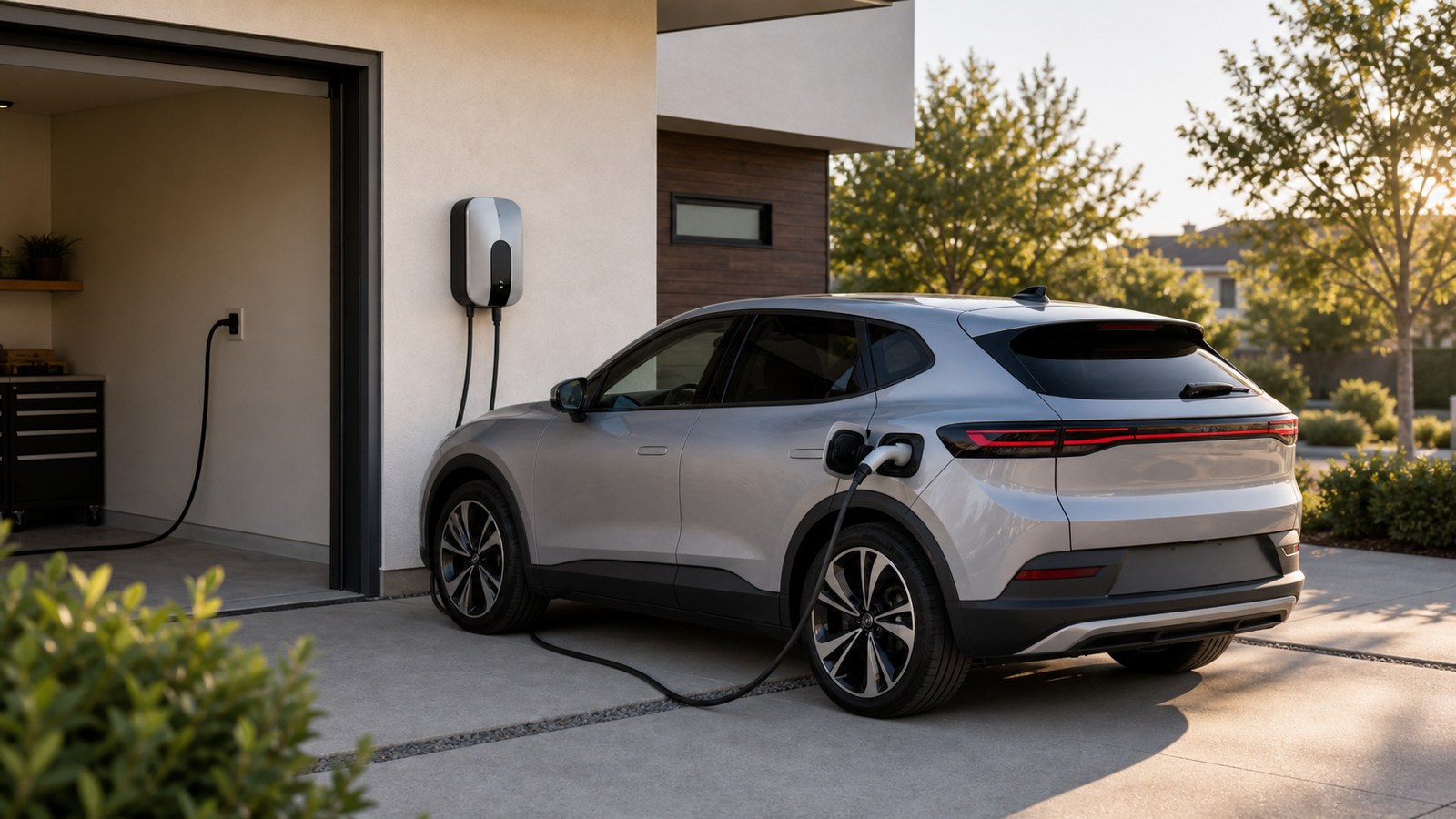
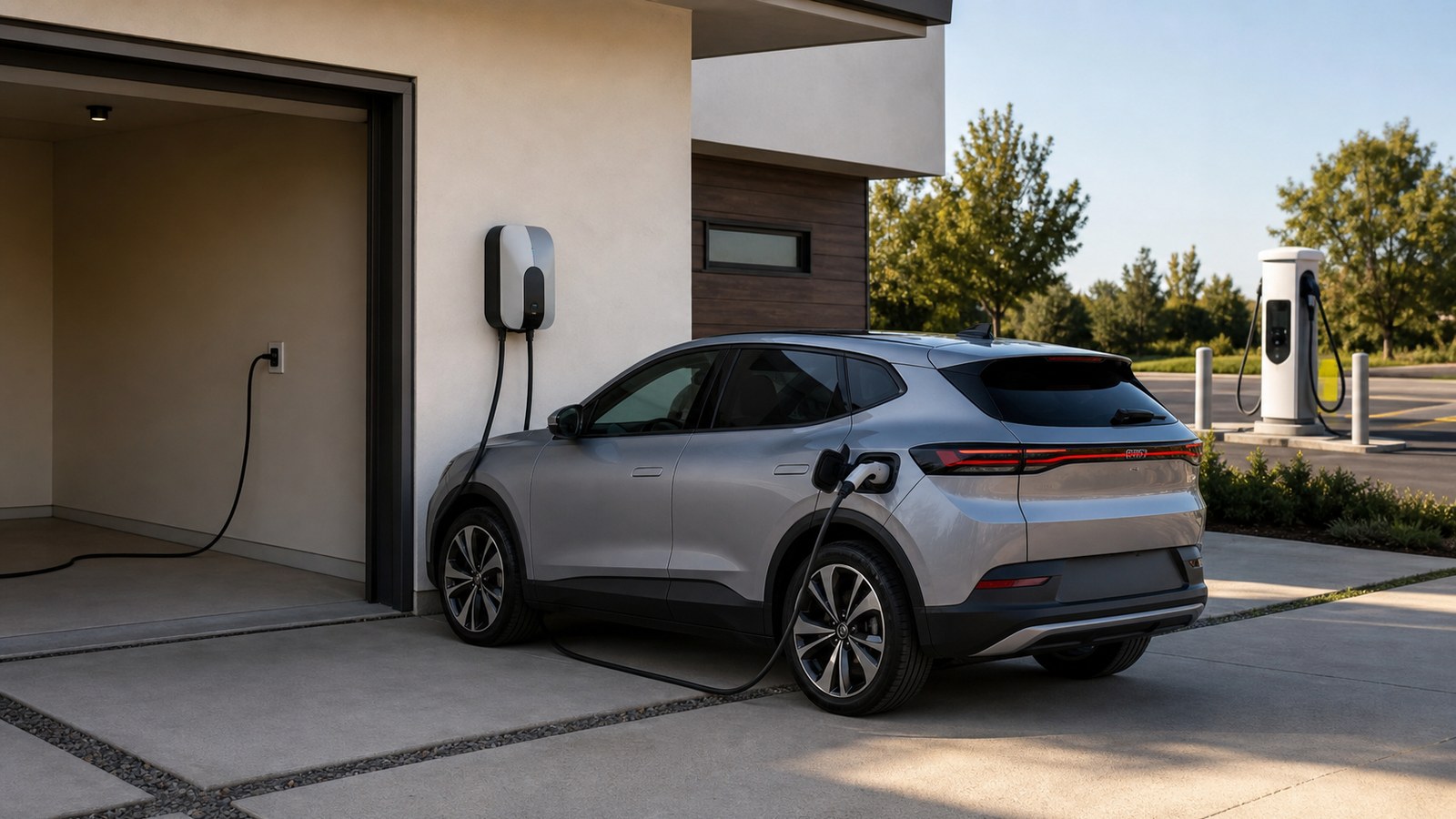
NACS also affects home charging because the vehicle’s port determines the cable or adapter needed. Many owners will still charge at home most of the time regardless of connector type.
A home charger decision should consider the current car and possible future cars. A household switching brands may care about connector flexibility.
For NACS, the home charging point works best when it is tied to a real driver routine. Daily mileage, charging access, weather, passengers, cargo, and budget often matter more than the single most impressive number in a spec sheet.
The practical check for this home charging discussion is simple: decide what would change the ownership experience after the first month. If the answer affects charging time, range confidence, comfort, service, cost, or resale value, it belongs in the buying decision.
That is why the home charging angle should be read as an ownership filter, not just background information. A useful EV article helps the reader connect technology claims to the way the vehicle will actually be charged, driven, maintained, and paid for.
Road Trips
The biggest NACS benefit appears on road trips. More compatible fast chargers can mean fewer detours, more reliable stops, and easier route planning.
The network experience still depends on charger power, stall availability, payment access, vehicle preconditioning, and whether the vehicle can use the full site capability.
For NACS, the road trips point works best when it is tied to a real driver routine. Daily mileage, charging access, weather, passengers, cargo, and budget often matter more than the single most impressive number in a spec sheet.
The practical check for this road trips discussion is simple: decide what would change the ownership experience after the first month. If the answer affects charging time, range confidence, comfort, service, cost, or resale value, it belongs in the buying decision.
That is why the road trips angle should be read as an ownership filter, not just background information. A useful EV article helps the reader connect technology claims to the way the vehicle will actually be charged, driven, maintained, and paid for.
What Buyers Should Check
Before buying an EV, shoppers should confirm the charge port, included adapters, supported networks, plug-and-charge behavior, maximum charging speed, and whether future access is promised or already active.
A vague promise of future access is not the same as working access today. Buyers should know what works at purchase.
For NACS, the what buyers should check point works best when it is tied to a real driver routine. Daily mileage, charging access, weather, passengers, cargo, and budget often matter more than the single most impressive number in a spec sheet.
The practical check for this what buyers should check discussion is simple: decide what would change the ownership experience after the first month. If the answer affects charging time, range confidence, comfort, service, cost, or resale value, it belongs in the buying decision.
That is why the what buyers should check angle should be read as an ownership filter, not just background information. A useful EV article helps the reader connect technology claims to the way the vehicle will actually be charged, driven, maintained, and paid for.
The Practical Bottom Line
NACS matters because charging convenience matters. It is not just a connector story; it is a road-trip, network-access, and ownership-confidence story.
For the next few years, the best EV buyers will pay attention to both the port on the car and the chargers on their routes. Compatibility is becoming one of the most important EV features.
For NACS, the the practical bottom line point works best when it is tied to a real driver routine. Daily mileage, charging access, weather, passengers, cargo, and budget often matter more than the single most impressive number in a spec sheet.
The practical check for this the practical bottom line discussion is simple: decide what would change the ownership experience after the first month. If the answer affects charging time, range confidence, comfort, service, cost, or resale value, it belongs in the buying decision.
That is why the the practical bottom line angle should be read as an ownership filter, not just background information. A useful EV article helps the reader connect technology claims to the way the vehicle will actually be charged, driven, maintained, and paid for.
NACS Ownership Check
The practical test for NACS is whether the information changes a real buying or ownership decision. Range, charging access, service support, weather behavior, and cost all matter more when they are tied to the way the vehicle is actually used.
Drivers should also separate today’s facts from future promises. Charging access, software support, model specs, and adapter availability can change, so the safest advice is to confirm the exact model year, trim, region, and equipment before buying.
A good EV choice should feel understandable after the first month. If the owner knows where to charge, how much range to expect, what service support exists, and which costs repeat, the technology becomes a tool instead of a source of uncertainty.
How to Use This Information Before You Decide
NACS should be checked against real routes, real parking, and real charging access. A specification that looks impressive online can feel less useful if the driver cannot charge conveniently, if winter range is tight, or if the nearest service option is inconvenient.
The best comparison starts with the weekly routine. Commuting distance, overnight parking, highway trips, weather, passengers, cargo, and budget should shape the choice before brand preference or one headline number takes over.
Public charging should be treated as a backup and road-trip tool unless the owner truly has dependable access. Home or workplace charging changes the ownership experience because the vehicle can begin most days with enough range already available.
It also helps to review the exact trim, not just the model name. Wheel size, battery option, software package, charging hardware, heat pump availability, towing equipment, and driver-assistance features can change the way an EV behaves after purchase.
Finally, EV ownership is easier when expectations are specific. The vehicle does not need to be perfect in every category. It needs to match the routes, charging habits, climate, space needs, and costs that define the owner’s real life.
Questions Worth Asking at the Dealer or Before Ordering
Before making a decision around NACS, ask what is included today and what depends on a later software update, adapter shipment, charging-network agreement, or model-year change. Clear answers matter because EV features often sit at the intersection of hardware, software, and infrastructure.
Owners should also ask how the vehicle behaves when conditions are imperfect. Cold weather, full cabins, highway speeds, aging tires, heavy accessory use, and repeated fast charging can all change the result from the optimistic number shown in a brochure.
The strongest answer is usually specific rather than dramatic. A good EV plan explains where the car charges, how quickly it recovers useful range, who services it, what warranty coverage applies, and what the owner should do when the first unexpected trip appears.