Most EV Myths Start With an Outdated Assumption
Electric vehicle myths often survive because they contain a piece of old truth, a narrow example, or a misunderstanding that gets repeated until it sounds universal. Early EVs had shorter ranges, public charging was thinner, and many shoppers had little experience with battery warranties or home charging. The market has changed, but the myths did not all retire on schedule. A useful fact check does not pretend EVs are perfect for every driver. It separates real limitations from recycled claims, so shoppers and owners can make decisions based on how electric cars actually work today.
A: No. Winter reduces range and can slow charging, but planning and preconditioning make EVs usable in cold climates.
A: Managed overnight charging and utility planning help spread demand, though local upgrades still matter.
A: No. They avoid many engine services but still need tire, brake, fluid, filter, and inspection care.
A: No. Many owners do most charging at home or work.
A: No. Fires are serious but uncommon, and risk should be judged with evidence.
A: Rated range is standardized; real range changes with speed, weather, terrain, and tires.
A: Some are expensive, while others make sense through used pricing, incentives, and low-cost charging.
A: Yes, but they need a reliable charging plan before buying.
A: No. Most age gradually, and warranties cover many years and miles.
A: That one ownership story applies to every driver, climate, vehicle, and charging setup.
Myth: EVs Do Not Have Enough Range
Range is not one universal number. A driver with a short commute, home charging, and predictable errands may use a small portion of the battery each day, while a rural highway driver may need more capacity and better charging access. Rated range is a planning reference, not a guarantee for every road, speed, temperature, or tire.
The honest fact is that range suitability depends on the route. Many modern EVs have more than enough daily range, but some use cases still need careful model choice. The myth fails because it treats every driver as if they take a winter road trip every morning.
Myth: Charging Takes Too Long
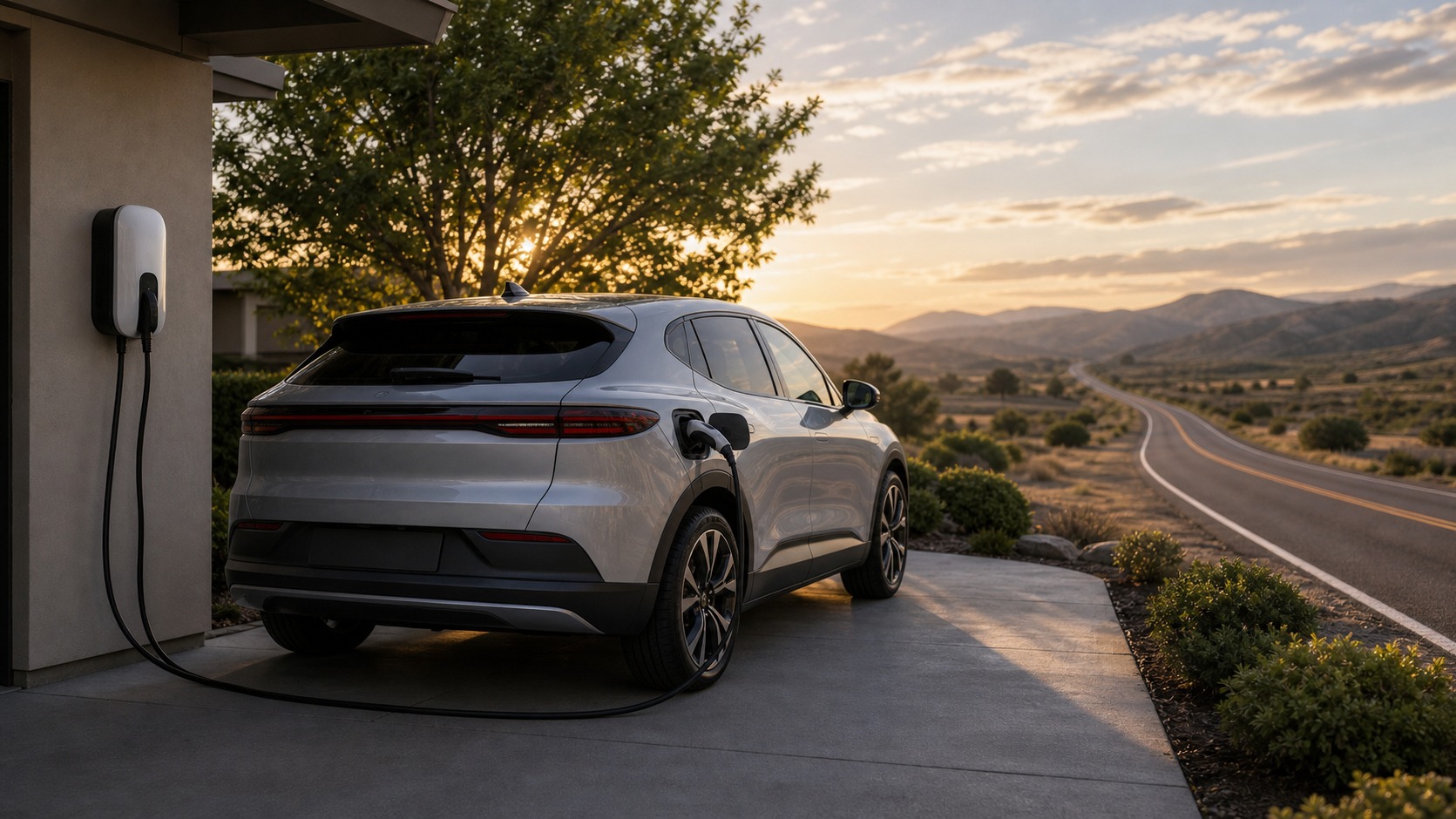
Charging feels slow only when it is judged like gasoline refueling. EV ownership often works differently because the car charges during parked time. A Level 2 charger at home, work, or a hotel can add useful range while the driver sleeps, works, or eats. The active waiting time can be much lower than the raw charging duration suggests.
Road trips are different. DC fast charging still takes longer than filling a tank, and station reliability matters. The fact-based view is that daily charging can be easier than gas stops, while long-distance travel needs planning.
Range anxiety also fades with experience because drivers learn their own patterns. A new owner may watch every percentage point during the first week, while an experienced owner knows how the car behaves on familiar roads. That lived evidence is more useful than a blanket claim that EVs either solve or fail every range problem.
Myth: Batteries Fail After a Few Years
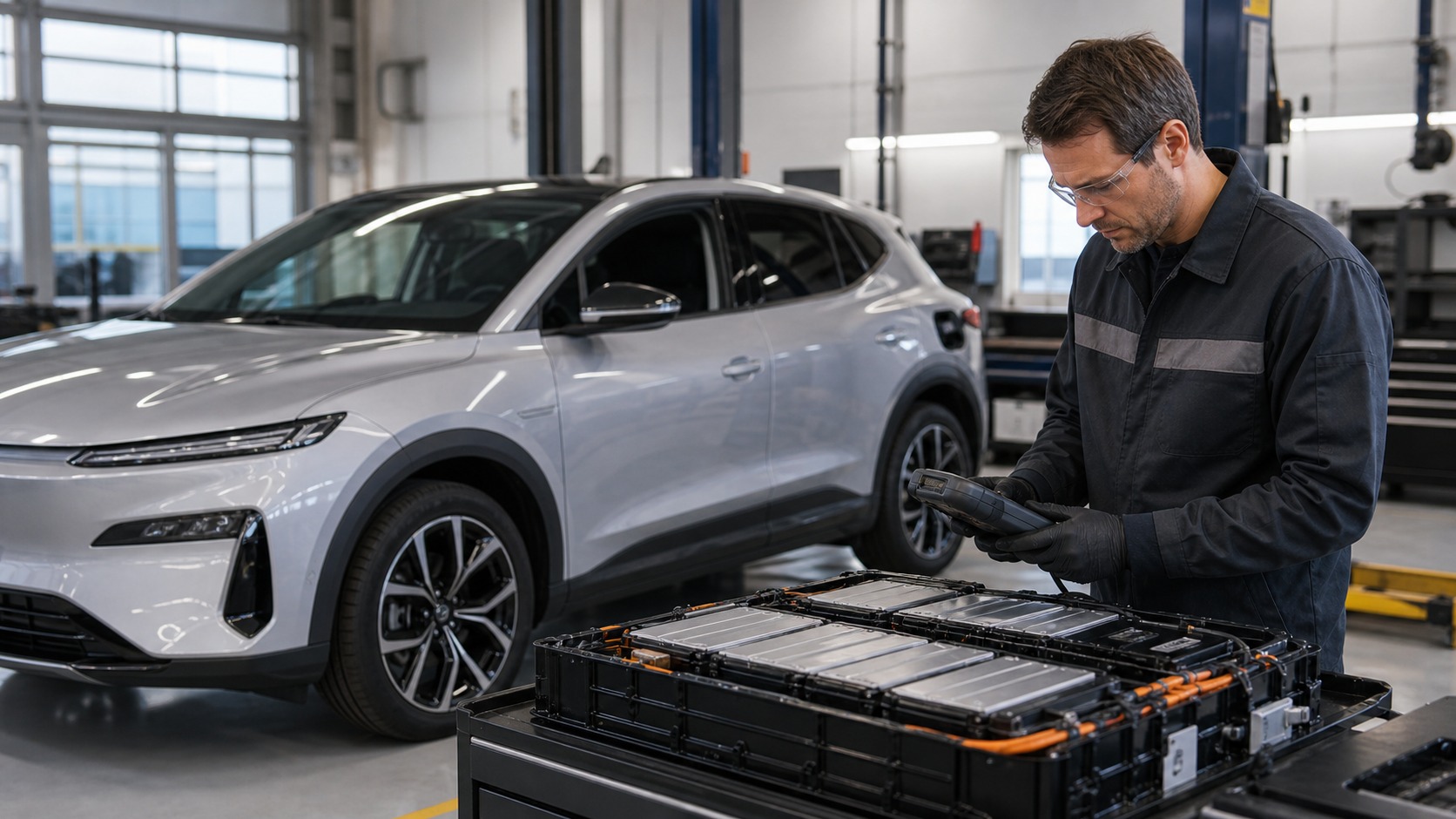
Battery packs degrade, but they do not usually expire on a short schedule. Modern EVs use cooling, buffers, battery management systems, charging limits, and long warranties. The common ownership pattern is gradual capacity loss over many years rather than routine full-pack replacement. A more careful view separates ordinary capacity loss from true failure, because a battery can lose some range and still serve the driver well for years. That distinction changes the financial picture and keeps shoppers from treating every used EV as if it is one repair invoice away from disaster.
Failures can happen, and damage or defects can be expensive. That makes inspection, warranty terms, and service records important. It does not prove that every EV buyer should expect a battery replacement soon after purchase.
Myth: EVs Are Always Cheap to Own
Some EVs are inexpensive to run because home electricity is cheap, maintenance is reduced, and incentives help with purchase price. Others are costly because insurance, depreciation, tires, public charging, or luxury pricing outweigh energy savings. The truth is not automatic savings; it is total-cost math.
A buyer should calculate with local electricity rates, annual mileage, charger installation, insurance quotes, tire costs, and resale expectations. That is more work than repeating a slogan, but it produces a better answer.
The charging-time myth also ignores the difference between active time and parked time. A car that charges for six hours while the owner sleeps has not taken six hours out of the owner’s day. That is the central ownership difference many gasoline comparisons miss.
Myth: EVs Are Always Expensive to Own
The opposite claim is also too broad. A used EV with a healthy battery, low-cost home charging, and a modest commute can be very affordable. High-mileage drivers may benefit strongly from lower energy cost. Workplace charging can improve the case even more. The better comparison uses similar vehicles, real insurance quotes, local electricity prices, expected mileage, and likely resale value. Some EVs lose the cost argument, but others win it clearly when the owner can charge cheaply and avoid frequent gasoline-vehicle service.
The mistake is treating purchase price as the whole story. The full ownership picture includes energy, maintenance, incentives, repairs, insurance, fees, and depreciation.
Myth: EVs Are Dangerous in Rain or Car Washes
EVs are designed to operate in normal rain, puddles, washing, and outdoor charging conditions. High-voltage systems are sealed, monitored, and isolated. Owners should still avoid deep flooding and damaged charging hardware, but ordinary wet weather is not a reason to fear the vehicle. Normal wet-weather use is part of the engineering target, while deep flooding and damaged charging equipment are different hazards. Owners need that distinction so they can drive confidently in rain while still treating storm damage with appropriate caution.
The useful distinction is between normal water exposure and abnormal submersion or damage. A flood-exposed EV should be inspected before charging. A properly functioning EV in rain is doing what it was designed to do.
Battery myths are especially powerful because replacement prices sound dramatic. The more useful question is how often replacements occur in normal ownership and what protections exist. Warranties, diagnostics, and service records tell that story better than isolated anecdotes.
Myth: EVs Are Zero Maintenance
EVs reduce some maintenance but do not remove maintenance. Tires, brake fluid, coolant checks, cabin filters, wipers, suspension, alignments, software, and inspections still matter. Regenerative braking can reduce brake wear, but brakes do not disappear from the car. A driver who understands the remaining maintenance items is more likely to enjoy the reduced service load without neglecting the car. Tire rotations, brake-fluid checks, cabin filters, coolant inspections, and software updates still protect value and reliability.
This myth can hurt owners because it encourages neglect. The better message is that EV maintenance is different and often simpler, not nonexistent.
Myth: The Grid Cannot Handle Any EV Growth
The electric grid is not a single frozen system. Utilities plan upgrades, charging can be shifted to off-peak hours, and many cars sit plugged in long enough to charge flexibly. The challenge is real, especially in local neighborhoods and fast-charging corridors, but it is not as simple as every EV plugging in at the same minute.
Smart charging, time-of-use rates, workplace charging, and managed fleet charging can reduce stress. Grid planning is part of EV adoption, not proof that EVs cannot scale.
The cost debate gets distorted when people compare unlike vehicles. A luxury EV should not be used to prove all EVs are unaffordable, and a discounted commuter EV should not be used to prove every EV is cheap. Fair comparisons match size, features, mileage, and charging access.
Myth: EVs Are Perfect for Everyone
Some myths come from EV critics, but one comes from enthusiasts: the idea that every driver should switch immediately. Charging access, budget, towing, climate, routes, parking, and vehicle availability all matter. For some people, a hybrid or efficient gasoline vehicle remains more practical today. That honesty makes EV advice stronger rather than weaker. A recommendation that accounts for apartments, towing, rural routes, budget, and climate is more useful than a blanket claim that electric driving is effortless for every household.
That does not weaken the case for EVs. It makes the recommendation more credible. The right EV choice starts with the driver’s life, not with a universal argument.
The Fact-Based Way to Shop
The best way to separate fact from fiction is to test claims against your own use. Where will the car charge? How many miles do you drive? What happens in winter? How often do you road-trip? What does insurance cost? Which chargers exist on your actual routes?
A good EV decision is built from evidence. Myths flatten the subject into fear or hype. Facts let drivers see where electric ownership is easy, where it needs planning, and where another vehicle may still be the better fit.
Wet-weather fears usually come from misunderstanding high voltage. EVs are built with sealed systems and monitoring, but that does not mean owners should ignore flood damage or broken charging equipment. The fact-based answer allows normal rain while taking abnormal exposure seriously.
Why Myths Travel Faster Than Nuance
Simple claims are easier to repeat than conditional answers. Saying EVs cannot road-trip is easier than explaining route planning, charging curves, winter buffers, and station reliability. Saying EVs are free to maintain is easier than explaining tires, brake fluid, filters, and inspections. Myths thrive because they remove the details where real decisions happen.
The Better Question for Every Claim
When a claim sounds extreme, ask what conditions would make it true. EVs can be inconvenient without home charging. Some public chargers are unreliable. Some models depreciate quickly. Some drivers tow or travel in ways that demand careful planning. Those truths do not prove the broad myth; they define the use case.
That question works in the positive direction too. EVs can be cheap to run, quiet, quick, low-maintenance, and convenient. But those benefits depend on the vehicle and the owner. Conditions matter.
A Practical Fact-Checking Habit
Drivers do not need to win every EV argument. They need to know whether an EV fits their life. Check local charging, get an insurance quote, compare real range needs, read warranty terms, and test the car on roads that resemble normal driving. That process cuts through both fear and hype.
The result may be a confident EV purchase, a decision to wait, or a choice to buy a hybrid instead. Any of those can be reasonable when based on facts.
The best EV conversation is not about defending a side. It is about matching technology to daily life with clear eyes.
How to Spot a Weak EV Claim
Weak EV claims usually use words like always, never, impossible, or guaranteed. Real ownership depends on conditions. A claim that ignores charging access, climate, vehicle type, mileage, and budget is probably simplifying too much. That does not mean the claim is useless, but it means it needs context before it becomes a decision.
Where Facts Help Most
Facts are most useful before money changes hands. A shopper who checks charging routes, home electrical options, insurance, warranty terms, and realistic range has already avoided many myth-driven mistakes. Those checks turn general EV arguments into personal evidence, which is exactly what a shopper needs before choosing a vehicle.
Owners benefit too. Understanding cold weather, tire pressure, charging taper, and maintenance prevents normal EV behavior from feeling like a problem.
The Balanced EV View
EVs are neither miracle machines nor fragile experiments. They are vehicles with strengths, tradeoffs, and use cases. For many drivers they are convenient, quiet, inexpensive to run, and easy to charge. For others, the fit still needs work. The balanced view also makes room for improvement as charging networks, batteries, and prices continue to change.
The fact-based view leaves room for both outcomes. It lets people choose an EV with confidence or wait without feeling misled.
That is the real value of debunking myths. It clears enough noise for the practical answer to appear.
That standard is useful for every EV claim, positive or negative.