EV Battery Replacement Is Usually Not a Regular Maintenance Item
The idea that EV batteries need to be replaced every few years is one of the most persistent electric-car myths. It sounds believable because people are used to phone and laptop batteries fading after heavy use, but a vehicle battery is engineered, cooled, monitored, and warrantied very differently. EV batteries can degrade over time, and replacement is possible after damage, defects, or unusual aging. That does not mean most owners should budget for a full pack swap every few years. For typical drivers, the more realistic issue is gradual capacity loss over many years, not sudden routine replacement.
A: No. Most are engineered for long service life, with gradual degradation being more common than scheduled replacement.
A: It means the battery slowly holds less usable energy as it ages and cycles.
A: No. A degraded battery may still work normally with less range.
A: Yes, but early failure is usually tied to defects, damage, or unusual conditions rather than ordinary use.
A: Many run for several years and substantial mileage, but exact terms vary by vehicle and market.
A: Occasional fast charging is expected; extreme heat, constant high stress, and poor habits matter more.
A: They should inspect battery condition, warranty, and records rather than assume every used EV needs a pack.
A: Sometimes modules or components can be serviced, depending on design and manufacturer policy.
A: Usually no. Winter range loss is often temporary and related to temperature and energy use.
A: Follow charging guidance, complete recalls, and investigate warnings early.
Why the Myth Persists
The battery-replacement myth survives because it blends a small truth with a large exaggeration. EV batteries do age, and replacement can be expensive when it is truly needed. At the same time, modern vehicle packs are not consumer-electronics batteries scaled up without protection. They are built with cooling, buffers, monitoring, crash protection, software limits, and warranty support.
Stories about rare failures travel faster than ordinary ownership. A dramatic repair invoice is more memorable than thousands of cars quietly losing a small amount of range over many years. That imbalance can make a normal aging process sound like an inevitable catastrophe.
What Battery Degradation Actually Means
Battery degradation means the pack gradually stores less usable energy than it did when new. The car may still drive, charge, and perform normally, but the maximum range can shrink. A vehicle that once covered a comfortable commute may still cover it easily years later, while a driver who needs every mile of rated range may notice the loss sooner.
Degradation is influenced by chemistry, temperature, mileage, charging patterns, software, and time. It is not a single clock that expires after a few calendar years. Two identical EVs can age differently if one lives in extreme heat, fast charges constantly, and sits full for long periods while the other has gentler conditions.
The practical problem is that battery conversations often skip the middle ground. A battery can lose some capacity and still be perfectly useful. It can need a software update or diagnostic check without needing a full pack. Owners make better decisions when they separate aging, repair, warranty action, and catastrophic failure into different categories.
Why Vehicle Batteries Last Longer Than Phone Batteries
Phones are small, hot, heavily cycled, and often charged to full every day. EV packs have more room for thermal management, more sophisticated monitoring, and protective buffers that keep owners from using the entire chemical capacity. That does not make them immortal, but it changes the aging pattern.
The car also manages charging and discharging more carefully than most portable devices. It can limit power, condition the battery, taper charging, and warn the driver when a fault appears. Those systems are part of the reason routine battery replacement is not treated like a scheduled maintenance event.
When Replacement Becomes Possible
Battery replacement becomes realistic after severe physical damage, flood exposure, manufacturing defects, unresolved faults, or degradation that falls below warranty thresholds. It can also happen after very high mileage or many years of use. Those cases matter, but they are not the same as saying every owner should expect a pack swap every few years.
In some situations, the repair may involve components, modules, cooling hardware, contactors, or electronics rather than the entire battery pack. The exact answer depends on vehicle design, parts availability, manufacturer policy, and repair economics.
Capacity loss also feels different depending on the original range. A small loss in a short-range EV may change trip planning, while the same percentage loss in a larger-battery vehicle may barely affect daily life. That is why battery health should be judged against the owner’s real driving needs, not against a perfect new-car number.
What Warranties Really Tell You
Battery warranties are useful because manufacturers know the pack is central to EV value. Many warranties cover defects for a defined period and mileage, and some include capacity-retention terms. Those terms are important because they recognize that some degradation is normal while excessive loss may qualify for action.
Owners should read the warranty before there is a problem. Coverage may not apply to crash damage, flooding, misuse, improper repairs, or ignored warnings. A warranty is not a promise that the battery will never age; it is a contract describing what level of failure or capacity loss the manufacturer will address.
How Charging Habits Affect Confidence
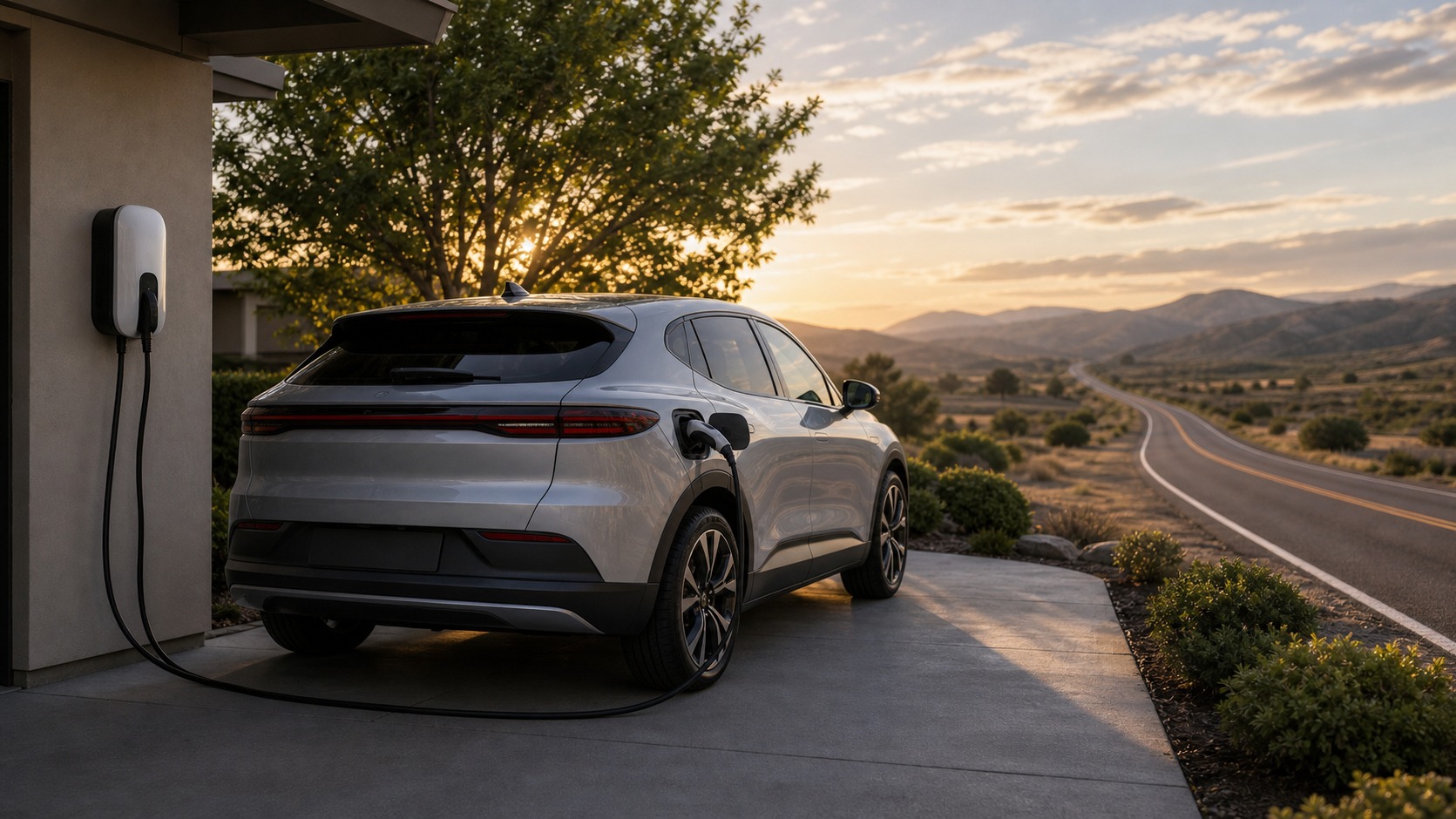
Good charging habits are simple rather than obsessive. Set a daily charge limit that fits the vehicle’s chemistry and manufacturer guidance. Use fast charging when it helps, especially on trips, but do not rely on it for every ordinary session if convenient home or workplace charging is available. Avoid leaving the car at a very high state of charge for long periods when the manual discourages it.
Preconditioning is also worth using. When the car prepares the battery for a fast charger, it can improve speed and reduce stress. Software updates and recalls should be completed because they may refine battery management over time.
The comparison with phones also ignores how people use cars. A phone may be charged to full, drained hard, warmed in pockets, and replaced cheaply. An EV pack is expensive enough that the whole vehicle is designed around protecting it. That protection is why simple consumer-electronics assumptions lead buyers in the wrong direction.
How to Judge a Used EV
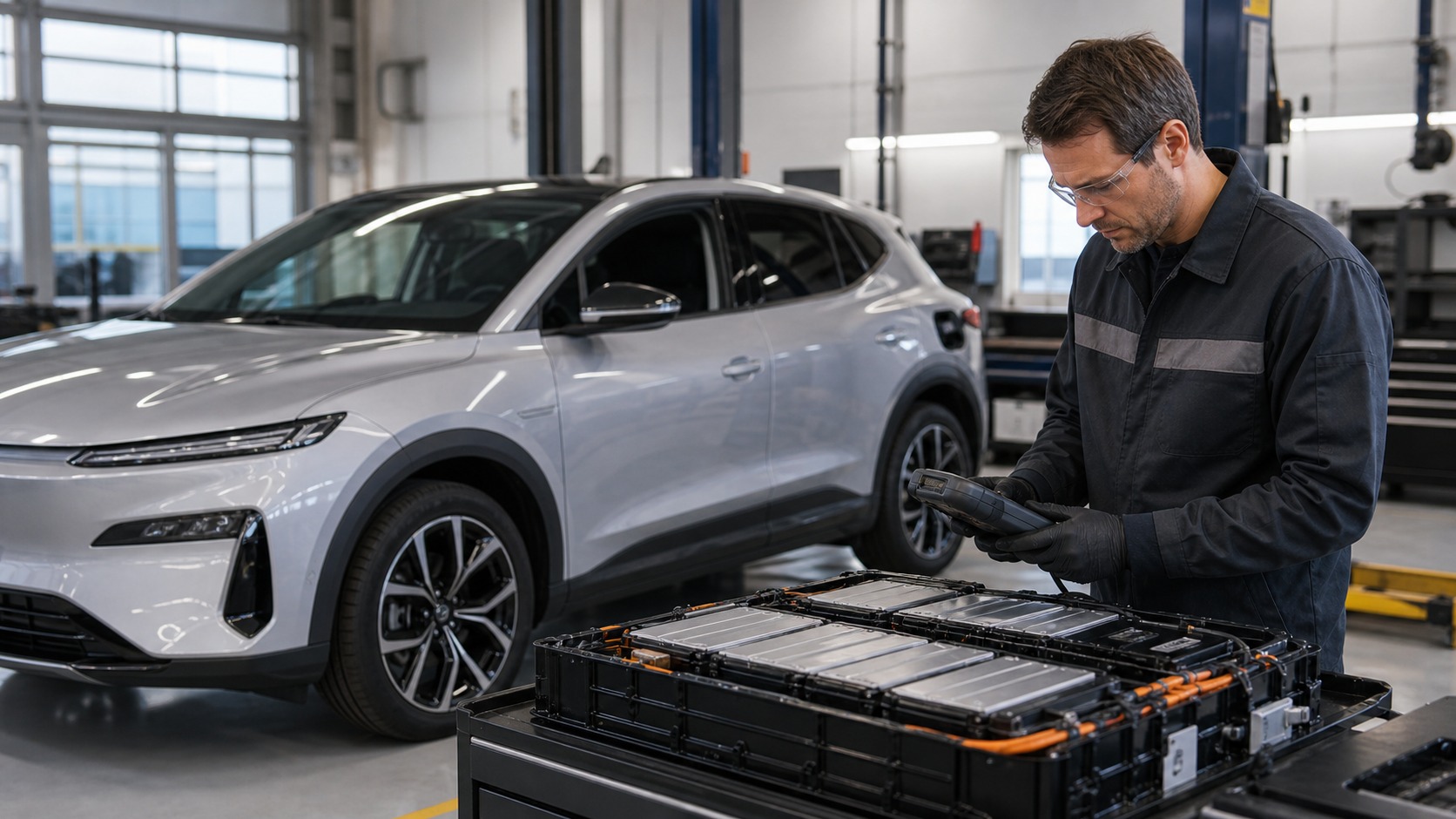
Used EV shoppers should look for evidence, not folklore. Remaining battery warranty, recall completion, service records, visible underbody condition, charging behavior, and a professional inspection are more useful than a broad fear of battery replacement. Dashboard range can help, but it is affected by recent driving, weather, tires, and settings.
A strong used EV may have some normal degradation and still be an excellent value. A suspicious used EV may look clean but have warning history, flood exposure, or poorly documented repairs. The difference is found through inspection and records, not assumptions.
What Owners Should Watch
Owners should pay attention to repeated battery warnings, charging interruptions, sudden unexplained range loss, unusual heat, or symptoms after impacts and flooding. Those signs do not automatically mean the pack needs replacement, but they do mean the vehicle deserves qualified diagnosis.
Normal seasonal changes are different. Cold weather range loss, highway efficiency drops, tire-pressure changes, and heavy climate use can all reduce range without indicating battery failure. Learning those patterns keeps owners from confusing ordinary conditions with permanent damage.
A replacement decision is usually economic as well as technical. If a pack is damaged, insurers, manufacturers, repair networks, and parts availability may all shape the outcome. In some cases the vehicle is repaired; in others, replacement is not financially sensible. That complexity is very different from scheduled replacement every few years.
The Practical Answer
EV batteries do not usually need replacement every few years. They do age, and replacement is possible in specific circumstances, but most owners should think in terms of long-term capacity management rather than scheduled pack swaps. The best plan is to buy a vehicle with a suitable warranty, follow charging guidance, complete recalls, and investigate warning signs early.
That answer is less dramatic than the myth, but it is much more useful. A battery is the heart of an EV, and it deserves respect. It does not deserve panic every time someone repeats a story from a worst-case repair bill.
Battery Health Is a Range of Conditions
Battery health is not a pass-or-fail switch. A pack can be excellent, normal for its age, somewhat degraded, repairable, or truly failing. Those distinctions matter because they lead to different decisions. A healthy used EV may be a smart buy, while a vehicle with unexplained warnings deserves caution even if its dashboard range looks acceptable.
Why Panic Costs Money
Battery panic can push shoppers away from good vehicles or make owners chase unnecessary repairs. The better habit is to gather evidence: warranty terms, diagnostic results, service history, recall records, and real range under known conditions. Evidence turns a scary topic into an ownership question that can be answered.
That evidence-based approach also helps sellers. A used EV with documented battery condition is easier to trust than one sold only with reassurance. Battery confidence is built through records, not slogans.
A Realistic Ownership View
A realistic owner expects some aging, protects the pack from avoidable abuse, and treats warnings seriously. They do not assume the battery is disposable, and they do not assume it is magical. They understand that a modern EV battery is a durable system with limits, safeguards, and a long service horizon.
That view is the most useful answer to the myth. EV batteries can need replacement, but not on the short routine schedule people often imagine. Most owners are managing long-term health, not waiting for a countdown clock to expire.
The best question is not whether every EV battery lasts forever. It is whether the specific vehicle, warranty, history, and use case make sense for the driver. That is a much better standard than fear.
How Owners Can Talk About Battery Risk
A useful battery conversation should include probability, warranty, use case, and inspection. It should not stop at the price of a worst-case replacement. That price matters, but it is only one part of the risk picture. A driver who buys a suitable EV, follows guidance, and keeps records is not facing the same exposure as a neglected, damaged, undocumented vehicle.
What the Myth Gets Backward
The myth treats replacement as the normal plan and long battery life as the exception. Real ownership is usually the reverse. Most packs are expected to serve for many years, while replacement is tied to specific failures, damage, or unusual degradation. That is why the myth is expensive even when no repair happens: it can make a shopper overestimate risk, undervalue a healthy used EV, or ignore the practical evidence that should guide the decision.
That reversal matters because it changes how shoppers budget. They should plan for tires, insurance, charging, fees, and normal maintenance before assuming a giant battery bill is waiting around the corner.
The Sensible Final Word
EV batteries are expensive, important, and worth understanding. They are also more durable than the short-replacement myth suggests. A careful buyer should respect battery health without letting fear erase the evidence. A sensible buyer respects battery cost while also recognizing that durability, warranty coverage, and diagnostics exist for a reason. The goal is neither blind trust nor fear; it is informed ownership.
The most practical stance is simple: check the warranty, inspect used vehicles carefully, follow charging guidance, complete recalls, and respond to warnings. Those habits do more for ownership confidence than repeating a myth.
For most drivers, the battery is not a short-term consumable. It is a long-life system that slowly ages, needs intelligent care, and usually lasts far beyond the few-years replacement story.
Battery replacement anxiety is understandable because the pack is valuable, but the ownership decision should still be based on likelihood, condition, coverage, and use. That calmer framework helps drivers protect the battery without treating normal aging as a crisis.