Level 2 Charging Fits the Way Cars Actually Park
Level 2 EV charging is often called the sweet spot because it is fast enough for everyday driving but practical enough for homes, workplaces, hotels, and public parking areas. It does not try to replace DC fast charging for highway travel, and it does not rely on the very slow pace of a household outlet. Instead, Level 2 works with the time a vehicle already spends parked. Most cars sit for many hours overnight or during a workday, and Level 2 charging turns that idle time into useful range. For many EV owners, this is the charging level that makes electric driving feel normal: plug in, walk away, and return to a car that is ready for the next day.
A: It recovers useful range much faster while still fitting normal parked time.
A: No, DC fast charging is faster, but Level 2 is usually more practical for daily use.
A: Many full EV owners benefit from it, though low-mileage drivers may manage without it.
A: Yes, but installation or access usually requires property approval.
A: Enough to cover daily driving safely within the home's electrical capacity.
A: No, but it can help with scheduling, tracking, and utility-rate plans.
A: Yes, with scheduling, load sharing, or the right electrical setup.
A: Normal Level 2 charging is expected use when done with proper equipment.
A: Places where the car sits for hours, such as work, hotels, garages, or events.
A: It balances speed, cost, installation practicality, and daily convenience.
What Level 2 Charging Means
Level 2 charging uses a higher-voltage AC power source than a regular household outlet. The charging equipment supplies power to the vehicle, and the car’s onboard charger converts that AC power into DC energy for the battery. The exact speed depends on the circuit, charger, and vehicle.
This is why two Level 2 setups can perform differently. One home may have a modest circuit that still covers a commute overnight. Another may have a stronger circuit that recovers more range in less time. The label tells you the category, but the installation determines the real experience.
For most drivers, the important question is not the maximum possible rate. It is whether the car can recover normal daily range during normal parked hours. If it can, Level 2 has done its job.
Why It Beats Outlet Charging for Many Owners
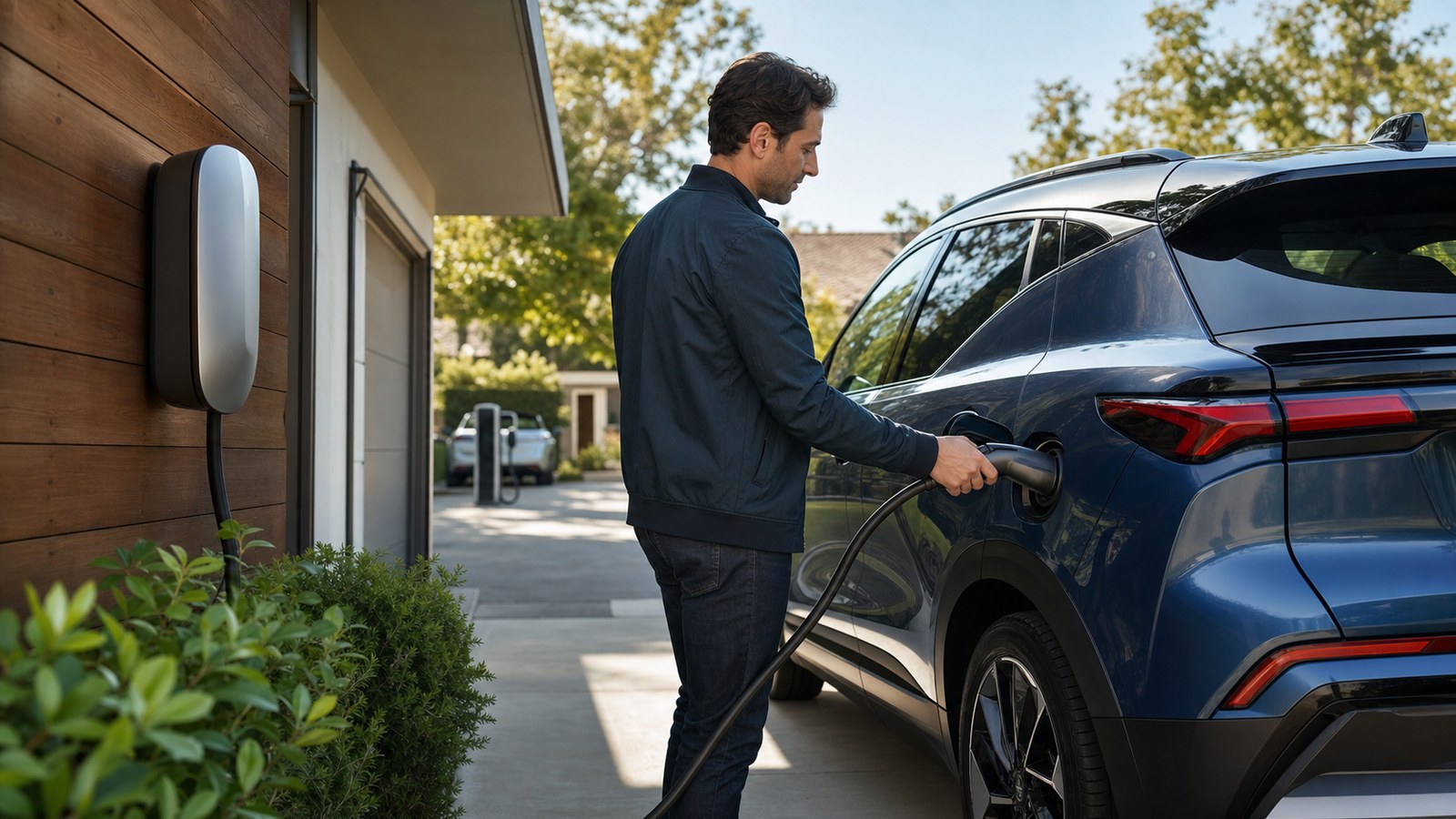
A household outlet can be useful, but it often feels limiting for full battery electric vehicles. Level 2 provides more breathing room. A driver can come home after errands, plug in, and expect a meaningful recovery by morning. That extra confidence matters on busy weeks when errands stack up and the driver does not want to calculate every mile before leaving the house.
That extra speed changes behavior. Drivers no longer need to calculate every short trip or rely on public stations to catch up. The car becomes a device that recharges during ordinary home time, much like a phone, but with far more energy involved.
Level 2 also helps households with changing schedules. A surprise evening drive, a cold morning, or a weekend errand run is easier when the charger can add range quickly enough to keep the car ready.
The result is psychological as much as technical. The owner stops managing scarcity and starts trusting the routine.
This section matters because Level 2 charging succeeds only when the equipment matches real parking behavior, electrical limits, and driver expectations. A setup that looks ordinary on paper can feel excellent when it reliably replaces daily range without forcing extra stops or complicated planning.
Why It Is Not a Fast-Charger Replacement
Level 2 is not meant to replace DC fast charging on long highway routes. A road trip stop usually needs substantial range in a short window, and Level 2 is not designed for that. It is better at slow, steady recovery while the car is parked for hours.
That difference keeps expectations healthy. A hotel Level 2 charger can be excellent overnight, while the same charger would be frustrating during a ten-minute fuel-style stop. The right charger depends on how long the vehicle will sit.
Installation Choices That Matter
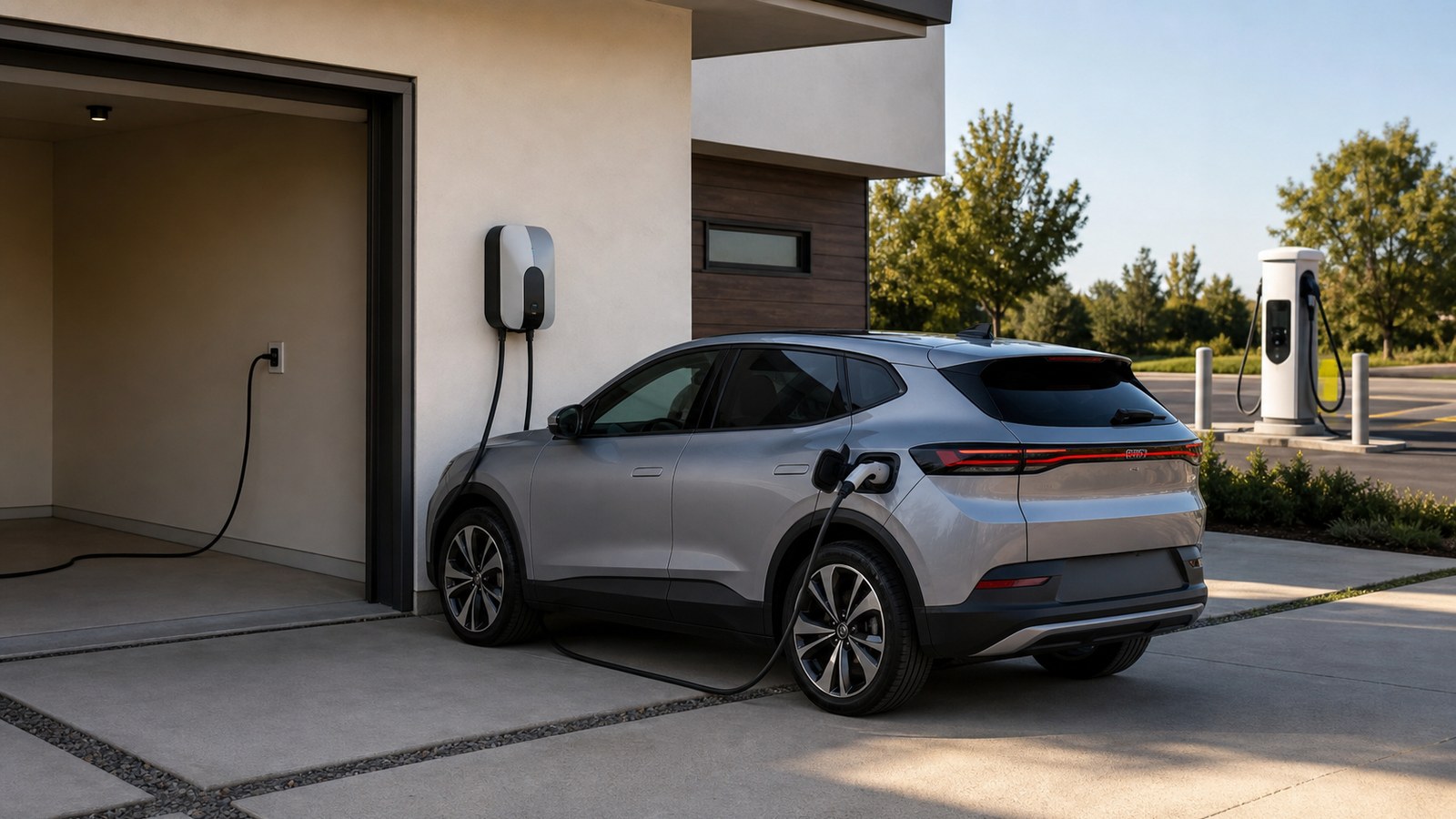
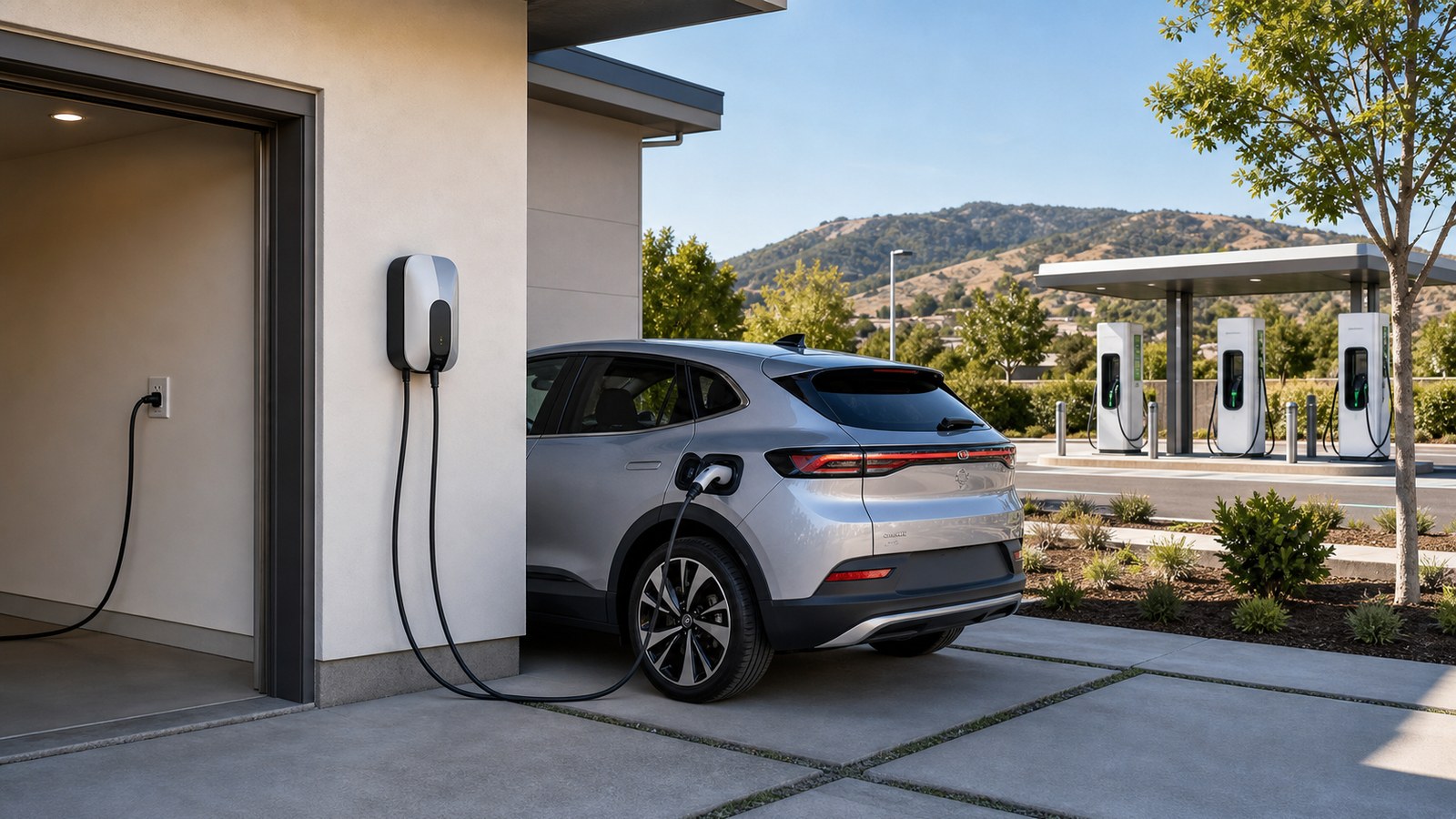
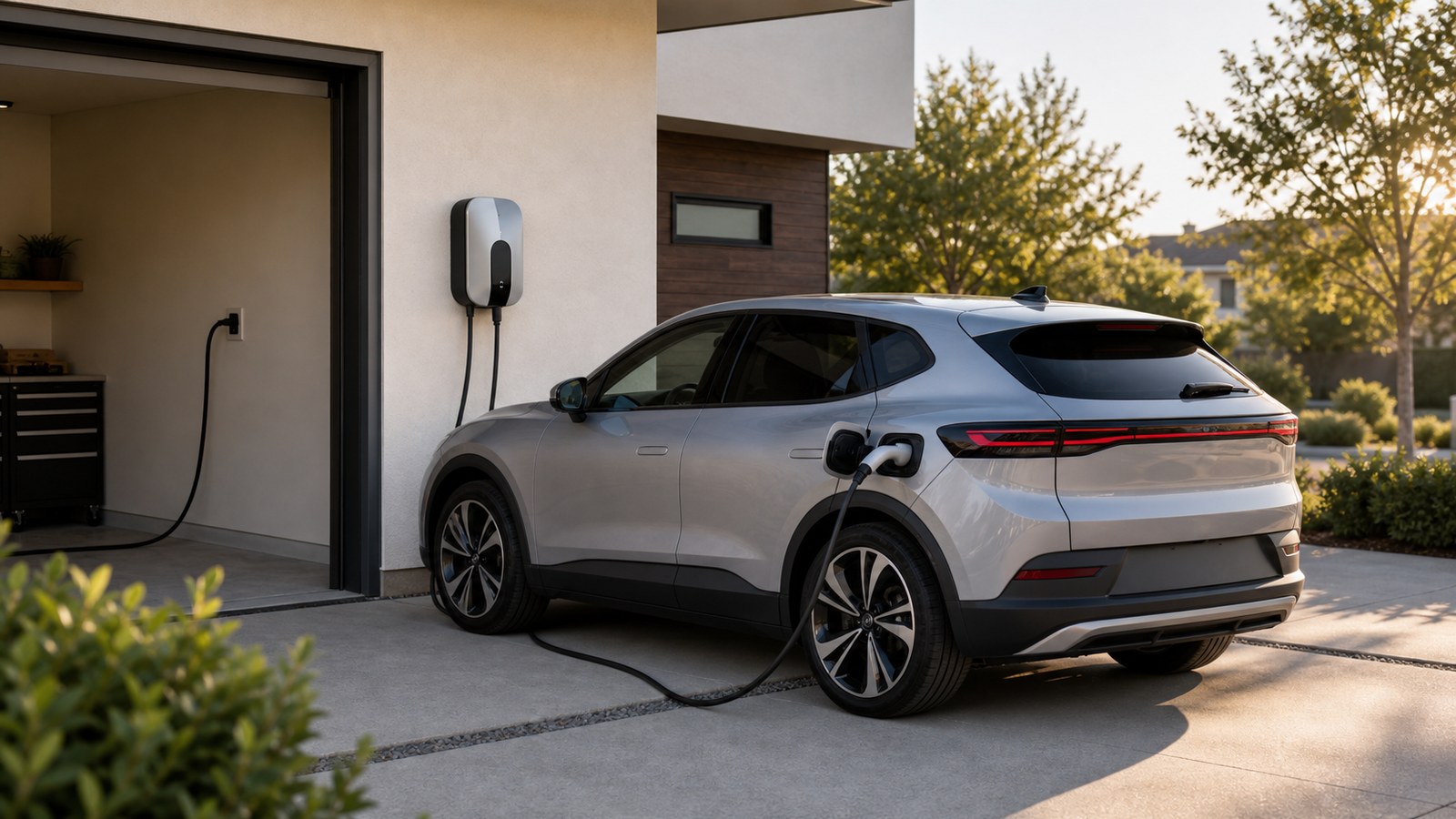
The first installation question is electrical capacity. A charger is only as useful as the circuit that safely supports it. Some homes can add a Level 2 circuit easily, while others may need panel upgrades, load management, or a lower-power setup. A well-placed charger also prevents daily friction, because cable reach, storage, lighting, and parking angle become part of the ownership routine.
The second question is physical placement. The cable should reach the car comfortably in normal parking positions. If a household may buy a different EV later, charger placement should allow for different charge-port locations. A neat cable path prevents daily annoyance.
The third question is control. Some drivers want simple plug-and-charge behavior. Others want smart scheduling, energy tracking, solar coordination, or utility integration. Those features can be helpful, but reliability and safe installation come first.
This section matters because Level 2 charging succeeds only when the equipment matches real parking behavior, electrical limits, and driver expectations. A setup that looks ordinary on paper can feel excellent when it reliably replaces daily range without forcing extra stops or complicated planning.
A well-placed charger also prevents daily friction, because cable reach, storage, lighting, and parking angle become part of the ownership routine. The installation should feel easy on the hundredth use, not just look good on day one.
How Level 2 Supports Battery Habits
Level 2 charging makes it easy to use daily charge limits. Instead of filling the battery to the top every night, the driver can set a target that covers normal use. The car reaches that target during parked time and stops. Those ordinary top-ups can also support battery guidance because the driver can choose a sensible target instead of repeatedly filling to the maximum.
This routine can reduce unnecessary high-state-of-charge time for vehicles that recommend lower daily limits. It also keeps the car ready without treating every day like a road trip. The best battery habit is usually consistent, practical, and aligned with the manual.
Level 2 does not require waiting until the battery is low. Short regular top-ups are normal. The car and charger manage the session while the owner goes on with the day.
This habit is one of the biggest differences from gasoline ownership. EV drivers can treat energy as something that arrives gradually during normal parking, not something that requires a separate stop after the gauge gets low.
This section matters because Level 2 charging succeeds only when the equipment matches real parking behavior, electrical limits, and driver expectations. A setup that looks ordinary on paper can feel excellent when it reliably replaces daily range without forcing extra stops or complicated planning.
Those ordinary top-ups can also support battery guidance because the driver can choose a sensible target instead of repeatedly filling to the maximum. The charger provides flexibility without forcing aggressive charging habits.
Shared Level 2 Charging
Shared charging can work well when expectations are clear. Apartment buildings, offices, and garages need rules for turnover, payment, access, and idle time. Without those rules, a shared charger can become a source of frustration even if the hardware works perfectly. Shared systems work best when the rules are visible, consistent, and easy for drivers to follow without negotiating every session.
Good shared charging design matches behavior. A workplace charger may need enough spaces to serve employees across a full day. An apartment property may need overnight access and billing. A public garage may need pricing that encourages drivers to move after receiving useful range.
Level 2 is naturally suited to shared parking because sessions can run for hours. The challenge is not always power; sometimes it is coordination.
This section matters because Level 2 charging succeeds only when the equipment matches real parking behavior, electrical limits, and driver expectations. A setup that looks ordinary on paper can feel excellent when it reliably replaces daily range without forcing extra stops or complicated planning.
Network reliability also matters in shared settings. A charger that is technically available but frequently offline can undermine trust faster than a slower unit that works every day.
The Everyday Sweet Spot
Level 2 charging sits between two extremes. It is much more useful than a regular outlet for many full EV owners, but far simpler and cheaper than building a DC fast-charging site. That middle position is why it appears in so many homes and destinations.
For drivers with access to it, Level 2 can make EV ownership feel easier than gasoline ownership on normal weeks. There is no separate fuel stop. The car charges where it rests. That quiet convenience is the real sweet spot.
DC fast charging still matters for travel, and Level 1 still has backup value. But for daily life, Level 2 is often the charging level that makes the whole EV idea click.
It is the point where the car begins each day prepared instead of asking the driver to plan around a public stop. That quiet readiness is why Level 2 often changes EV ownership from possible to easy.
Why Level 2 Works for Mixed Households
Many households do not drive the same pattern every day. One day may involve school pickup and errands, while the next may be a short commute. Level 2 charging handles that variety because it can recover a meaningful amount of range between evenings and mornings.
It also supports households that share a vehicle. A morning driver and an evening driver may both benefit from a charger that can add range during gaps in the day. The routine becomes flexible instead of fragile.
If the household later adds another EV, Level 2 remains the foundation. The solution may be scheduled charging, load sharing, or a second circuit, but the basic idea still depends on parked-time recovery.
How to Choose a Sensible Power Level
The right power level starts with daily mileage. A driver who uses thirty miles a day does not need the same setup as a driver who regularly uses one hundred miles and returns late at night. The charger should solve the real routine. A sensible choice leaves room for the rest of the household’s electrical life, from air conditioning to cooking to laundry.
Electrical capacity matters next. A safe, permitted installation with a moderate output is better than an ambitious setup that overloads a panel or requires awkward compromises. Load management can help when household demand is already high.
This section matters because Level 2 charging succeeds only when the equipment matches real parking behavior, electrical limits, and driver expectations. A setup that looks ordinary on paper can feel excellent when it reliably replaces daily range without forcing extra stops or complicated planning.
Many drivers discover that consistency beats maximum output. If the car reliably reaches the desired charge by morning, the setup is doing its job.
A sensible choice leaves room for the rest of the household’s electrical life, from air conditioning to cooking to laundry. The charging plan should support the home rather than dominate it.
Where Level 2 Still Falls Short
Level 2 is not perfect. Drivers without dedicated parking may struggle to use it consistently. Public Level 2 can be blocked, slow for short visits, or tied to parking fees. Rural routes and long highway days still need DC fast charging. That boundary keeps drivers from expecting a destination charger to perform like a highway fast-charging stop.
The sweet spot label should therefore be understood correctly. Level 2 is the sweet spot for everyday parked-time charging, not every charging problem. It works best when the car has hours available and a dependable place to plug in.
That honest boundary makes the recommendation stronger. Level 2 is valuable because it does one common job extremely well.
This section matters because Level 2 charging succeeds only when the equipment matches real parking behavior, electrical limits, and driver expectations. A setup that looks ordinary on paper can feel excellent when it reliably replaces daily range without forcing extra stops or complicated planning.
That boundary keeps drivers from expecting a destination charger to perform like a highway fast-charging stop. It also helps them plan road trips with the right mix of overnight charging and DC fast charging.
In other words, Level 2 is not less useful because it has limits. It is useful because its limits match the way most cars spend most of their time: parked.
What Level 2 Means for Road Trips
Level 2 is not the primary road-trip charging tool, but it can still improve travel. A hotel charger can refill the car overnight, reducing or eliminating the first fast-charge stop the next morning. A destination charger near a cabin, resort, or family home can make the return trip easier.
This is where Level 2 quietly shines. It does not need to be fast when the vehicle is parked for ten hours. A driver who arrives in the evening can wake up with range restored while the car was already sitting still.
The limitation is reliability and availability. A trip should not depend entirely on one unverified destination charger unless there is a backup. Level 2 is excellent when it is available, but good route planning still matters.
The Bottom Line for Most Drivers
For most EV drivers with access to parking and electricity, Level 2 charging is the practical center of the charging ecosystem. It is faster than a wall outlet, cheaper and simpler than DC fast charging, and well matched to the hours a vehicle spends parked.
That balance is why it deserves the sweet spot label. It does not solve every charging situation, but it solves the most common one: making sure the car is ready for normal life.