Charging Speed Is About Useful Range, Not Just Power
EV charging speed is easiest to understand when you stop asking how long a full battery takes and start asking how much usable range a charger can add during the time the car is parked. Level 1 charging is slow but accessible, Level 2 is the everyday workhorse for homes and workplaces, and DC fast charging is the road-trip tool built for quick public stops. Each level can be the right answer in the right situation. A charger that seems slow on paper may be perfect overnight, while a very fast public charger may be unnecessary for normal commuting. Real charging speed depends on the charger, the vehicle, the battery size, temperature, starting percentage, and the driver’s actual range needs.
A: DC fast charging is fastest, but it is mainly for public travel stops.
A: No, it can work for short commutes, plug-in hybrids, or backup charging.
A: It usually restores daily driving range while the car is parked overnight.
A: The car will only accept power within its own limits.
A: The battery management system tapers power to protect the cells.
A: Yes, cold batteries often charge more slowly until warmed.
A: Usually only when the next leg requires that much range.
A: It is an estimate of usable miles recovered during a charging session.
A: No, circuit size and vehicle onboard charger limits vary.
A: Estimate the miles you need, then match the charger to the parked time available.
Why Level 1 Feels Slow
Level 1 charging uses ordinary household power, so it cannot move energy into the battery quickly. That limitation is not a defect; it is simply the result of using a low-power source. For a driver who uses only a small amount of range each day, the slow pace may still be enough because the vehicle sits parked for long stretches.
The trouble starts when expectations are wrong. A full battery electric vehicle with a large pack may need far more energy than a regular outlet can replace overnight after a long drive. If the car falls behind each day, Level 1 becomes a temporary bridge rather than a satisfying long-term routine.
Safety also matters. A charging cord can pull steady power for hours, so the outlet and circuit need to be in good condition. A loose receptacle, warm plug, or heavily shared circuit is a sign to stop and have the setup checked. Slow charging should still be treated as serious electrical use.
Why Level 2 Is the Everyday Answer
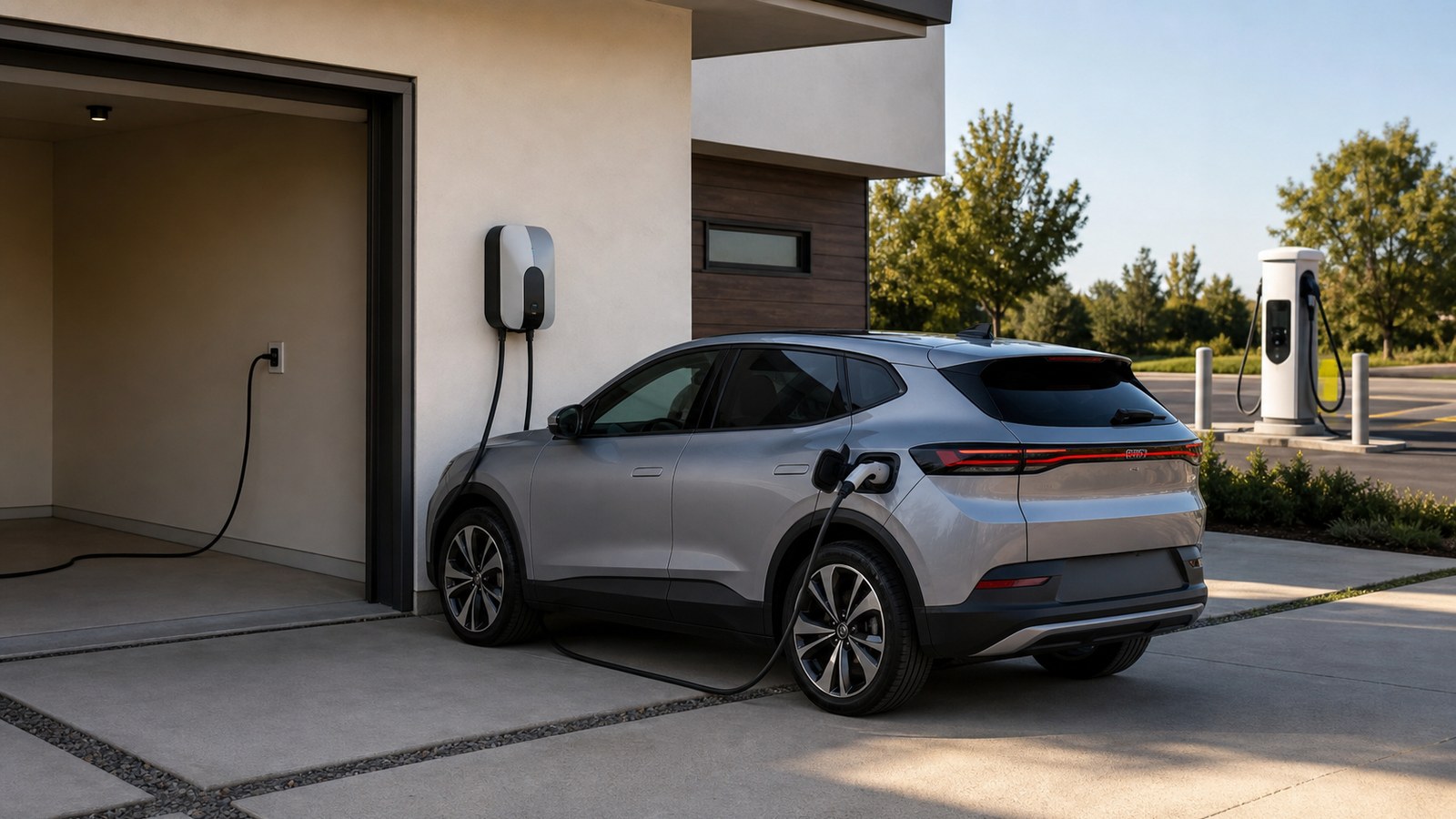
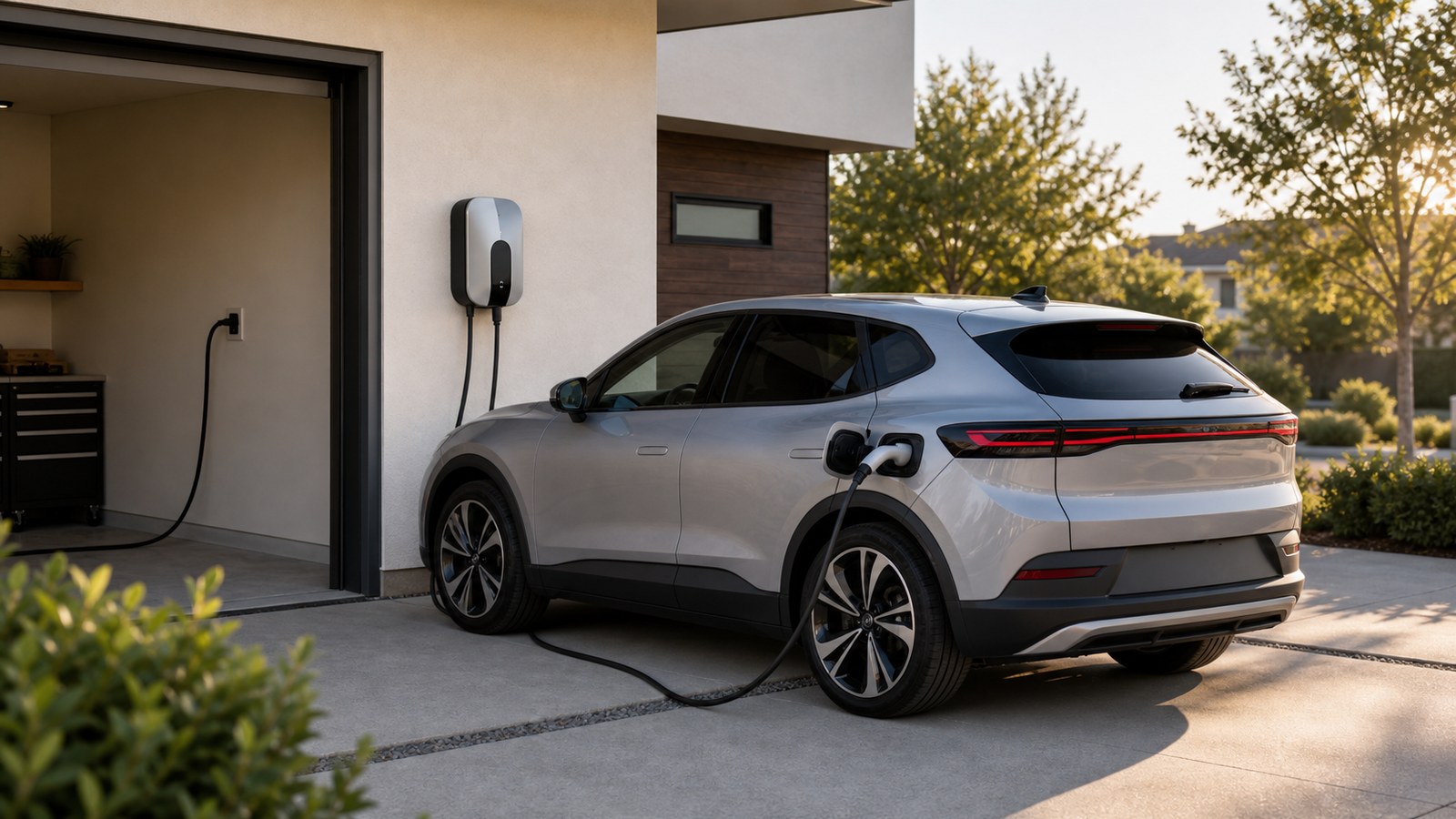
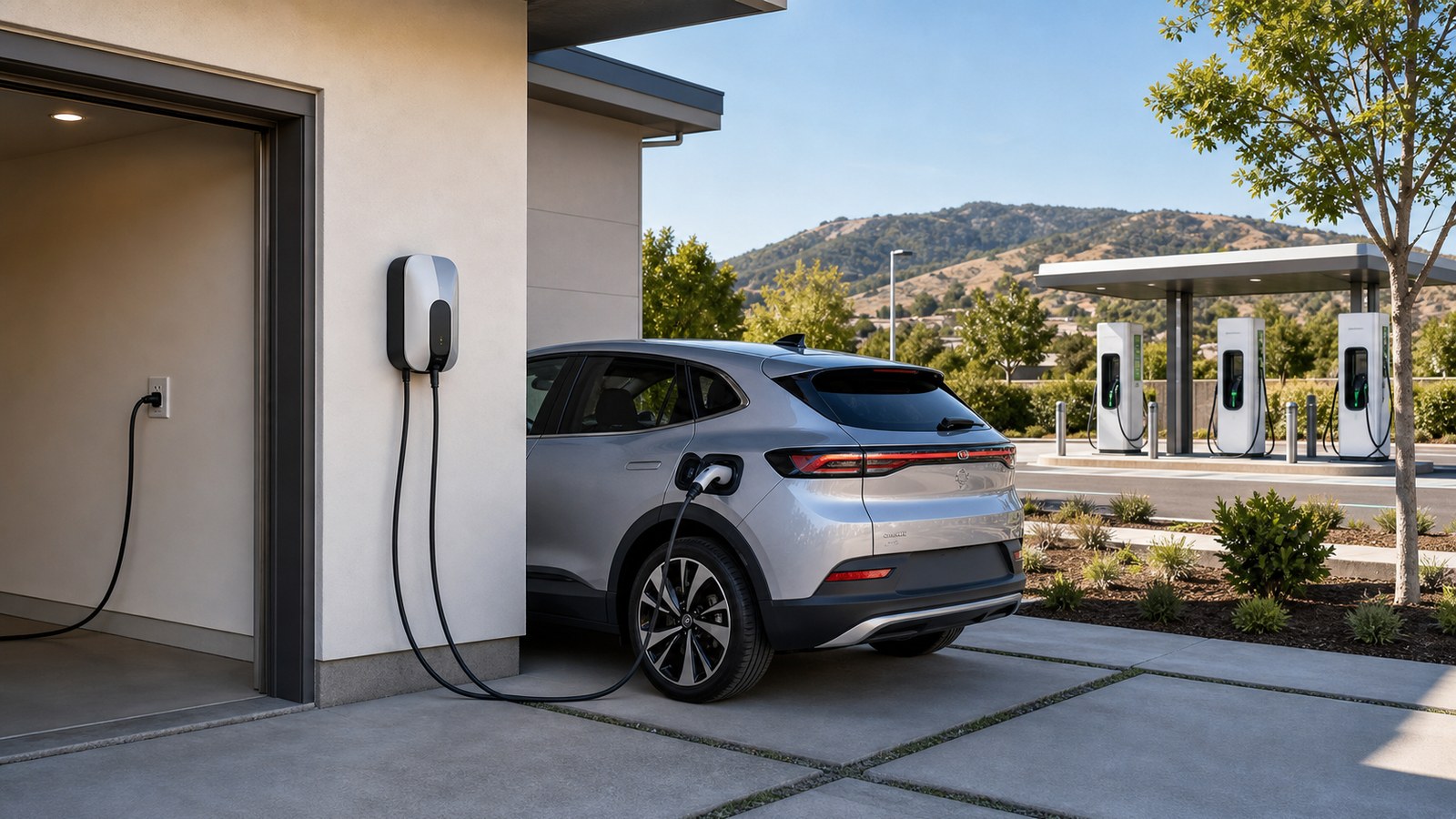
Level 2 charging is faster because it uses a higher-voltage circuit and dedicated equipment. For many owners, that means the car can recover normal daily driving while parked overnight. The speed may not sound dramatic compared with a highway fast charger, but it is exactly what most routines need.
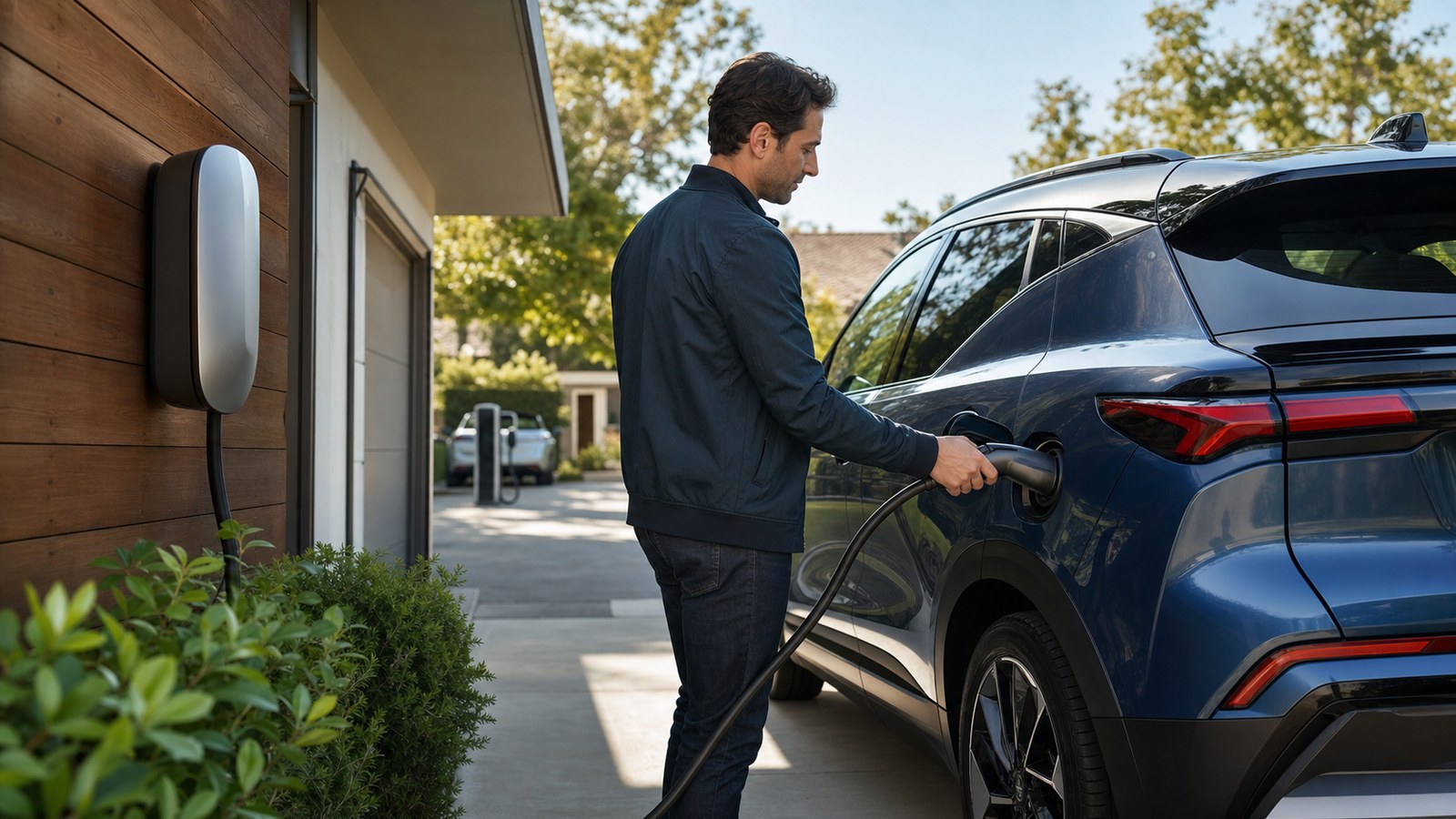
The important detail is that Level 2 charging turns time at home into energy recovery. A driver plugs in after dinner, the car charges while the household sleeps, and the vehicle is ready in the morning. The active time is only a few seconds with the cable.
Level 2 also makes partial charging easy. The battery does not have to be empty, and it does not have to be filled completely. It can replace what was used, stop at the chosen limit, and wait quietly for the next trip.
Installation should match the home rather than chase bragging rights. A smaller circuit that safely covers daily driving is better than an oversized charger that strains the panel or sits in an awkward location.
How Public Level 2 Fits
Public Level 2 charging is slower than DC fast charging, but it can be useful when the vehicle will already be parked. Hotels, offices, campuses, garages, and shopping areas can provide meaningful recovery over several hours. The session works best when charging happens alongside another activity.
This kind of charging is less helpful for a quick roadside stop. If the driver only has ten minutes, public Level 2 will not add much range. If the driver is parked through a workday or overnight stay, it can make the next drive easier without the cost or stress of fast charging.
What DC Fast Charging Really Measures
DC fast charging is built for short public stops, but its real speed is not captured by one advertised number. A station may be rated for high power, yet the car may accept less because of battery temperature, state of charge, software limits, or pack design. The useful measure is how much range appears during the whole stop.
Most EVs charge fastest across a middle portion of the battery. The session often begins strong, then slows as the pack fills. That taper is normal and protective. Drivers who understand it usually leave once they have enough range rather than waiting through the slowest part.
Preconditioning can help. When a vehicle knows it is heading to a fast charger, it may warm or cool the battery before arrival. That preparation can improve charging acceptance and reduce wasted time at the station.
Why Full-Charge Times Can Mislead
A full-charge time sounds simple, but it can mislead beginners. Charging from twenty to sixty percent may be quick, while charging from eighty to one hundred percent may take much longer. Combining those into one empty-to-full number hides the part of the session drivers usually care about.
Daily driving rarely requires a full battery. If tomorrow’s travel needs forty miles, the charger only needs to replace enough energy for that. On trips, the battery needs enough range to reach the next stop with margin. In both cases, useful range matters more than the full-charge clock.
How to Estimate Your Own Charging Speed
Start by learning how many miles your normal day uses. Then compare that number with what your charging setup can recover during normal parked time. If the car uses thirty miles and the charger can recover far more overnight, charging speed is not a problem. If the charger cannot keep up, the routine needs adjustment.
The vehicle’s app or dashboard can teach you quickly. Watch how long a familiar session takes, how many miles are added, and whether weather changes the result. After a few weeks, your own history becomes more useful than generic estimates.
For road trips, use route planning tools that account for charging stops, station power, terrain, and arrival percentage. A good plan avoids both extremes: arriving with no margin and wasting time charging far beyond what the next leg requires.
The Practical Speed Hierarchy
The simplest hierarchy is this: Level 1 is slow access, Level 2 is daily recovery, and DC fast charging is travel speed. None of those levels is automatically good or bad. Each one fits a different parking situation.
An owner with home Level 2 charging may spend less active time fueling than a gasoline driver, even though the electrical session takes hours. A traveler using DC fast charging may spend more time planning stops, but less time than if they relied on a slow public charger. Speed only makes sense when it is tied to the job at hand.
Once that idea is clear, EV charging speed becomes less mysterious. The driver does not need the fastest charger every day. The driver needs the right charger for the available time, the next trip, and the vehicle’s limits.
That is why experienced EV owners often sound relaxed about charging speed. They know which sessions are passive, which are strategic, and which are not worth extending. The fastest charger is useful, but the best charging routine is the one that keeps the car ready without creating extra errands.
Why Charger Ratings Need Context
A charger rating is a ceiling, not a promise. If a DC fast charger advertises a very high output, that only means the station can provide that much power under the right conditions. The car still decides how much it will accept, and that decision changes during the session.
Home charging has the same kind of context. A wall charger may be capable of more power than the vehicle’s onboard charger can use. The electrical panel may also limit the safe circuit size. Real charging speed is always the lowest practical limit in the chain.
This is why buyers should avoid comparing equipment by the biggest number alone. A dependable charger that fits the vehicle, home, and routine is more valuable than a specification that rarely appears in daily use.
How Battery Size Changes the Feeling
Battery size changes how charging speed feels. A large pack can absorb more total energy, so a partial refill may take longer even when the charging power is strong. At the same time, that larger pack may provide more range between sessions, which can reduce how often charging is needed.
A smaller battery may refill quickly in percentage terms, but each percentage point represents less energy. Drivers should compare miles recovered and trip readiness rather than only percentage gained. Ten percent in one EV is not always equal to ten percent in another.
The Best Speed Is the One That Fits the Stop
Charging speed should match the stop. Overnight parking rewards steady Level 2 charging. A grocery visit may justify public Level 2 only if the driver needs a modest top-up. A highway lunch break may call for DC fast charging because the trip must continue soon.
Thinking this way prevents disappointment. A Level 2 station is not slow if the car sits there for six hours. A fast charger is not always necessary if the driver is going home to plug in. The right tool depends on the time window.
Once drivers frame charging this way, speed becomes a planning detail rather than a source of anxiety.
The same thinking applies to charger upgrades. A driver should improve the weak point in the routine rather than chase the largest possible number. If overnight Level 2 already covers the week, a higher-powered wall unit may add little real benefit.
How Weather Changes Charging Expectations
Weather can change both how much energy the car needs and how quickly it can recover that energy. Cold temperatures may reduce battery acceptance, while heat can make cooling systems work harder. A charging session that feels quick in mild weather may feel slower during a winter trip with a cold-soaked pack.
Drivers can plan around that by using preconditioning when available and leaving more margin during harsh weather. The charger may be the same, but the battery’s readiness is different. That difference is why charging speed should always be understood as a real-world condition, not a fixed promise.
The practical response is to treat weather as part of the charging plan. A driver who expects slower winter charging is less likely to be surprised by it.
What New Owners Should Track
New owners should track a few ordinary sessions instead of memorizing every charging formula. Notice how much range a home night adds, how fast a public Level 2 station helps during a long stop, and how a fast charger behaves between lower and higher battery percentages.
Those observations quickly become practical knowledge. After a few weeks, the driver knows whether the daily setup is more than enough, barely enough, or in need of an upgrade. Personal data turns vague charging claims into a routine that fits one household.
Tracking should include inconvenient sessions as well as easy ones. A slow winter fast charge, a busy public station, or a short home top-up can teach more about real ownership than a perfect charger test under ideal conditions.
The notes do not need to be formal. A few observations about time parked, range added, weather, and starting percentage are enough to reveal whether the charging setup is comfortable or merely adequate.
That habit prevents unnecessary charging stops later.