Understanding the Three Main Ways EVs Charge
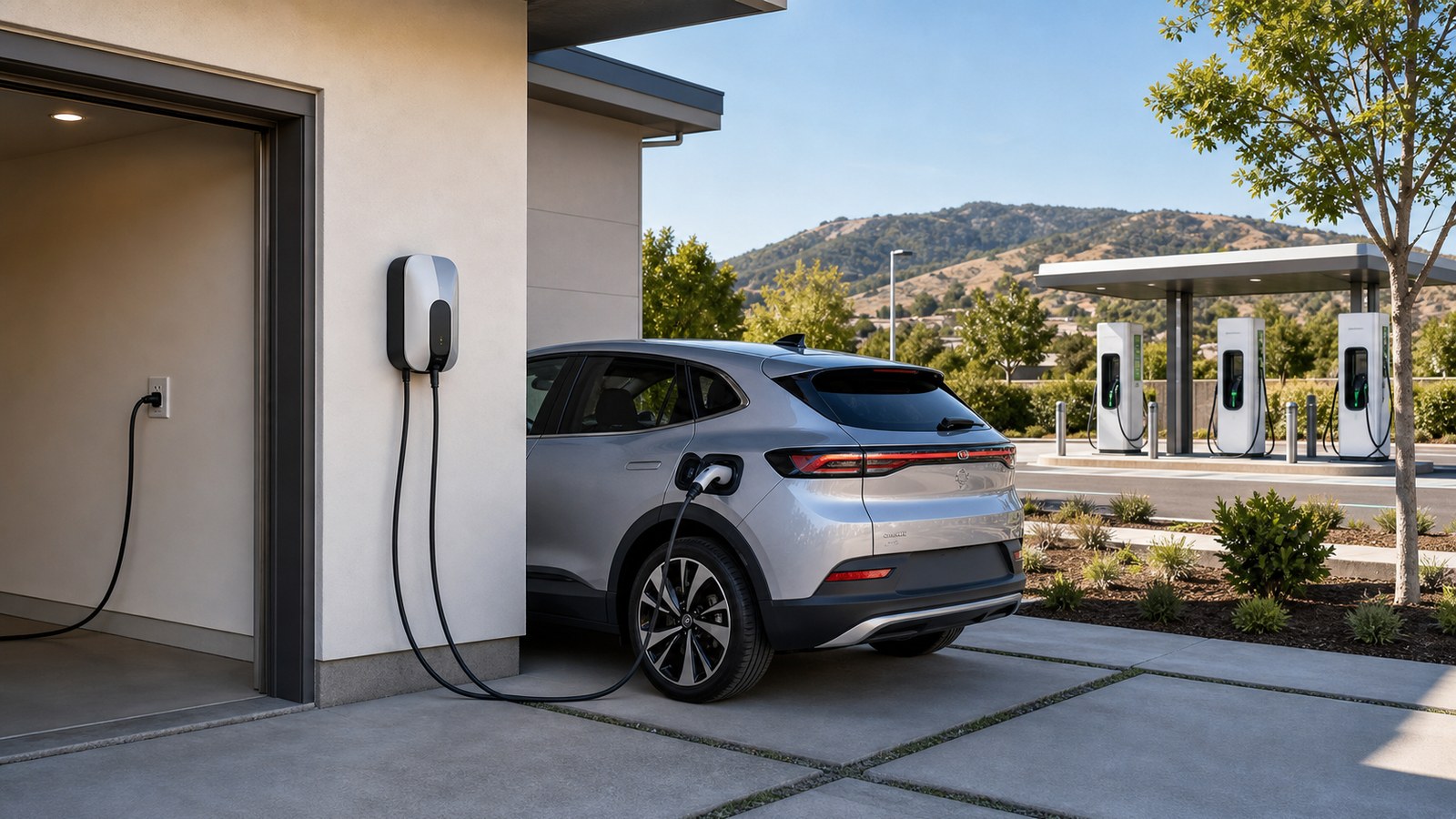
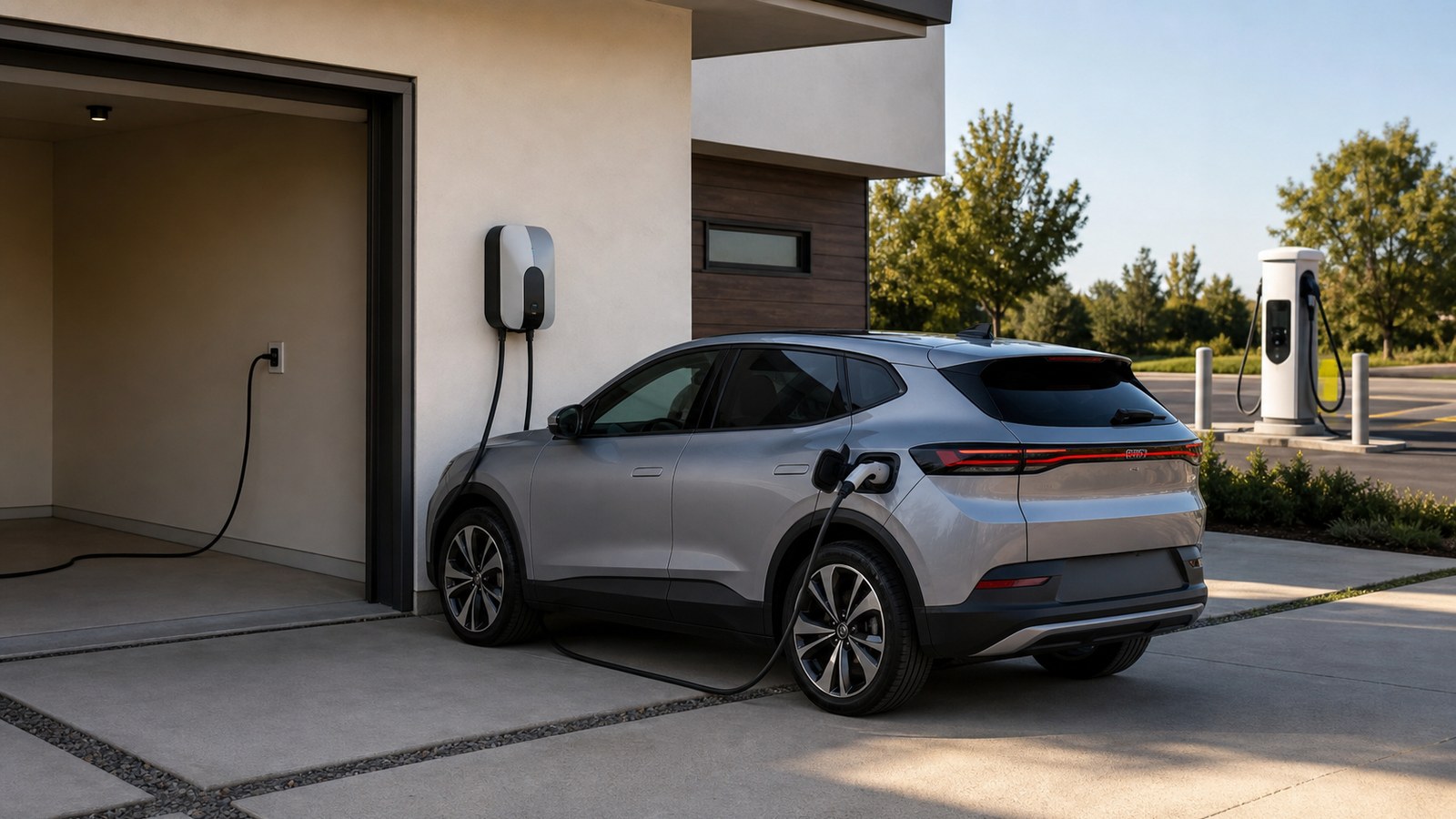
EV charging becomes much less confusing once you separate it into three everyday choices: Level 1 for slow charging from a regular household outlet, Level 2 for the faster charging most owners want at home or work, and DC fast charging for road trips and quick public stops. Each option fills a different role, and the best EV experience usually comes from using the right one at the right time rather than chasing the fastest plug in every situation. A new driver who understands these levels can estimate daily range recovery, plan home charging, avoid unnecessary public charging costs, and make better decisions about electrical upgrades. The goal is not to memorize every electrical term. It is to know what happens when you plug in, how long it will probably take, what equipment is involved, and which charging choice fits the way you actually drive.
A: Yes, if your daily mileage is modest and the car can stay plugged in long enough between trips.
A: No, but it is the comfort upgrade most full EV owners appreciate after living with the car.
A: Daily fast charging is rarely necessary when home or workplace charging covers normal driving.
A: The car reduces power to protect the battery as the pack reaches a higher state of charge.
A: Only up to the limit supported by the vehicle, circuit, temperature, and battery condition.
A: Modern charging equipment is designed for outdoor use when installed and used correctly.
A: The lower of the two decides the real charging speed during that session.
A: It is usually too slow for quick road-trip turnaround, though it can help in a pinch.
A: Shared power, station condition, battery temperature, and charge level can all reduce speed.
A: Plug in at home when convenient, use Level 2 for daily needs, and save fast charging for travel.
What Level 1 Charging Really Means
Level 1 charging is the simplest form of EV charging because it uses ordinary household power. In the United States, that usually means a standard 120-volt outlet and a portable charging cord that connects the car to the wall. The advantage is obvious: many garages and driveways already have this kind of outlet. The limitation is just as clear. Level 1 adds range slowly, so it works best when the car has plenty of parked time and the driver does not need to recover a large amount of range every night.
For some owners, Level 1 is perfectly reasonable. A plug-in hybrid with a small battery may refill overnight. A battery electric vehicle used for a short commute may recover enough range during a long evening and overnight stay. The math changes when the driver regularly uses more miles than the outlet can replace. In that case, the car may slowly fall behind during the week, requiring a longer weekend charge or a public charging stop.
The practical issue with Level 1 is not only speed. Outlet quality matters. A worn receptacle, overloaded circuit, or improvised extension-cord setup can create heat and reliability problems. Anyone planning to use Level 1 every day should make sure the outlet is in good condition and that the circuit is not already serving major loads. Slow charging can be useful, but it still deserves basic electrical respect.
Why Level 2 Is the Everyday Sweet Spot
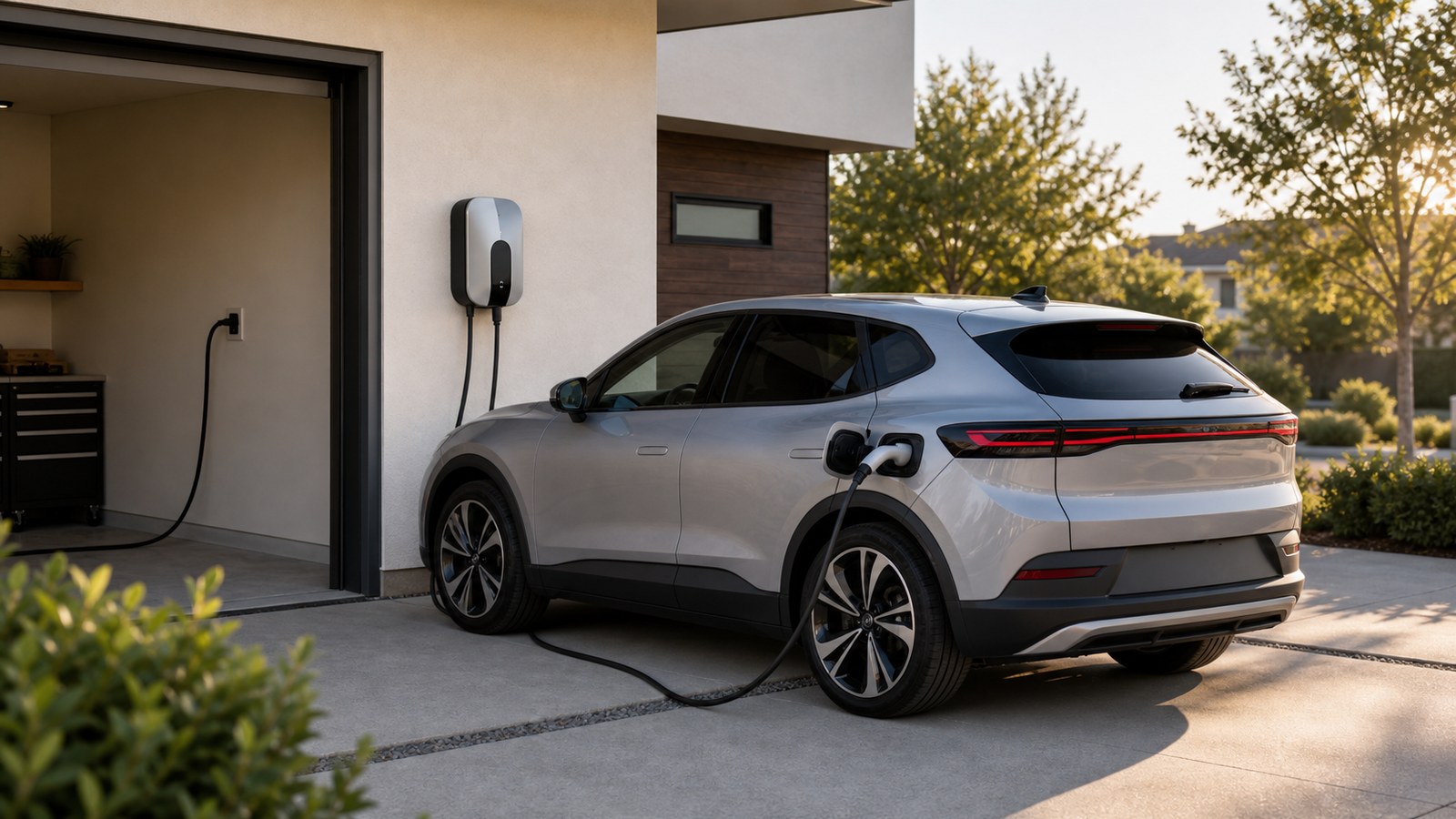
Level 2 charging is the standard home-charging upgrade for many EV owners because it can recover a meaningful amount of range while the vehicle is parked overnight. It uses higher-voltage AC power and typically requires a dedicated circuit, either connected to a hardwired charging unit or a properly installed outlet. The exact speed depends on the charger, the vehicle’s onboard charger, and the electrical capacity available at the property.
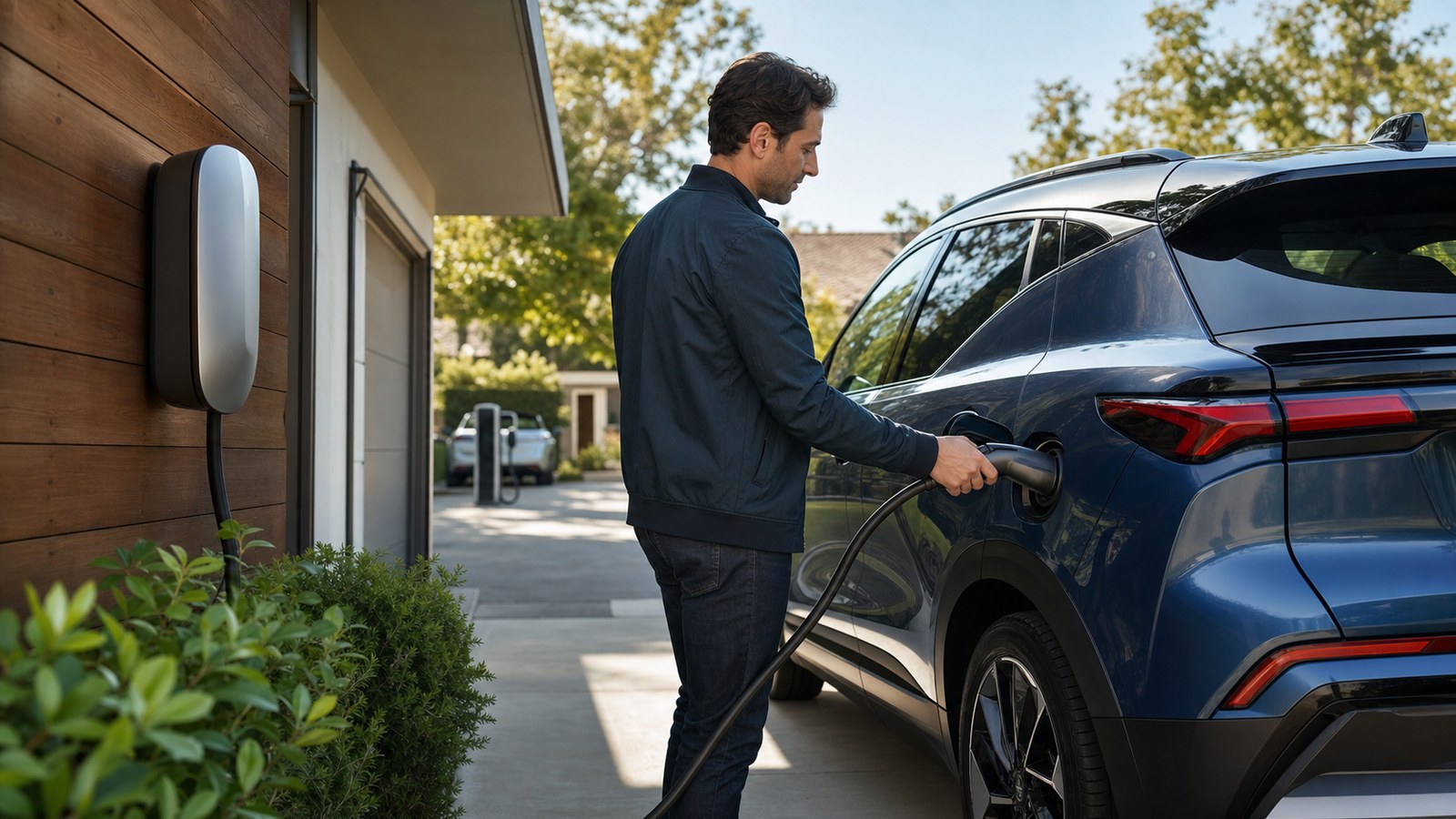
The biggest benefit is routine. Instead of thinking about charging as a separate errand, the driver plugs in when the car is parked and wakes up with the range needed for the day. That habit changes the ownership experience. Gasoline drivers are used to stopping somewhere for energy. EV drivers with Level 2 home charging often start each morning with the equivalent of a useful refill already done.
A good Level 2 setup is not just about buying the most powerful box. The installation should match the home, parking arrangement, local code, and utility plan. Some households benefit from a smart charger that can schedule charging after rates drop. Others need load management so charging does not conflict with air conditioning, cooking, laundry, or other electrical demand. The best installation is the one that is safe, convenient, and appropriately sized.
The charger should also fit the way the vehicle is parked. A cable that barely reaches will become annoying, and a cord stretched across a walking path can create a tripping hazard. A clean mounting location, sensible cable storage, and a weather-appropriate enclosure often matter more over five years than a small difference in maximum charging power.
Where DC Fast Charging Fits
DC fast charging is designed for situations where time matters. Instead of sending AC power to the car’s onboard charger, a fast charger supplies DC power at much higher levels through specialized equipment. This is why fast charging stations are larger, more expensive, and usually found along highways, shopping corridors, and travel routes rather than inside typical garages.
For road trips, DC fast charging is essential. A driver can stop, add enough range to reach the next destination, and continue the trip without waiting overnight. The key phrase is “enough range.” Many EVs charge fastest in the lower and middle portions of the battery. Waiting for the last stretch toward full can take disproportionately long. On a trip, it is often smarter to make a shorter stop and leave with a practical buffer than to sit until the battery is nearly full.
Charging Speed Depends on More Than the Plug
A charging station’s advertised power is only one piece of the picture. The vehicle has its own maximum charging rate. The battery’s temperature, current state of charge, software limits, and pack design all influence how much power the car will accept. A charger capable of very high output may still deliver less if the battery is cold, nearly full, or not designed for that level.
This is why two EVs can use the same station and have different experiences. One may arrive with a warm battery and a low charge level, then pull strong power. Another may arrive almost full and charge slowly. Neither result necessarily means the station is broken. Charging is a negotiation between the equipment and the vehicle, with the battery management system protecting the pack throughout the session.
Drivers can improve results by planning. Some EV navigation systems precondition the battery when a fast charger is set as the destination. That warms or cools the pack so it can accept higher power on arrival. Even without that feature, arriving with a lower but comfortable state of charge usually helps. Charging from twenty to sixty percent may feel dramatically quicker than charging from seventy-five to ninety-five percent.
Cost and Convenience Are Part of the Decision
The fastest charger is not always the best charger. Public DC fast charging can cost more than home electricity, and the station may require a detour, an app, a payment account, or a wait. Level 2 charging at home, work, or a familiar public location may be slower, but it can be cheaper and easier when the car is parked for hours anyway.
Think of charging by parked time. If the car sits at home from evening to morning, Level 2 can do a lot of work quietly. If the car sits at an office for eight hours, workplace charging may cover the commute. If the car is on a highway trip and the family wants to keep moving, DC fast charging makes sense. Charging feels simpler when the driver matches the tool to the parking situation instead of treating every plug like a race.
Choosing the Right Setup for Your Life
A new EV owner should begin with honest driving patterns. How many miles are typical on weekdays? How often does the car sit at home? Is there reliable workplace charging? Are road trips common? Does the home electrical panel have capacity for a dedicated circuit? These answers matter more than abstract charger rankings.
For a low-mileage driver, Level 1 may be a bridge or even a long-term solution. For most full EV households, Level 2 brings the best mix of speed, cost, and convenience. For travel, DC fast charging is the safety net that turns long distances into manageable stages. The strongest charging plan is usually a layered one: dependable home charging for normal life, public Level 2 when parked for hours, and DC fast charging when the road demands a quick stop.
Once that framework clicks, EV charging stops feeling like a mystery. It becomes a set of choices. Level 1 is slow and accessible. Level 2 is the daily workhorse. DC fast charging is the travel tool. Knowing the difference helps drivers save money, protect time, and use their EV with much more confidence.
How to Read Charging Specs Without Getting Lost
Charging specs often list volts, amps, kilowatts, connector names, and peak rates, but a driver does not need to become an electrician to make sense of them. Kilowatts describe power, which is the rate at which energy moves. Kilowatt-hours describe energy, which is the amount stored or delivered over time. A charger with more kilowatts can potentially add energy faster, but only if the car, cable, battery, and site are all ready to support that speed.
The important habit is to compare the charger with the vehicle’s limits. If an EV can accept a certain maximum AC rate, a larger home charger will not force it to charge beyond that. If the car’s DC fast-charging curve peaks briefly and then tapers, the headline number may not describe the entire session. Real charging is less about a single best number and more about the useful range recovered during the time the driver is willing to wait.
When an Upgrade Is Worth It
A charging upgrade is worth considering when the current setup regularly fails to replace normal driving before the next departure. If Level 1 leaves the driver planning around public chargers every few days, Level 2 may remove that friction. If a household adds a second EV, the answer may be a smarter shared system rather than simply installing the largest possible circuit. The right upgrade solves a daily problem instead of chasing a spec-sheet trophy.
Common Mistakes to Avoid
The most common charging mistake is treating speed as the only measure of quality. A fast charger is excellent when it saves travel time, but it is not automatically better for a car that will sit overnight anyway. Paying more for public speed while a cheaper home option is available can turn EV ownership into something more expensive and less convenient than it needs to be.
Another mistake is waiting until the battery is very low before thinking about charging. Gasoline habits encourage drivers to refill after the tank approaches empty. EV habits work better when charging is tied to parking. Plugging in during useful parked time keeps the battery ready and reduces the need for urgent stops.
Drivers should also avoid assuming every public station will deliver the same experience. A site may be busy, partially offline, power-limited, or incompatible with the vehicle without the right adapter. Checking the station before arrival and having a backup on unfamiliar trips can turn a potential delay into a minor adjustment.
The Bottom Line for New EV Drivers
Level 1, Level 2, and DC fast charging are not competing answers so much as different tools. The outlet is slow but widely accessible. The home wall charger is the daily convenience machine. The fast charger is the travel helper that keeps longer routes practical. A confident EV owner knows when each tool earns its place.
That confidence matters more than memorizing every charging term. Once a driver understands parked time, power level, vehicle limits, and battery taper, charging decisions become ordinary. The car does not need to be full all the time; it needs to be ready for the next drive. That is the mental shift that makes electric driving feel natural.