Range Anxiety Is Less About One Number and More About Charging Confidence
Range anxiety is the worry that an EV will run out of battery before reaching a destination or usable charger. Better batteries, route planning, and public charging have reduced the problem for many drivers, but the concern still matters when charging access is uncertain or the trip is unfamiliar.
What Range Anxiety Really Means
Range anxiety is partly practical and partly psychological. A driver may have enough battery for the trip but still feel nervous because charging feels less familiar than stopping for gasoline.
The dashboard percentage can also feel different from a fuel gauge. Seeing 20 percent battery may worry a new EV driver even when the remaining distance is more than enough.
For Range Anxiety, the what range anxiety really means point works best when it is tied to a real driver routine. Daily mileage, charging access, weather, passengers, cargo, and budget often matter more than the single most impressive number in a spec sheet.
The practical check for this what range anxiety really means discussion is simple: decide what would change the ownership experience after the first month. If the answer affects charging time, range confidence, comfort, service, cost, or resale value, it belongs in the buying decision.
That is why the what range anxiety really means angle should be read as an ownership filter, not just background information. A useful EV article helps the reader connect technology claims to the way the vehicle will actually be charged, driven, maintained, and paid for.
Why It Has Improved
Modern EVs often offer more range than early models, and public charging networks have expanded. Navigation systems can also route drivers through charging stops.
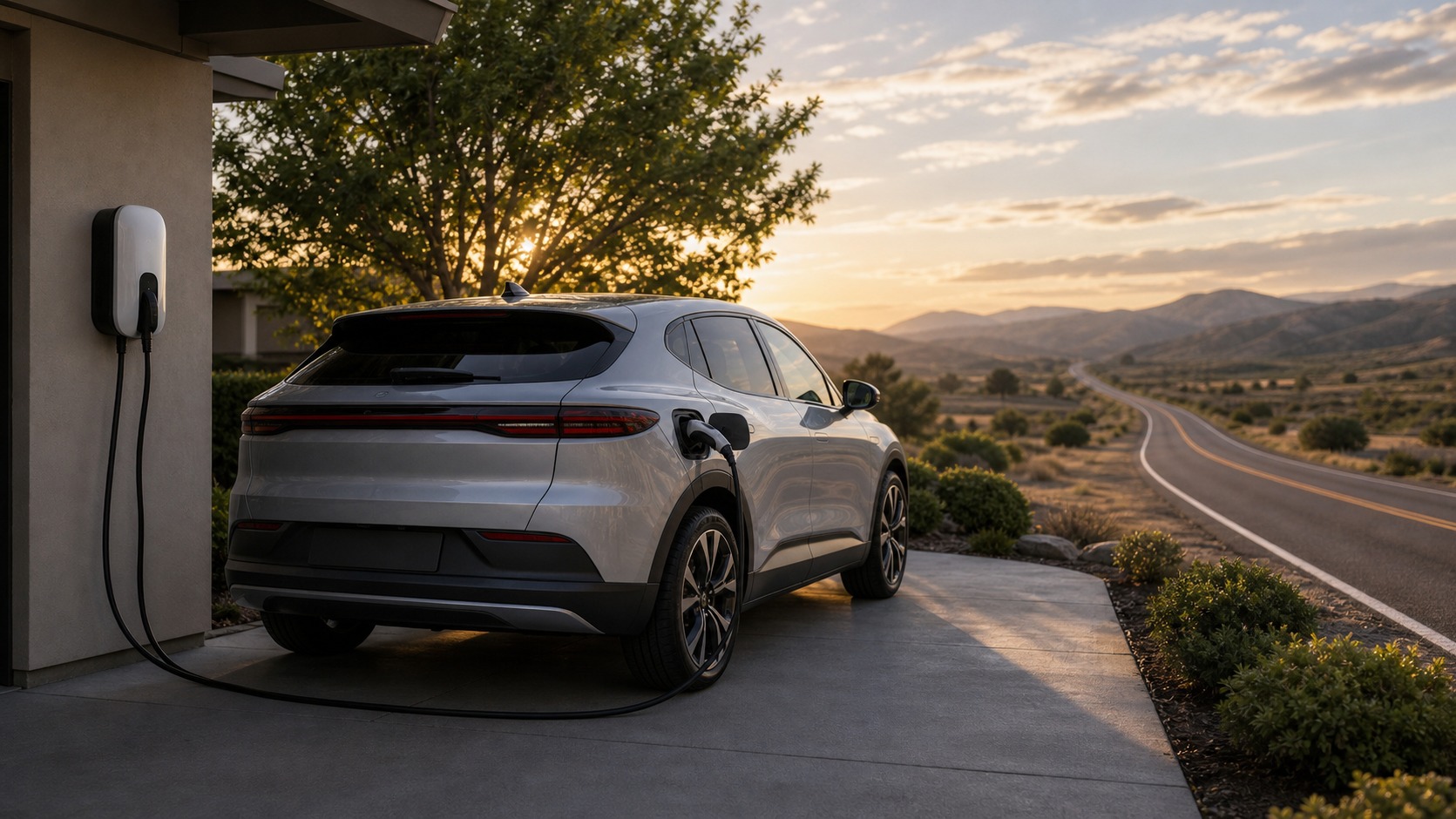
Home charging changes the experience most. When the car begins most days with enough range, daily anxiety often fades quickly.
For Range Anxiety, the why it has improved point works best when it is tied to a real driver routine. Daily mileage, charging access, weather, passengers, cargo, and budget often matter more than the single most impressive number in a spec sheet.
The practical check for this why it has improved discussion is simple: decide what would change the ownership experience after the first month. If the answer affects charging time, range confidence, comfort, service, cost, or resale value, it belongs in the buying decision.
That is why the why it has improved angle should be read as an ownership filter, not just background information. A useful EV article helps the reader connect technology claims to the way the vehicle will actually be charged, driven, maintained, and paid for.
Why It Has Not Disappeared
Range anxiety remains real for drivers without home charging, people in rural areas, road-trip travelers, winter drivers, and anyone who has been burned by a broken or crowded charging station.
Charging time matters too. Worry is not only about distance. It is also about whether the next stop will be available, fast, and easy to use.
For Range Anxiety, the why it has not disappeared point works best when it is tied to a real driver routine. Daily mileage, charging access, weather, passengers, cargo, and budget often matter more than the single most impressive number in a spec sheet.
The practical check for this why it has not disappeared discussion is simple: decide what would change the ownership experience after the first month. If the answer affects charging time, range confidence, comfort, service, cost, or resale value, it belongs in the buying decision.
That is why the why it has not disappeared angle should be read as an ownership filter, not just background information. A useful EV article helps the reader connect technology claims to the way the vehicle will actually be charged, driven, maintained, and paid for.
How Weather Changes Confidence
Cold weather can reduce range because batteries, tires, and cabin heating need more energy. Strong wind, rain, snow, and high speeds can also change range estimates.
A practical driver plans a larger buffer in bad weather. That is not fear; it is the EV version of leaving extra time for difficult road conditions.
For Range Anxiety, the how weather changes confidence point works best when it is tied to a real driver routine. Daily mileage, charging access, weather, passengers, cargo, and budget often matter more than the single most impressive number in a spec sheet.
The practical check for this how weather changes confidence discussion is simple: decide what would change the ownership experience after the first month. If the answer affects charging time, range confidence, comfort, service, cost, or resale value, it belongs in the buying decision.
That is why the how weather changes confidence angle should be read as an ownership filter, not just background information. A useful EV article helps the reader connect technology claims to the way the vehicle will actually be charged, driven, maintained, and paid for.
The Role of Charging Networks
Reliable charging networks reduce anxiety more than raw charger counts. A dozen chargers that work well are more useful than a long list of stations with broken stalls or confusing payment systems.
Plug-and-charge features, accurate station status, good lighting, and multiple stalls all help drivers trust the system.
For Range Anxiety, the the role of charging networks point works best when it is tied to a real driver routine. Daily mileage, charging access, weather, passengers, cargo, and budget often matter more than the single most impressive number in a spec sheet.
The practical check for this the role of charging networks discussion is simple: decide what would change the ownership experience after the first month. If the answer affects charging time, range confidence, comfort, service, cost, or resale value, it belongs in the buying decision.
That is why the the role of charging networks angle should be read as an ownership filter, not just background information. A useful EV article helps the reader connect technology claims to the way the vehicle will actually be charged, driven, maintained, and paid for.
How to Plan Around It
Drivers can reduce range anxiety by learning normal energy use, charging at home or work, keeping a trip buffer, using route planners, and avoiding unnecessary 100 percent charges unless the trip needs it.
The goal is not to think about range constantly. It is to understand the car well enough that most trips feel ordinary.
For Range Anxiety, the how to plan around it point works best when it is tied to a real driver routine. Daily mileage, charging access, weather, passengers, cargo, and budget often matter more than the single most impressive number in a spec sheet.
The practical check for this how to plan around it discussion is simple: decide what would change the ownership experience after the first month. If the answer affects charging time, range confidence, comfort, service, cost, or resale value, it belongs in the buying decision.
That is why the how to plan around it angle should be read as an ownership filter, not just background information. A useful EV article helps the reader connect technology claims to the way the vehicle will actually be charged, driven, maintained, and paid for.
First-Month Learning Curve
Many new EV owners feel most anxious during the first month. After a few regular commutes, charging sessions, and longer drives, the vehicle’s real range becomes easier to predict.
The learning curve is shorter when the car’s software gives honest estimates and the owner has dependable charging access.
For Range Anxiety, the first-month learning curve point works best when it is tied to a real driver routine. Daily mileage, charging access, weather, passengers, cargo, and budget often matter more than the single most impressive number in a spec sheet.
The practical check for this first-month learning curve discussion is simple: decide what would change the ownership experience after the first month. If the answer affects charging time, range confidence, comfort, service, cost, or resale value, it belongs in the buying decision.
That is why the first-month learning curve angle should be read as an ownership filter, not just background information. A useful EV article helps the reader connect technology claims to the way the vehicle will actually be charged, driven, maintained, and paid for.
The Practical Bottom Line
Range anxiety is no longer the universal EV blocker it once was, but it has not vanished. It depends on range, charging access, weather, trip length, and driver familiarity.
The best solution is not always a bigger battery. Sometimes it is better charging access, better route planning, and a clearer understanding of the driver’s actual mileage needs.
For Range Anxiety, the the practical bottom line point works best when it is tied to a real driver routine. Daily mileage, charging access, weather, passengers, cargo, and budget often matter more than the single most impressive number in a spec sheet.
The practical check for this the practical bottom line discussion is simple: decide what would change the ownership experience after the first month. If the answer affects charging time, range confidence, comfort, service, cost, or resale value, it belongs in the buying decision.
That is why the the practical bottom line angle should be read as an ownership filter, not just background information. A useful EV article helps the reader connect technology claims to the way the vehicle will actually be charged, driven, maintained, and paid for.
Range Anxiety Ownership Check
The practical test for Range Anxiety is whether it changes a real buying or driving decision. Range, charging access, tire cost, service support, safety guidance, climate, and daily mileage all matter more when they are tied to the way the vehicle will actually be used.
Exact configuration deserves attention. Battery size, motor layout, tire package, wheel size, software version, heat pump availability, charging hardware, and driver-assistance equipment can shift the answer even within the same model line.
Charging should be planned as a normal habit. Home or workplace charging can make an EV feel effortless, while dependence on public fast chargers makes station reliability, payment access, and route coverage much more important.
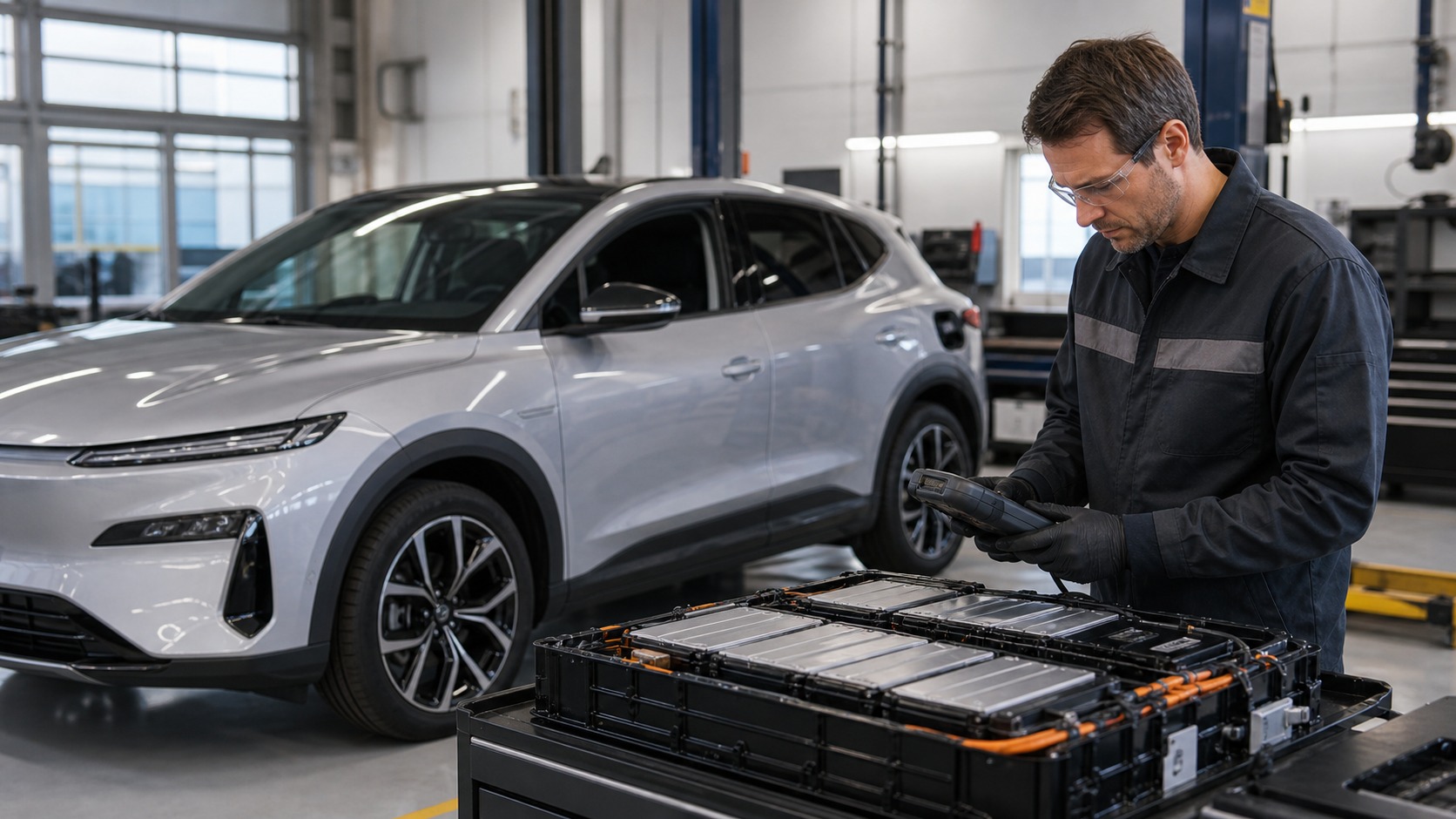
Safety and service are part of the ownership story as well. High-voltage systems are designed for normal use, but damaged components, charging faults, flood exposure, or battery warnings need trained attention rather than improvisation.
The best EV decision is specific enough to survive ordinary life. It accounts for bad weather, worn tires, family trips, software updates, service appointments, and the cost of keeping the vehicle enjoyable after the first month.
What to Verify Before Trusting the Claim
Any claim around Range Anxiety should be checked against the exact vehicle, not only a general category. Official ratings, owner experience, charging-network access, warranty terms, and local service availability all help turn broad advice into a real decision.
Published numbers can be useful without being perfect. Range, acceleration, charging speed, and efficiency depend on conditions, so the smartest comparison looks at how the vehicle behaves in the kind of driving the owner actually does.
If the claim depends on a future update, a planned charger, an adapter program, or ideal conditions, it should be treated as a possibility rather than a certainty. Current capability matters most when money is on the table.
Long-Term Fit
Long-term EV satisfaction usually comes from predictable routines. The owner knows where charging happens, what range is normal, how weather changes the result, and where the vehicle will be serviced.
That kind of clarity makes the technology easier to enjoy. The EV does not have to be perfect; it has to be understandable, dependable, and matched to the driver’s real habits.
A useful article leaves the topic grounded in decisions. It explains the benefit, names the limits, and gives enough context to avoid both hype and unnecessary fear.
That is the standard to use before buying, recommending, or dismissing an EV. The strongest answer is the one that still makes sense after the owner checks the route, charger, weather, budget, tires, and service plan.