The Rise of Electrified Transportation
Electric vehicles have rapidly moved from a niche curiosity to a central force in the global automotive industry. Governments, automakers, and consumers are increasingly focused on cleaner transportation, improved efficiency, and reduced reliance on fossil fuels. As a result, the automotive market now offers several types of electrified vehicles, each designed to balance electricity and gasoline in different ways. Three major categories dominate the electrified vehicle landscape: Battery Electric Vehicles (BEVs), Plug-In Hybrid Electric Vehicles (PHEVs), and traditional Hybrid Electric Vehicles. While all three incorporate electric technology, they differ significantly in how they generate power, how they recharge energy, and how drivers interact with them. Understanding these differences is essential for anyone exploring the transition toward electric mobility.
A: A BEV is a battery electric vehicle that runs only on electricity and must be recharged by plugging in.
A: A PHEV is a plug-in hybrid electric vehicle that can drive on electricity for short distances and gasoline for longer trips.
A: A hybrid uses a gasoline engine and a small electric motor to improve fuel efficiency, but it does not plug in.
A: A BEV, because it has no gasoline engine or exhaust system.
A: A traditional hybrid is often the easiest fit because it does not require plug-in charging.
A: A BEV offers the most because it is fully electric all the time.
A: Yes, especially if the commute fits within the electric-only range and the vehicle is plugged in regularly.
A: Yes, hybrids use electric assistance and regenerative braking to improve fuel economy over many gas-only cars.
A: No, a PHEV has a larger battery and can be plugged in, while a regular hybrid cannot.
A: The best one depends on your charging access, driving distance, road-trip needs, budget, and comfort with electric driving.
What Is a Battery Electric Vehicle (BEV)?
A Battery Electric Vehicle, commonly referred to as a BEV, is a vehicle powered entirely by electricity. Instead of using a gasoline engine, BEVs rely on large battery packs that store electrical energy. This energy powers electric motors that drive the wheels, eliminating the need for fuel tanks, exhaust systems, or traditional combustion engines.
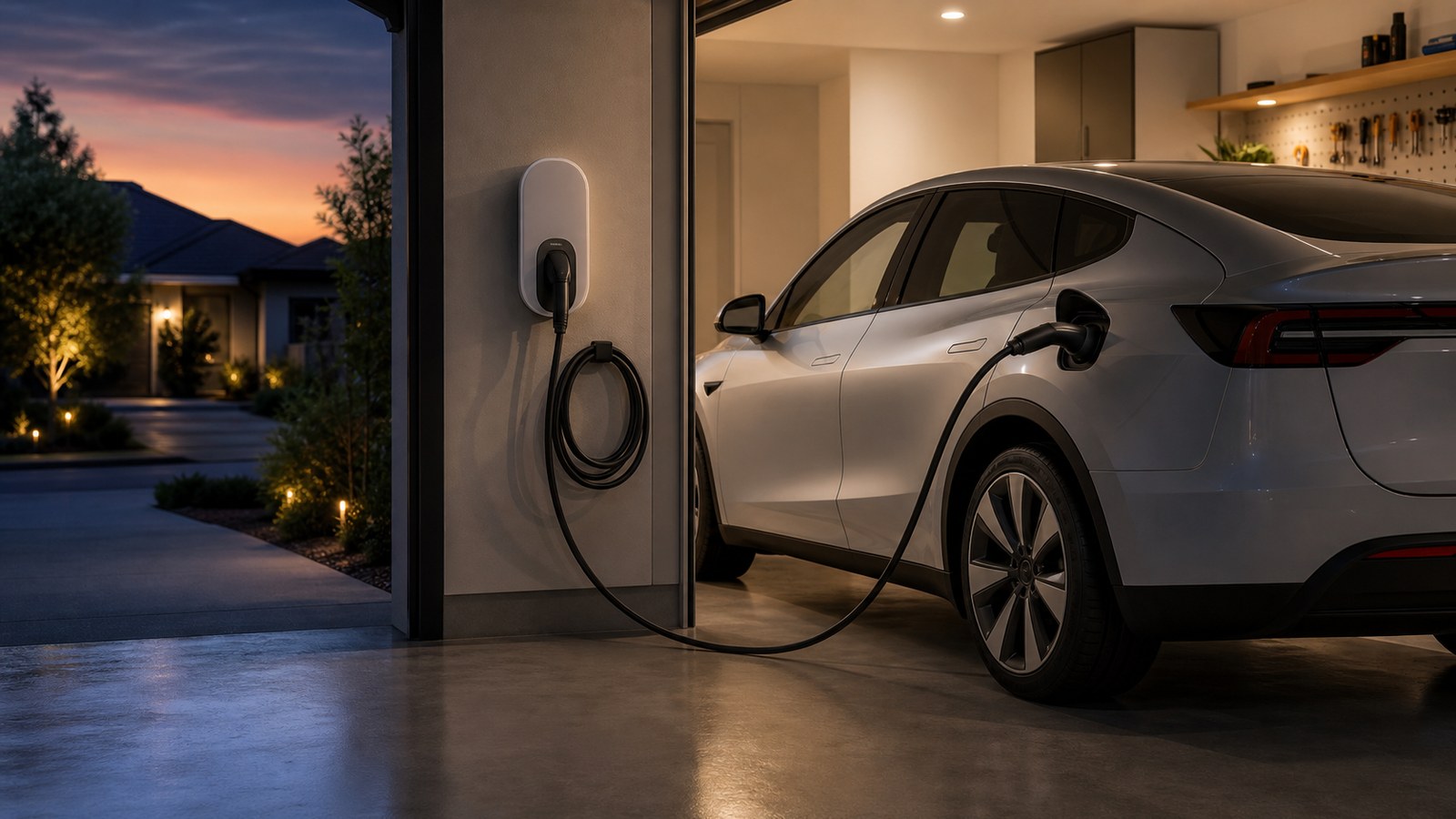
Because BEVs run exclusively on electricity, they produce no tailpipe emissions. Drivers recharge the battery by plugging the vehicle into a power source such as a home charger or a public charging station. Over the past decade, improvements in battery technology have dramatically increased the driving range of BEVs, making them practical for everyday commuting and even long-distance travel when combined with modern charging infrastructure.
How BEVs Deliver a Different Driving Experience
Driving a fully electric vehicle often feels noticeably different from driving a traditional gasoline car. Electric motors deliver power instantly, creating smooth acceleration and a responsive driving feel. The absence of engine vibrations and mechanical noise also results in a quieter and more refined ride. BEVs typically have fewer moving parts than internal combustion vehicles, which can reduce mechanical complexity and long-term maintenance needs. As charging networks expand and battery technology improves, fully electric vehicles are becoming one of the most attractive options for drivers seeking efficiency, sustainability, and modern driving technology.
What Is a Plug-In Hybrid Electric Vehicle (PHEV)?
A Plug-In Hybrid Electric Vehicle, or PHEV, combines the technologies of electric vehicles and gasoline-powered cars into a single system. These vehicles include both a rechargeable battery and a traditional internal combustion engine. The electric motor can power the vehicle independently for short distances, while the gasoline engine provides extended range once the battery charge is depleted.
Unlike traditional hybrids, plug-in hybrids can recharge their batteries by connecting to external charging sources. This allows drivers to operate the vehicle in electric-only mode for daily trips such as commuting or errands. When longer journeys require additional energy, the gasoline engine automatically activates to provide the necessary power.
The Flexibility of Plug-In Hybrid Technology
One of the biggest advantages of plug-in hybrid vehicles is their flexibility. Drivers can enjoy the benefits of electric driving for shorter trips while maintaining the security of a gasoline engine for longer travel. This combination makes PHEVs particularly appealing for drivers who are interested in electric mobility but may not yet have consistent access to charging infrastructure. Many plug-in hybrids offer an electric-only range of several dozen miles, which is enough to cover a large portion of typical daily driving. By using electricity for routine travel and gasoline for longer trips, PHEVs allow drivers to reduce fuel consumption without fully transitioning away from conventional fueling habits.
What Is a Hybrid Electric Vehicle?
Hybrid Electric Vehicles represent one of the earliest and most widely adopted forms of electrified transportation. Traditional hybrids combine a gasoline engine with a small electric motor and battery system. Unlike plug-in hybrids, however, hybrid vehicles cannot be recharged by plugging into an external power source.
Instead, hybrids generate electricity internally while driving. The electric motor assists the gasoline engine during acceleration and captures energy through regenerative braking when the vehicle slows down. This recovered energy is stored in the hybrid battery and reused later to improve efficiency and reduce fuel consumption.
How Hybrid Vehicles Improve Efficiency
The main goal of hybrid technology is to increase fuel efficiency rather than replace gasoline entirely. By using electric assistance during acceleration and low-speed driving, hybrids reduce the amount of work required from the gasoline engine. This leads to improved fuel economy and lower emissions compared with conventional vehicles. Because hybrids do not require external charging, they allow drivers to experience some benefits of electric technology without changing their fueling habits. For many drivers, hybrids represent an easy entry point into electrified transportation while maintaining the convenience of traditional gasoline refueling.
Comparing BEVs, PHEVs, and Hybrids
Although BEVs, PHEVs, and hybrids all use electric technology, they differ in how much they rely on electricity versus gasoline. Battery electric vehicles operate entirely on electricity and must be recharged using external power sources. Plug-in hybrids combine electric driving with gasoline backup, while traditional hybrids focus primarily on improving fuel efficiency through electric assistance.
These differences influence everything from daily driving habits to long-distance travel planning. Fully electric vehicles eliminate gasoline entirely but depend on charging infrastructure. Plug-in hybrids offer a middle ground by combining electric capability with gasoline flexibility. Traditional hybrids maintain the familiar experience of gasoline vehicles while using electric technology to improve efficiency.
Charging and Energy Sources
Charging behavior varies widely between the three vehicle types. BEV drivers typically charge their vehicles at home overnight or use public charging stations during travel. Because these vehicles rely completely on electricity, access to charging infrastructure plays an important role in their practicality. Plug-in hybrids also benefit from external charging, but they do not rely on it exclusively. Drivers can plug in to maximize electric driving, yet the gasoline engine ensures the vehicle can continue operating even if charging is unavailable. Traditional hybrids, on the other hand, recharge their batteries entirely through regenerative braking and engine-generated electricity.
Which Type of Electric Vehicle Is Best?
Choosing the right electrified vehicle depends largely on a driver’s lifestyle, commuting distance, and access to charging infrastructure. Drivers who have convenient home charging and predictable travel patterns may find that a battery electric vehicle provides the greatest efficiency and lowest operating costs.
Those who want electric driving with the reassurance of gasoline backup often prefer plug-in hybrids. Meanwhile, drivers who want improved fuel economy without changing their fueling routines may find traditional hybrids to be the most practical option.
The Future of Electrified Mobility
As battery technology continues improving and charging networks expand, fully electric vehicles are expected to play an increasingly dominant role in the automotive market. Advances in energy density, charging speed, and vehicle efficiency are steadily improving the capabilities of BEVs. At the same time, plug-in hybrids and traditional hybrids continue to serve as important transitional technologies. They help introduce drivers to electrified transportation while infrastructure and battery innovations continue evolving.
Understanding the Electric Vehicle Landscape
The shift toward electrified transportation represents one of the most significant transformations in automotive history. Battery electric vehicles, plug-in hybrids, and hybrid vehicles each represent a different stage in the evolution of electric mobility.
By understanding how these systems work and how they differ, drivers can make informed decisions about the technology that best fits their needs. Whether fully electric or partially electrified, these vehicles are shaping a future where transportation is cleaner, more efficient, and more technologically advanced than ever before.