Electric vehicles have transformed from niche technology into one of the fastest-growing segments of the automotive industry. As consumers increasingly embrace cleaner transportation, one question continues to spark curiosity: What exactly are EV batteries made of? The answer is far more fascinating than many people realize. Inside every electric vehicle battery lies a sophisticated combination of minerals, metals, and engineered materials that work together to store and deliver energy with incredible efficiency. While terms like lithium, nickel, cobalt, and graphite are frequently mentioned in discussions about EVs, few people understand the critical role each material plays in powering modern electric transportation. The battery pack is often described as the heart of an electric vehicle. It determines driving range, charging speed, performance, durability, and even the vehicle’s overall cost. Understanding the materials that make up these advanced batteries helps reveal why EV technology has become such a significant force in the global automotive market.
A: Most use lithium-ion cells containing materials such as lithium, graphite, nickel, cobalt, manganese, copper, aluminum, and electrolyte compounds.
A: Lithium ions carry energy between electrodes, making rechargeable EV battery operation possible.
A: Nickel helps increase energy density, which can support longer driving range.
A: Cobalt helps stabilize certain battery chemistries and improves safety and durability.
A: Graphite forms the anode material that stores lithium ions during charging.
A: No. Some chemistries, especially LFP batteries, do not rely on cobalt.
A: Yes. Many valuable materials can be recovered and reused in new batteries or other applications.
A: Many are designed to last for years of daily driving, often well beyond the warranty period.
A: LFP stands for lithium iron phosphate, a chemistry known for durability, safety, and lower material cost.
A: Yes. Researchers are developing new chemistries to improve range, charging speed, cost, and sustainability.
The Foundation of Modern EV Batteries
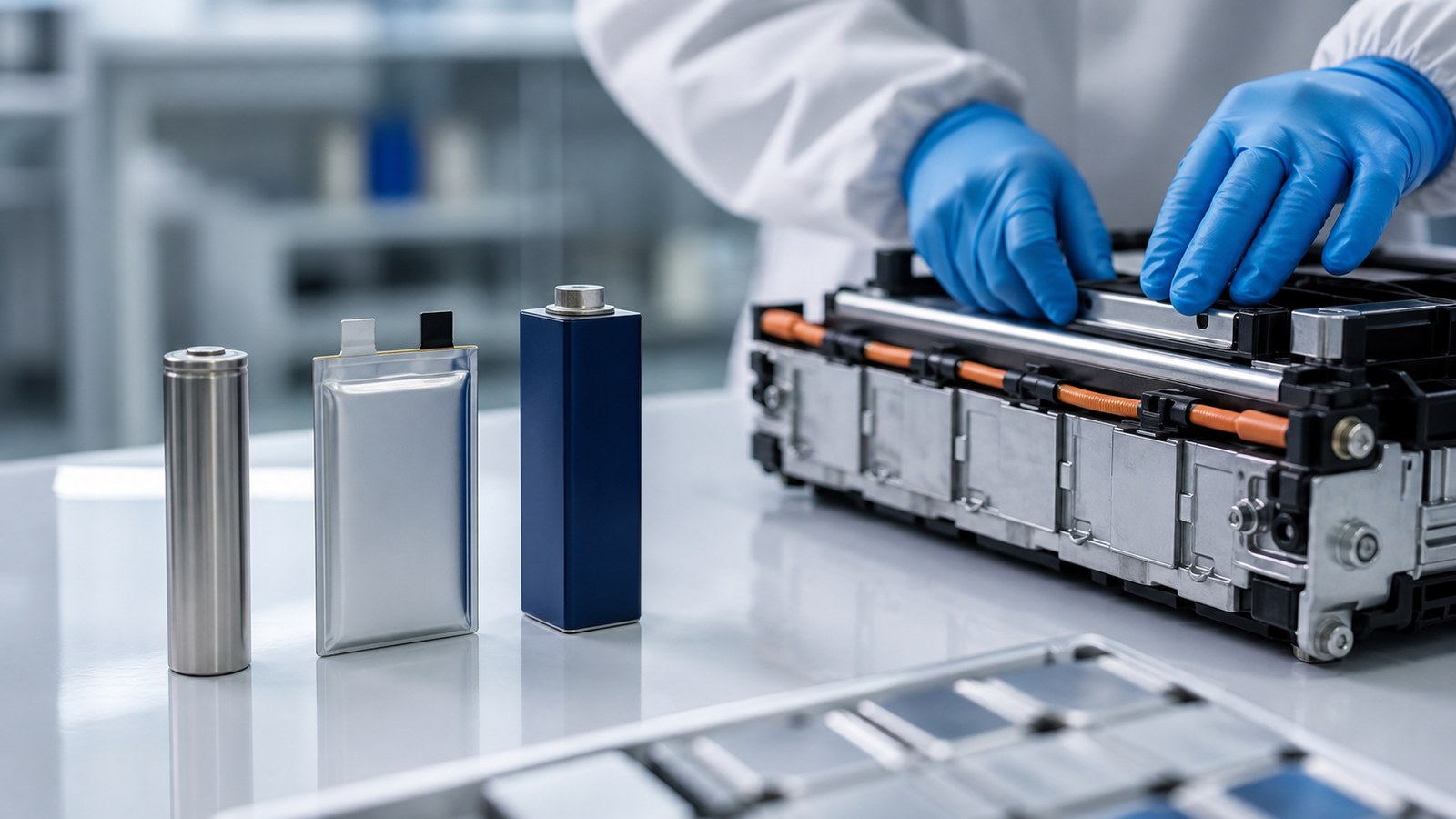
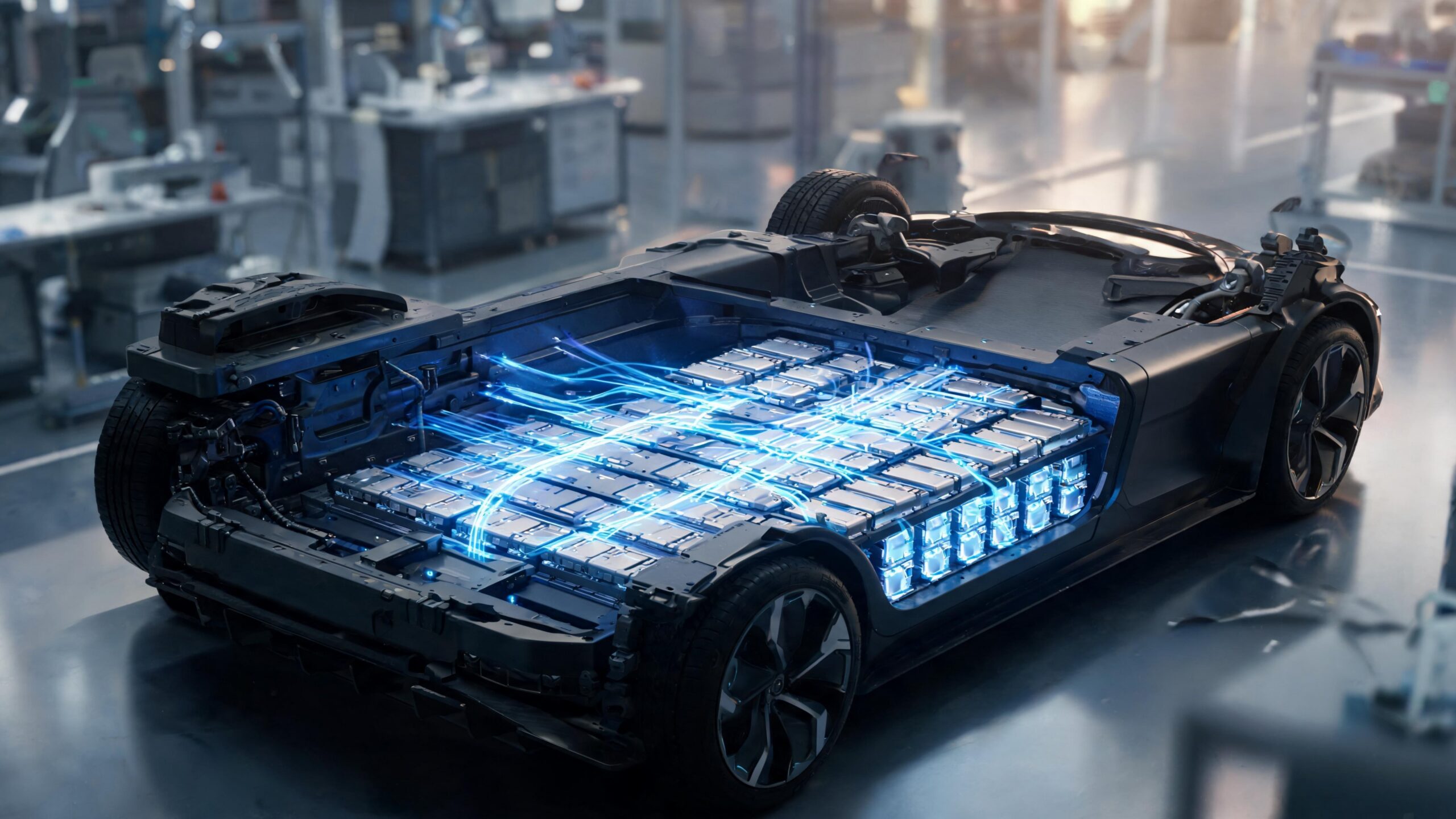
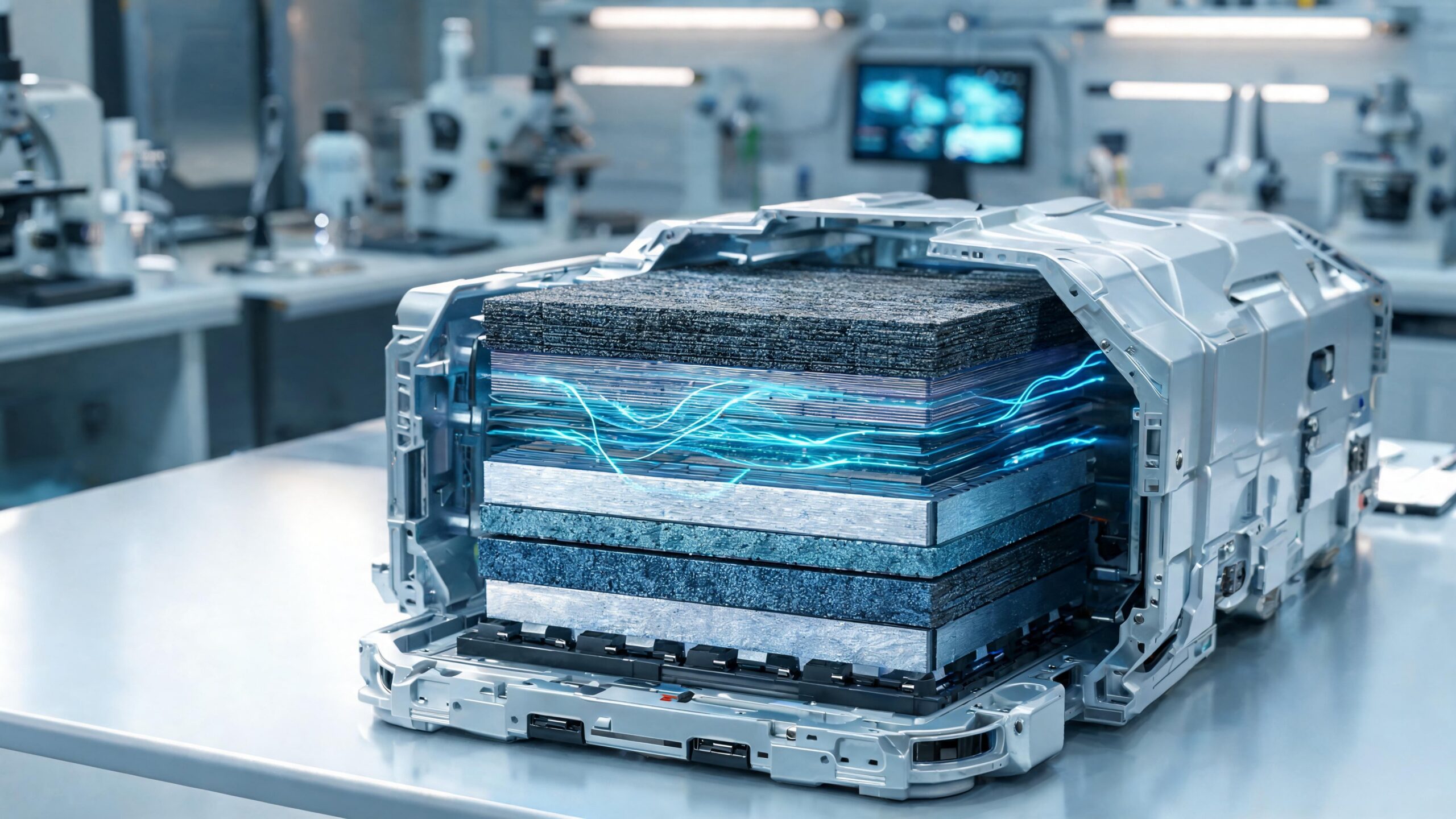
Most electric vehicles on the road today use lithium-ion batteries. Despite the name, lithium is only one part of a much larger and more complex system. A typical EV battery contains a combination of lithium, nickel, cobalt, graphite, manganese, copper, aluminum, and other supporting materials. These materials are carefully engineered into battery cells that store electrical energy through chemical reactions. When the driver presses the accelerator, those reactions release energy that powers the electric motor. When the vehicle is plugged in, the process reverses, restoring energy back into the battery. The effectiveness of an EV battery depends largely on the quality and composition of its raw materials. Each element contributes unique characteristics that influence performance, charging capabilities, longevity, and safety.
Lithium: The Star of the Show
Lithium has become synonymous with electric vehicles, and for good reason. It serves as the primary carrier of electrical energy inside modern battery cells. As one of the lightest metals on Earth, lithium offers an exceptional energy-to-weight ratio. This allows automakers to create batteries capable of storing significant amounts of energy without adding excessive weight to the vehicle. During charging and discharging, lithium ions move between the battery’s positive and negative electrodes. This movement creates the electrical flow that powers the vehicle.
One reason lithium has become so valuable is its ability to support high energy density. In practical terms, this means EVs can travel farther on a single charge while maintaining manageable battery sizes and weights. Lithium is primarily extracted from hard-rock mining operations and mineral-rich brine deposits. Major lithium-producing regions include Australia, Chile, Argentina, and China. As EV adoption continues to grow worldwide, demand for lithium remains one of the most closely watched trends in the battery industry.
Nickel: Extending Driving Range
Nickel has emerged as one of the most important materials in high-performance EV batteries. Its primary contribution is increasing energy density.
The more nickel included in certain battery chemistries, the more energy the battery can store. This directly translates into longer driving ranges, making nickel-rich batteries particularly attractive for automakers seeking to maximize vehicle performance. Modern battery chemistries often utilize nickel-rich cathodes because they can deliver greater capacity without dramatically increasing battery size. This helps manufacturers create vehicles capable of traveling hundreds of miles between charges.
Nickel also improves overall efficiency and can contribute to better acceleration and performance. However, higher nickel content introduces engineering challenges related to heat management and long-term stability, requiring sophisticated battery management systems. Indonesia, the Philippines, Russia, Canada, and Australia are among the world’s leading nickel producers. As electric vehicle production expands, nickel continues to play a central role in the development of next-generation battery technologies.
Cobalt: Stability and Safety
Cobalt is perhaps the most debated material in EV battery discussions. While it typically represents a smaller portion of battery chemistry than lithium or nickel, it performs a critically important function. Cobalt helps stabilize battery structures during charging and discharging cycles. This stability contributes to battery safety, durability, and overall lifespan. Without cobalt, many battery chemistries would be more susceptible to overheating and degradation. Its presence helps batteries maintain consistent performance over thousands of charging cycles. Despite its benefits, cobalt has attracted attention due to supply chain concerns and ethical sourcing challenges. Much of the world’s cobalt production comes from the Democratic Republic of Congo, where mining practices have faced scrutiny.
In response, automakers and battery manufacturers have invested heavily in reducing cobalt content while maintaining performance. Many newer battery designs use significantly less cobalt than earlier generations, and some emerging technologies aim to eliminate cobalt entirely. Even so, cobalt remains an important ingredient in many current EV batteries because of its proven ability to enhance safety and reliability.
Graphite: The Unsung Hero
While lithium often receives the spotlight, graphite is actually one of the largest components in a lithium-ion battery by weight. Graphite serves as the primary material in the battery’s anode, or negative electrode. During charging, lithium ions move into the graphite structure where they are stored until needed.
This storage capability makes graphite indispensable to modern battery performance. Without it, the battery would struggle to hold and release energy efficiently. Graphite offers several advantages. It is highly conductive, relatively stable, and capable of enduring thousands of charging cycles. These characteristics help improve battery longevity and reliability.
Natural graphite is mined from deposits around the world, while synthetic graphite is manufactured through industrial processes. Many EV batteries utilize a combination of both forms to optimize performance. As battery technology evolves, researchers continue exploring advanced graphite alternatives and enhancements, but graphite remains a cornerstone of today’s electric vehicle batteries.
Other Important Battery Materials
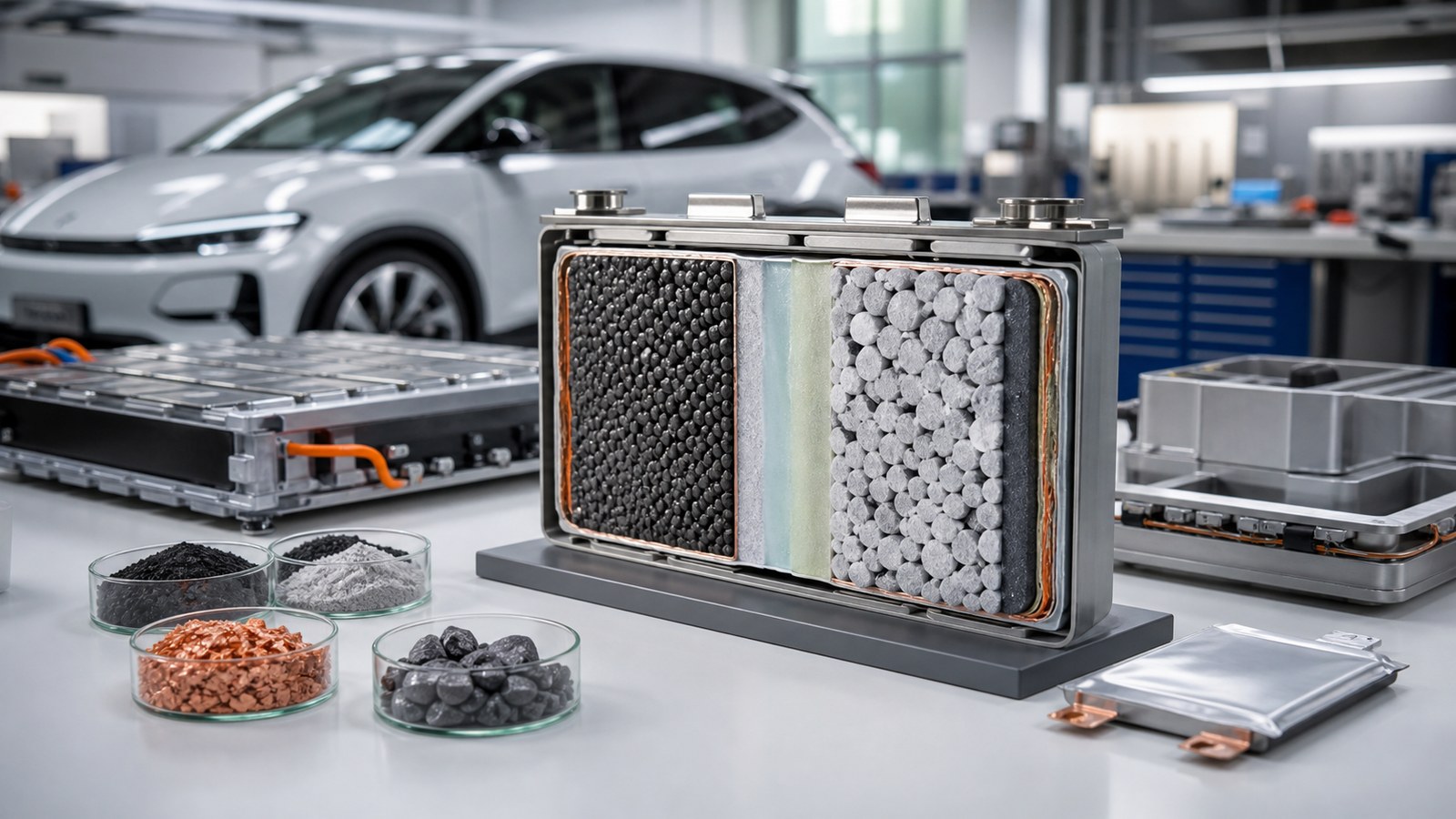
Although lithium, nickel, cobalt, and graphite receive most of the attention, several additional materials play crucial roles in EV battery construction. Manganese is often included in cathode formulations to improve stability and reduce costs. Copper serves as a highly conductive current collector, helping move electricity efficiently through the battery. Aluminum is commonly used in battery structures and current collectors due to its lightweight properties.
Electrolytes, typically composed of lithium salts dissolved in specialized solvents, enable the movement of lithium ions between electrodes. Separators act as safety barriers that prevent direct contact between battery components while allowing ions to pass through. Together, these materials form a highly sophisticated energy storage system capable of delivering remarkable performance under demanding conditions.
Why Battery Chemistry Matters
Not all EV batteries are created equal. Different battery chemistries use varying proportions of lithium, nickel, cobalt, manganese, and other materials. Some chemistries prioritize maximum driving range. Others focus on affordability, longevity, safety, or charging speed. Nickel Manganese Cobalt (NMC) batteries are among the most common in passenger vehicles. They offer a balanced combination of range, performance, and durability. Lithium Iron Phosphate (LFP) batteries have become increasingly popular due to their lower cost, excellent safety characteristics, and reduced dependence on nickel and cobalt. As battery technology advances, manufacturers continue experimenting with new combinations that deliver better performance while reducing costs and supply chain risks.
The Global Race for Battery Materials
The growing demand for electric vehicles has sparked a worldwide competition for critical battery materials. Governments, automakers, and mining companies are investing billions of dollars into securing reliable supplies of lithium, nickel, cobalt, and graphite. New mining projects, refining facilities, and recycling operations are being developed across multiple continents. Supply chain security has become a major strategic priority. Countries are working to establish domestic production capabilities while reducing dependence on foreign sources.
This global race extends beyond mining. Advanced processing and refining technologies are equally important because raw materials must undergo extensive preparation before they can be used in battery manufacturing.
Recycling and the Future of EV Batteries
One of the most exciting developments in the EV industry is battery recycling.
As electric vehicles age, their batteries contain valuable materials that can be recovered and reused. Recycling helps reduce environmental impacts while creating a secondary supply source for critical minerals. Modern recycling technologies can recover significant amounts of lithium, nickel, cobalt, and copper from used batteries. These recovered materials can then be reintroduced into the manufacturing process.
Researchers are also exploring next-generation battery technologies, including solid-state batteries, silicon-enhanced anodes, and alternative cathode materials. These innovations could further improve energy density, charging speed, safety, and sustainability. While future battery designs may evolve, many of today’s foundational materials will likely remain essential components of electric transportation.
Final Thoughts
Electric vehicle batteries are remarkable engineering achievements built from a carefully balanced combination of materials. Lithium provides energy storage capabilities, nickel boosts driving range, cobalt enhances stability and safety, and graphite serves as the foundation for efficient energy storage within the anode.
Together, these materials make modern electric vehicles possible, enabling cleaner transportation, impressive performance, and continually improving driving experiences. As technology advances and new innovations emerge, understanding the role of these critical battery materials offers valuable insight into the future of mobility. The next time you see an electric vehicle silently glide down the road, remember that beneath its sleek exterior lies a sophisticated blend of lithium, nickel, cobalt, graphite, and other advanced materials working together to power the transportation revolution.