Battery Chemistry Shapes the Personality of an EV
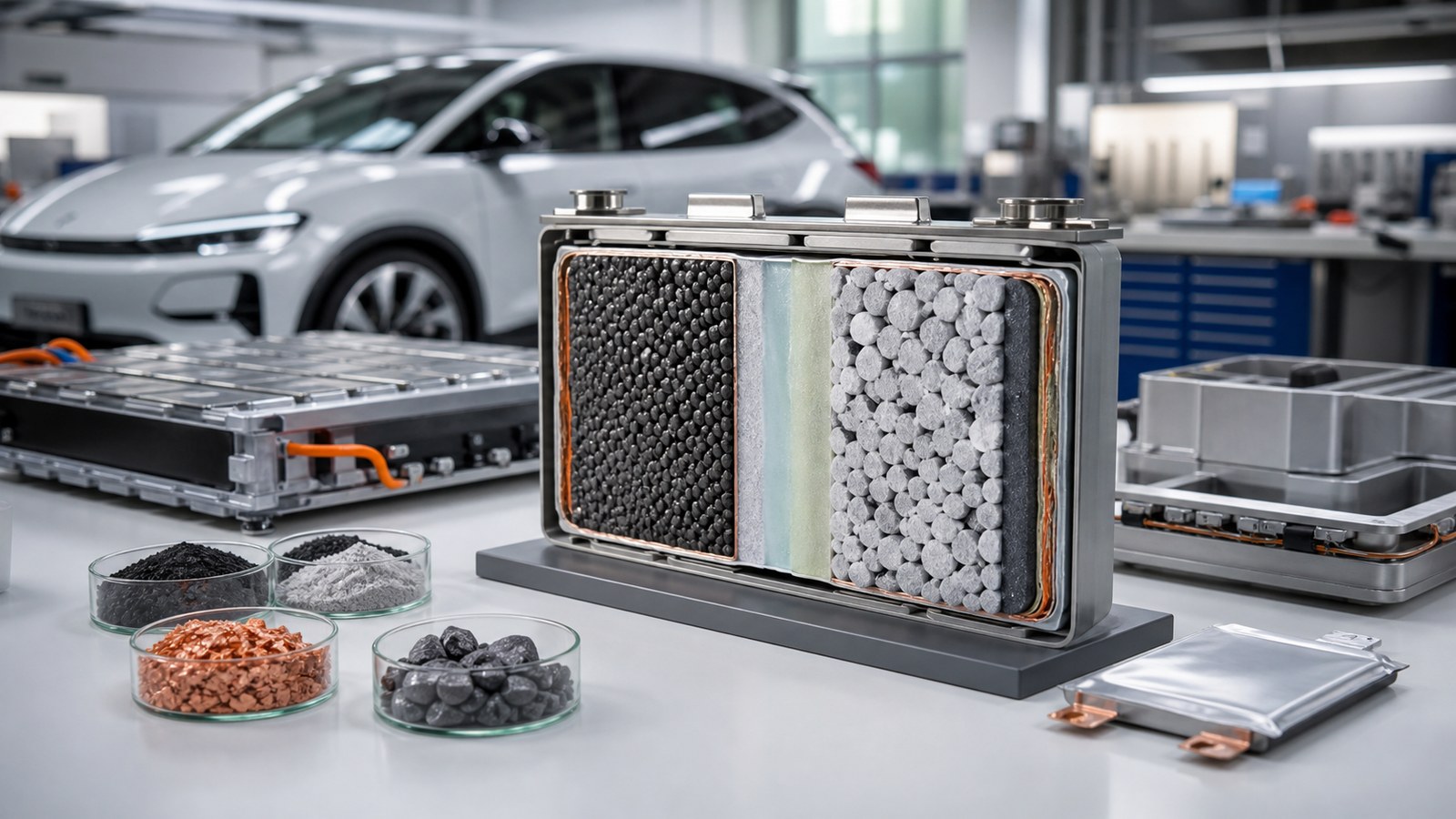
EV battery chemistry is the mix of materials inside the cells that helps determine how much energy the battery stores, how much it costs, how it charges, how long it lasts, how it handles heat, and how it performs. Three common chemistry names shoppers may see are LFP, NMC, and NCA. LFP stands for lithium iron phosphate, NMC stands for nickel manganese cobalt, and NCA stands for nickel cobalt aluminum. Those names sound technical, but the practical differences are easier to understand. Some chemistries emphasize lower cost and long life. Others emphasize higher energy density and strong performance. No chemistry is perfect for every vehicle. Automakers choose based on price, range target, vehicle size, supply chain, charging goals, and customer expectations.
A: It depends on the goal; LFP often favors cost and durability, while NMC can favor energy density.
A: No, but it is often used where high energy density is valuable.
A: Higher energy density can store more energy in less space or weight.
A: No, charging depends on chemistry, cooling, pack design, software, and charger power.
A: LFP is often praised for cycle life, but real lifespan depends on design and use.
A: Some buyers prefer lower-cobalt chemistries, but supply chains and sourcing vary by automaker.
A: Yes, formulas, cell design, cooling, and software can differ significantly.
A: It can be more temperature-sensitive, but good thermal management helps.
A: No, range reflects battery size, chemistry, efficiency, and vehicle design.
A: Chemistry sets tradeoffs, but the vehicle's complete battery system determines the experience.
Why Chemistry Matters
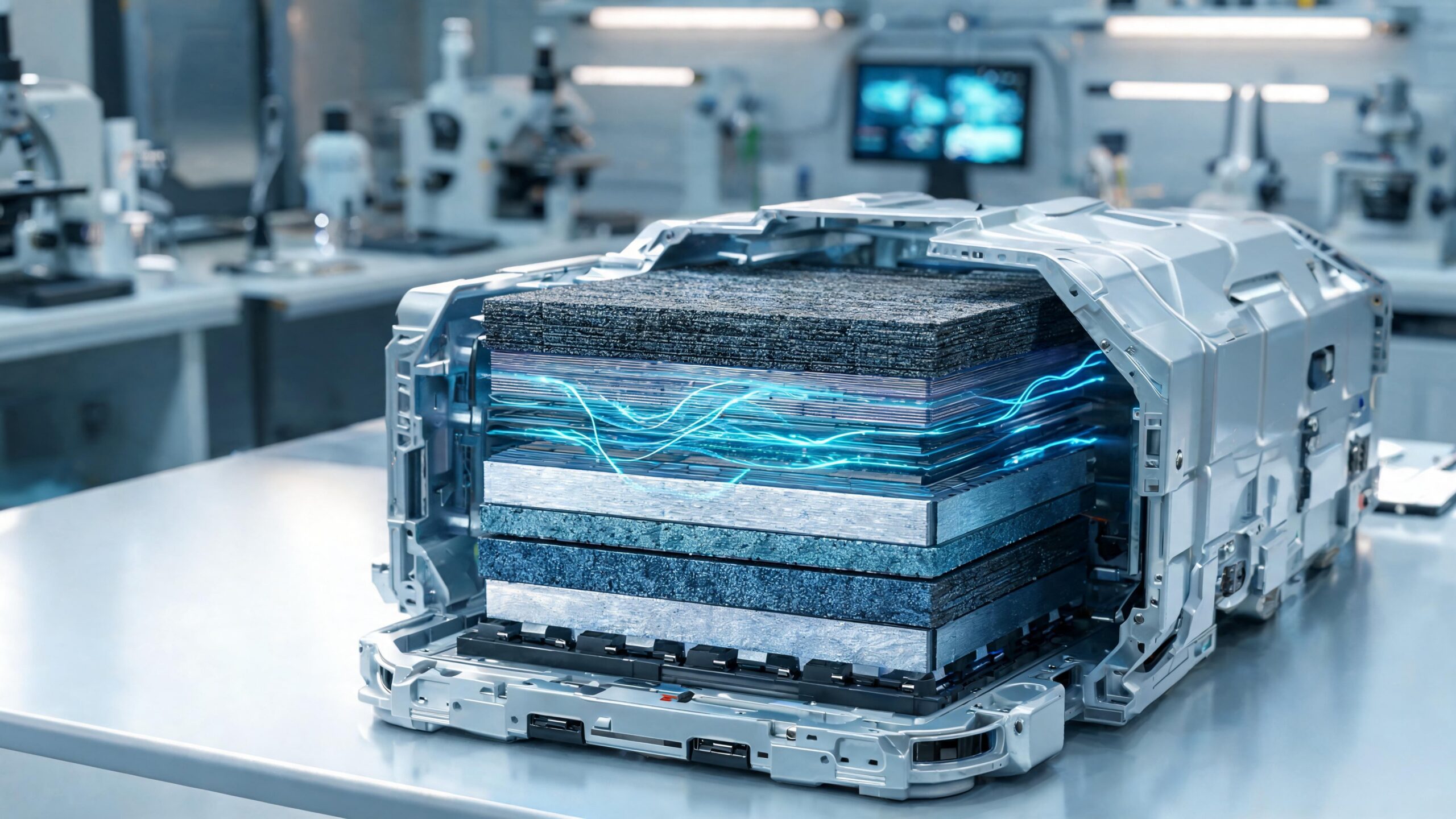
The chemistry inside an EV battery affects how the cell stores and releases energy. It influences the cathode, which is one of the most important parts of a lithium-ion cell. Different cathode materials create different strengths and weaknesses, so automakers choose chemistry based on the vehicle’s mission.
A budget-friendly commuter EV may not need the highest possible energy density if it can offer good range at a lower price. A large luxury SUV may need a chemistry that packs more energy into limited space. A performance vehicle may require cells that can deliver strong power repeatedly. Chemistry is part of how those goals are achieved.
Chemistry also affects manufacturing strategy. Materials must be sourced, processed, assembled, and recycled at enormous scale. A chemistry that reduces reliance on scarce or expensive metals can help automakers stabilize cost, while a chemistry with higher energy density can help them build longer-range vehicles without making the pack too large.
It is also important not to treat chemistry as destiny. Pack design, cooling, software, cell format, manufacturing quality, and driving conditions all shape the final experience. A well-managed battery with a modest chemistry can outperform expectations, while a poorly managed high-energy pack can disappoint.
LFP: Lithium Iron Phosphate
LFP batteries use lithium iron phosphate in the cathode. Their big appeal is stability, durability, and lower reliance on nickel and cobalt. Because iron and phosphate are widely available compared with some other battery materials, LFP can help reduce cost and supply-chain pressure.
The tradeoff is energy density. LFP cells usually store less energy per unit of weight or volume than nickel-rich chemistries. That means an automaker may need a larger or heavier pack to achieve the same range. For standard-range models, city cars, fleet vehicles, and value-focused EVs, that tradeoff can be worthwhile.
Many LFP-equipped EVs also have different charging guidance. Some manufacturers are comfortable with routine charging to a high percentage for LFP packs. Owners should still follow the vehicle manual, because chemistry is only part of the recommendation. Software, buffers, and calibration matter too.
NMC: Nickel Manganese Cobalt
NMC batteries use nickel, manganese, and cobalt in the cathode. This chemistry family is common because it can provide a strong balance of energy density, power, and packaging flexibility. It has been used across many mainstream and long-range EVs.
The letters NMC do not describe one exact recipe. Automakers and suppliers adjust the ratio of nickel, manganese, and cobalt. Higher nickel content can increase energy density, while other materials help with stability, cost, and performance. That means two NMC batteries can behave differently even if they share the same broad chemistry label. NMC packs often work well when a vehicle needs good range without a physically enormous battery. The tradeoffs include material cost and the need for careful thermal and charge management, especially in nickel-rich versions. Good engineering can manage those concerns, but they remain part of the chemistry’s profile.
NCA: Nickel Cobalt Aluminum
NCA batteries use nickel, cobalt, and aluminum in the cathode. Like some NMC formulas, NCA is associated with high energy density. That can help an EV travel farther without making the pack excessively large or heavy.
High energy density is valuable, but it brings responsibilities. NCA cells need careful management of heat, charging, and operating limits. The cooling system and battery management software are central to getting consistent performance and long life. In other words, NCA is not just a chemistry choice; it is a system-design choice.
For drivers, that means the chemistry’s benefits show up only when the whole vehicle supports them. A strong thermal system, conservative safety limits, and careful calibration allow a high-density pack to feel normal in daily use rather than delicate or demanding.
Range, Cost, and Weight Tradeoffs
A battery chemistry decision often starts with energy density and cost. Higher energy density can support more range or a smaller pack. Lower-cost materials can make an EV more affordable. Unfortunately, the same chemistry rarely wins every category at once.
LFP can be cost-effective and durable, but it may require more pack mass for long range. NMC can balance range and performance, but material costs and sourcing matter. NCA can support high energy density, but it requires sophisticated management. Automakers choose the compromise that matches the vehicle and buyer.
This is why two trims of a similar EV may use different batteries. A standard-range version may prioritize value, while a long-range or performance version may prioritize energy density and output. The chemistry supports the product strategy.
Weight is part of that strategy. If a chemistry needs more mass to reach a range target, the vehicle may need stronger suspension, different tires, or more structure. If a chemistry stores more energy in less space, the automaker may use that advantage for range, performance, or interior packaging.
Charging and Daily Ownership
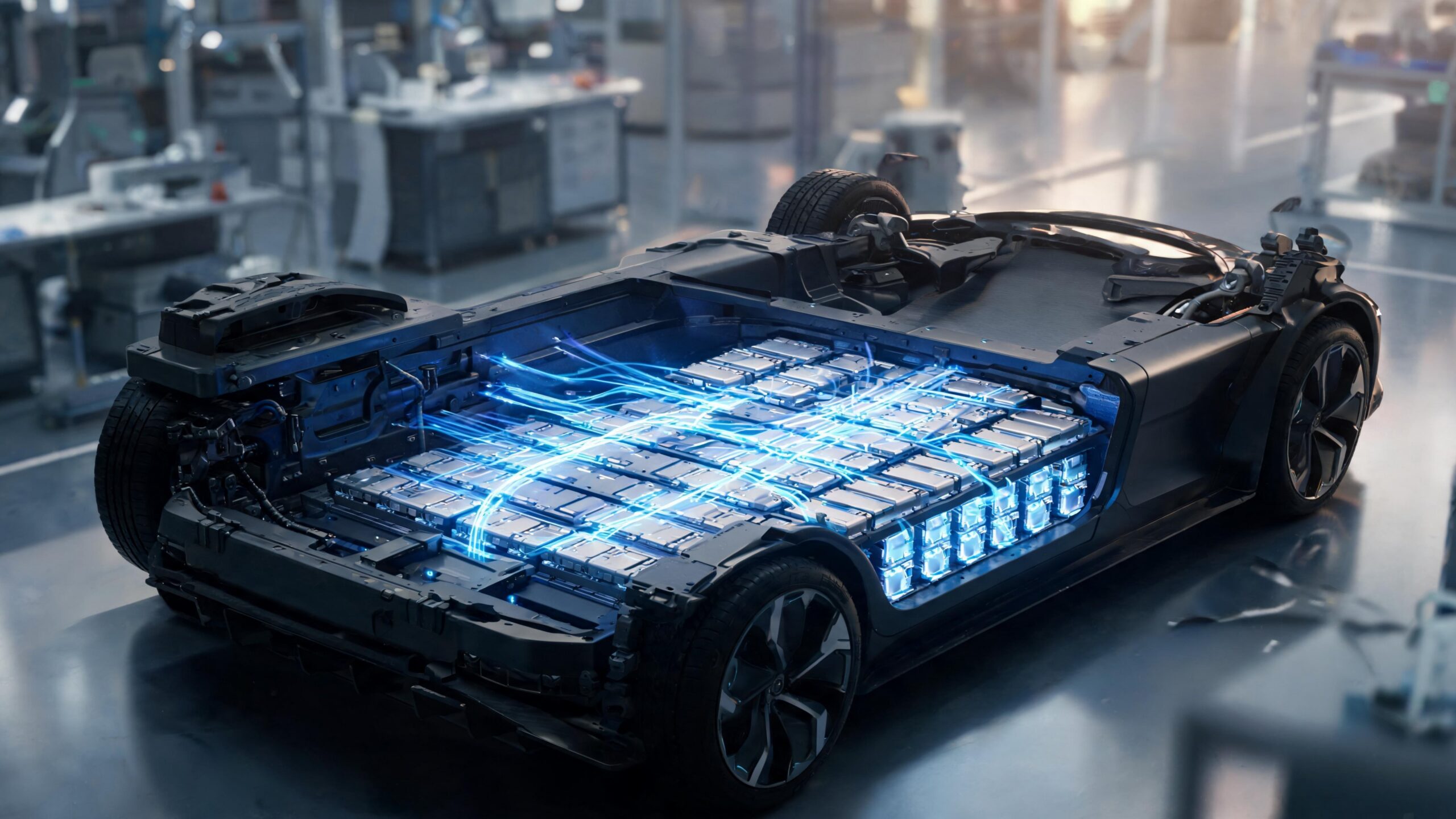
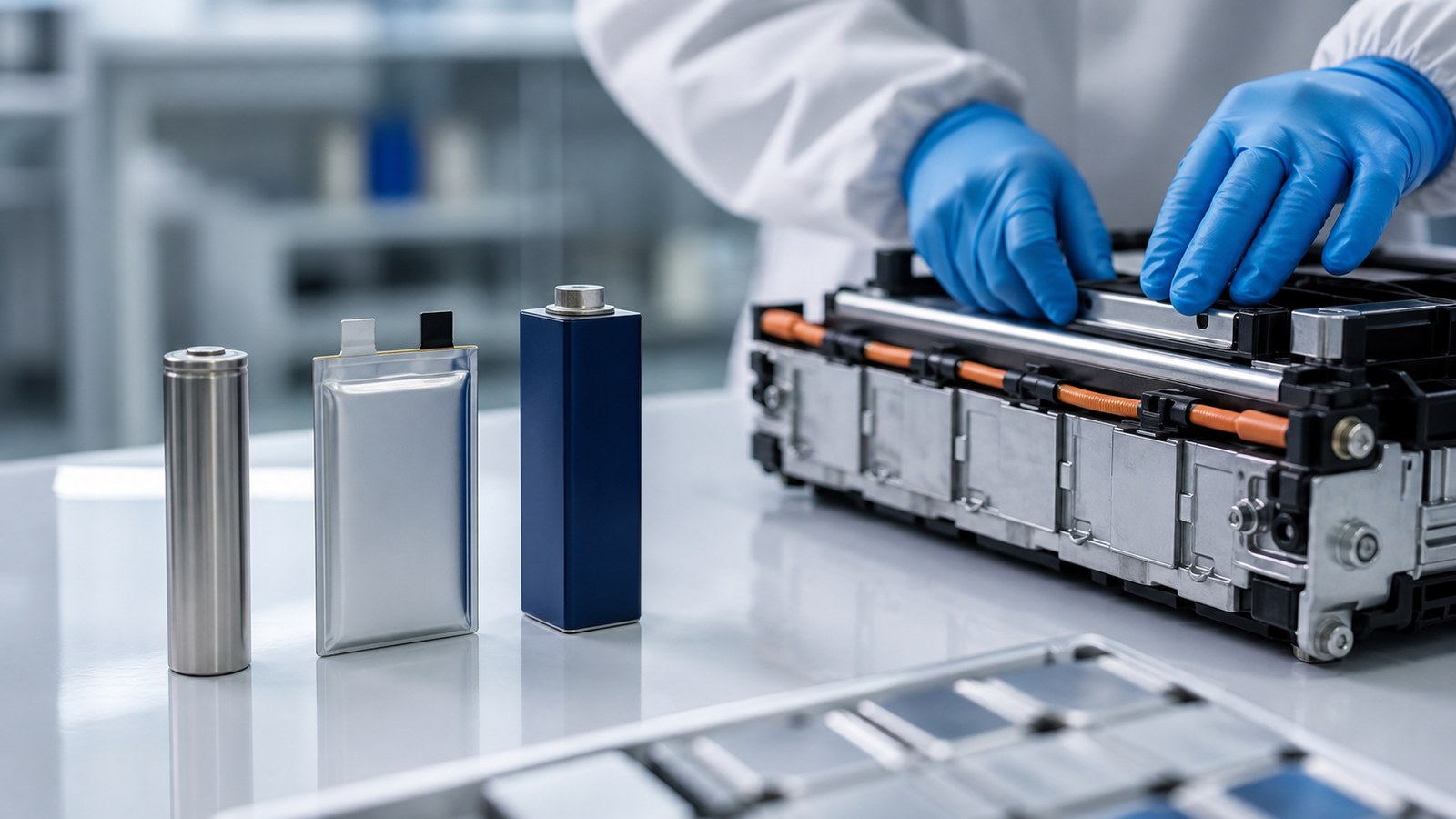
Chemistry affects charging, but it does not act alone. The pack’s cooling system, cell format, voltage, battery management system, and charging software all influence how quickly and safely energy enters the battery. A chemistry known for durability can still charge poorly if the system around it is weak.
Drivers experience chemistry through practical behaviors: how much range the car has, how quickly it fast charges, how it performs in cold weather, what daily charge limit is recommended, and how capacity changes over years. Those behaviors matter more than the chemistry acronym by itself.
Safety and Lifespan
All mainstream EV chemistries are engineered with safety systems, but they have different inherent characteristics. LFP is often praised for thermal stability. Nickel-rich chemistries can store more energy, so they require careful control. The final safety picture depends on cell design, pack structure, cooling, sensors, software, and manufacturing quality.
Lifespan also depends on more than chemistry. Temperature exposure, charging habits, mileage, storage conditions, and software limits all matter. A well-managed NMC or NCA pack can last a long time, and an LFP pack still benefits from sensible care. Chemistry sets tendencies; ownership and engineering shape outcomes.
That is why battery warranties usually focus on real capacity retention rather than chemistry labels. The buyer wants to know how the pack is protected over time, not only what letters describe the cathode. Good warranty terms, transparent guidance, and proven thermal design can matter as much as the chemistry name.
How Buyers Should Use Chemistry Information
Battery chemistry is useful, but it should not be the only buying criterion. Shoppers should also look at range, efficiency, charging curve, warranty, cold-weather performance, price, and real owner use cases. A chemistry that looks ideal on paper may not be ideal for a specific driver.
For daily commuting with home charging, LFP may be excellent. For long highway trips where pack size and charging performance matter, NMC or NCA may be attractive. For fleets, cost and cycle life may dominate. For performance buyers, power delivery and thermal consistency may matter most.
The right question is not which acronym sounds most advanced. The right question is whether the battery supports the way the vehicle will be used. A chemistry that is perfect for a delivery fleet may not be the best choice for a luxury performance sedan, and the reverse can also be true.
The beginner takeaway is simple: LFP, NMC, and NCA are different ways to balance range, cost, durability, performance, and materials. The best battery is the one that fits the vehicle’s purpose and the driver’s life.
Why Automakers Mix Chemistries
Automakers may use more than one chemistry because different customers need different things. A lower-priced trim can use LFP to keep cost down and support durable daily use. A long-range trim can use NMC or NCA to increase energy density. A performance trim may need cells that support higher power and stronger thermal behavior.
This strategy also reduces risk. If one material becomes expensive or difficult to source, a brand with multiple chemistry options has more flexibility. That flexibility can help keep EV production moving while battery technology continues to evolve.
This mix-and-match approach lets a brand serve several buyers without pretending one battery recipe solves every problem. It also gives automakers flexibility when material prices, supply chains, or regulations change. Chemistry is part of product planning as much as engineering.
For shoppers, that means the same vehicle name may not tell the whole battery story. Two trims can look similar outside but use different packs inside. Reading the specifications and charging guidance is more useful than assuming every version behaves the same.
It also means advice should be specific. A charging habit that fits one chemistry and automaker recommendation may not be the right habit for another vehicle. The owner’s manual is more important than a broad internet rule about one acronym.
Recycling and Material Concerns
Battery chemistry also affects recycling and sourcing conversations. Nickel, cobalt, lithium, iron, phosphate, manganese, aluminum, graphite, and copper all have supply chains. Some materials raise more cost or ethical concerns than others. Automakers are under pressure to reduce risk, improve traceability, and recover valuable materials at the end of battery life.
LFP reduces reliance on nickel and cobalt, which can help with cost and sourcing concerns. Nickel-rich chemistries can reduce pack size for a given range, which may lower some vehicle-level material needs. There is no impact-free option, so better mining, cleaner production, longer battery life, and recycling all matter.
The Practical Comparison
If you want value, durability, and a straightforward daily commuter, LFP can be very appealing. If you need long range in a limited space, NMC or NCA may fit better. If you care about repeated high performance, chemistry must be paired with cooling and power electronics that can support it.
The best comparison is not a scoreboard where one acronym wins forever. It is a set of tradeoffs. LFP, NMC, and NCA each represent a different answer to the same question: how should this EV store energy safely, affordably, and usefully for its intended driver?
That answer will keep changing as cell design improves. Future chemistries, lower-cobalt formulas, sodium-ion options, solid-state research, and better recycling may shift the balance. For now, LFP, NMC, and NCA remain useful landmarks for understanding today’s EV market.
For most buyers, that means chemistry should inform the decision rather than dominate it. The badge on the battery matters, but the complete EV experience matters more.
The smartest choice is the chemistry that fits the mission.