Affordable Electric SUVs Need Real-World Value
Affordable electric SUVs under $50K can be some of the most practical EVs because they combine family-friendly space, elevated seating, everyday range, and the chance to charge cheaply at home. The challenge is that under-$50K pricing can shift with trim, destination fee, incentives, dealer inventory, and equipment packages. A smart budget SUV choice is not simply the lowest advertised price. It is the EV that delivers enough range, charging speed, comfort, warranty confidence, cargo room, and ownership-cost control without forcing the buyer into expensive upgrades that erase the value.
A: The best pick depends on local price, charging access, family space, insurance, warranty, and range needs.
A: Usually no. Taxes, destination, fees, options, and incentives can move the final number.
A: Prioritize enough range for real use, then find the lowest total cost that still feels comfortable.
A: It can be useful in snow or for performance, but it may cost more and reduce efficiency.
A: Some can, especially with good charging speed and route planning, but highway range should be checked.
A: They can be excellent values when battery condition, warranty, and service records are clear.
A: Often they raise tire cost and reduce efficiency, so budget buyers should be cautious.
A: Yes, if they have a reliable charging plan beyond occasional fast charging.
A: Rear-seat fit, cargo shape, safety features, climate comfort, and predictable charging matter most.
A: Use total cost over several years rather than only monthly payment or advertised MSRP.
Start With the Real Price
Affordable electric SUVs can look simple on a ranking page, but the price that matters is the one a buyer can actually sign for. Destination charges, state taxes, dealer fees, paint, wheel packages, all-wheel drive, and charger installation can push a nominally affordable SUV into a different budget category. Incentives can pull it back down, but only when the vehicle and buyer qualify.
A good under-$50K comparison should use the same method for every candidate. Build a realistic out-the-door estimate, add the home charging plan, collect insurance quotes, and then compare vehicles. That process prevents a low starting price from hiding expensive ownership details.
Why This Segment Matters
The affordable electric SUV category matters because it is where EV practicality meets mainstream family expectations. Buyers want room for people, groceries, sports gear, commuting, and weekend travel without paying luxury prices. If the vehicle can charge at home, the daily cost advantage can be substantial.
This segment is also where compromise becomes visible. A buyer may give up premium materials, extreme acceleration, or maximum range, but should not give up the basics of safety, comfort, charging confidence, and warranty clarity.
The best budget SUVs feel ordinary in the best way: easy to park, easy to charge, easy to live with, and not stressful to finance.
Range Needs Should Be Personal
A budget SUV does not need the longest range in the market. It needs enough range for the driver’s life. A household with a 35-mile daily routine and home charging can be happy with less rated range than a family that drives long winter highway routes every weekend. The right range number is personal, not universal.
Shoppers should build a range estimate around normal days, bad-weather days, and occasional trips. That gives a more useful answer than simply sorting by the biggest battery.
Charging Access Changes the Value
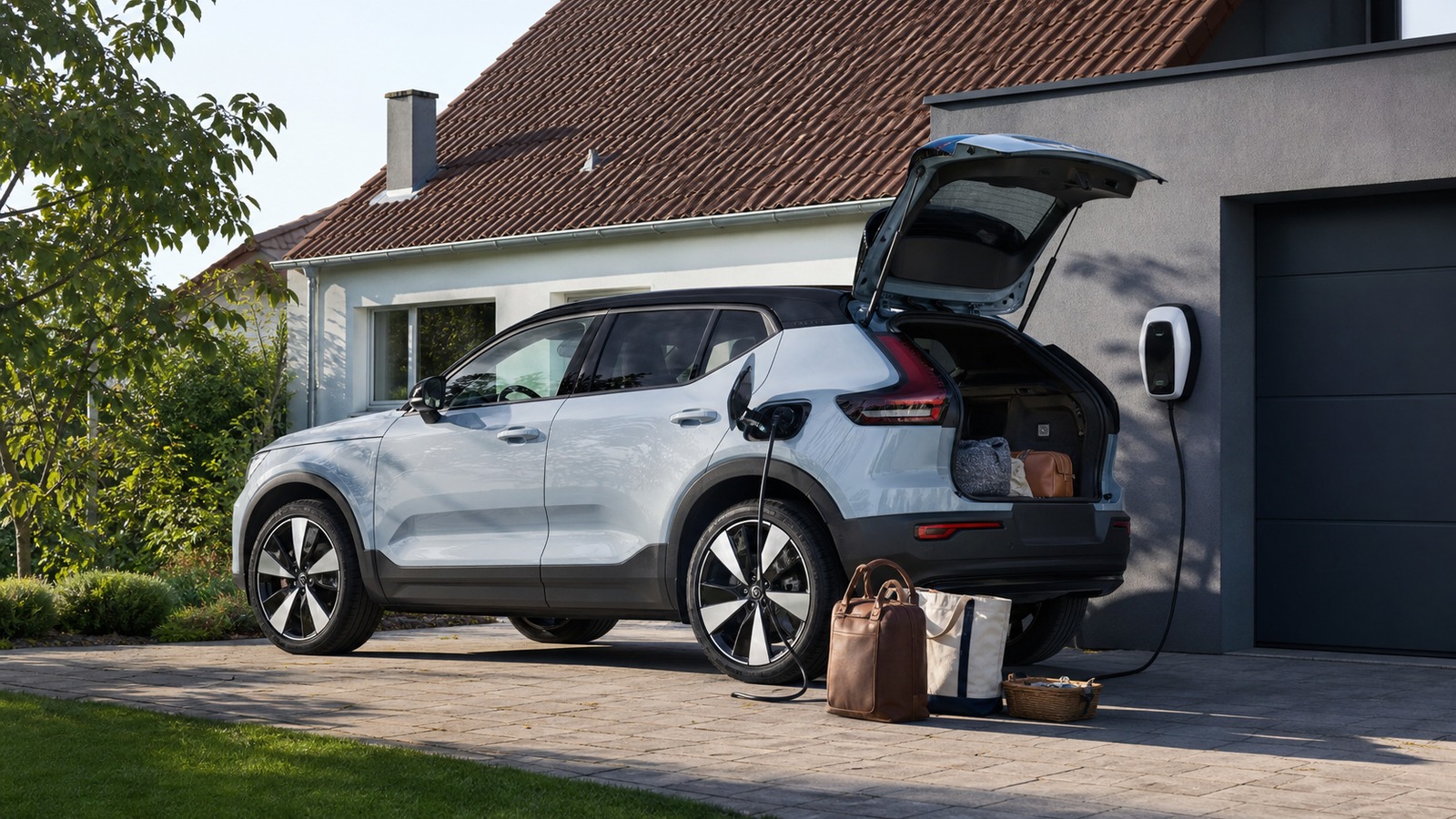
Home Level 2 charging can make an affordable electric SUV feel more convenient than a gasoline vehicle. The car starts each day with planned range, and the owner skips many fuel stops. Without home or workplace charging, the same SUV may require more public charging time and higher energy cost.
Public charging matters for trips, apartments, and backup plans. Buyers should check connector access, charger reliability, payment apps, and route planning before assuming every EV works equally well.
The best budget choice is often the one that fits the owner’s charging routine, not the one with the most dramatic advertised number.
Interior Space Is Not Optional
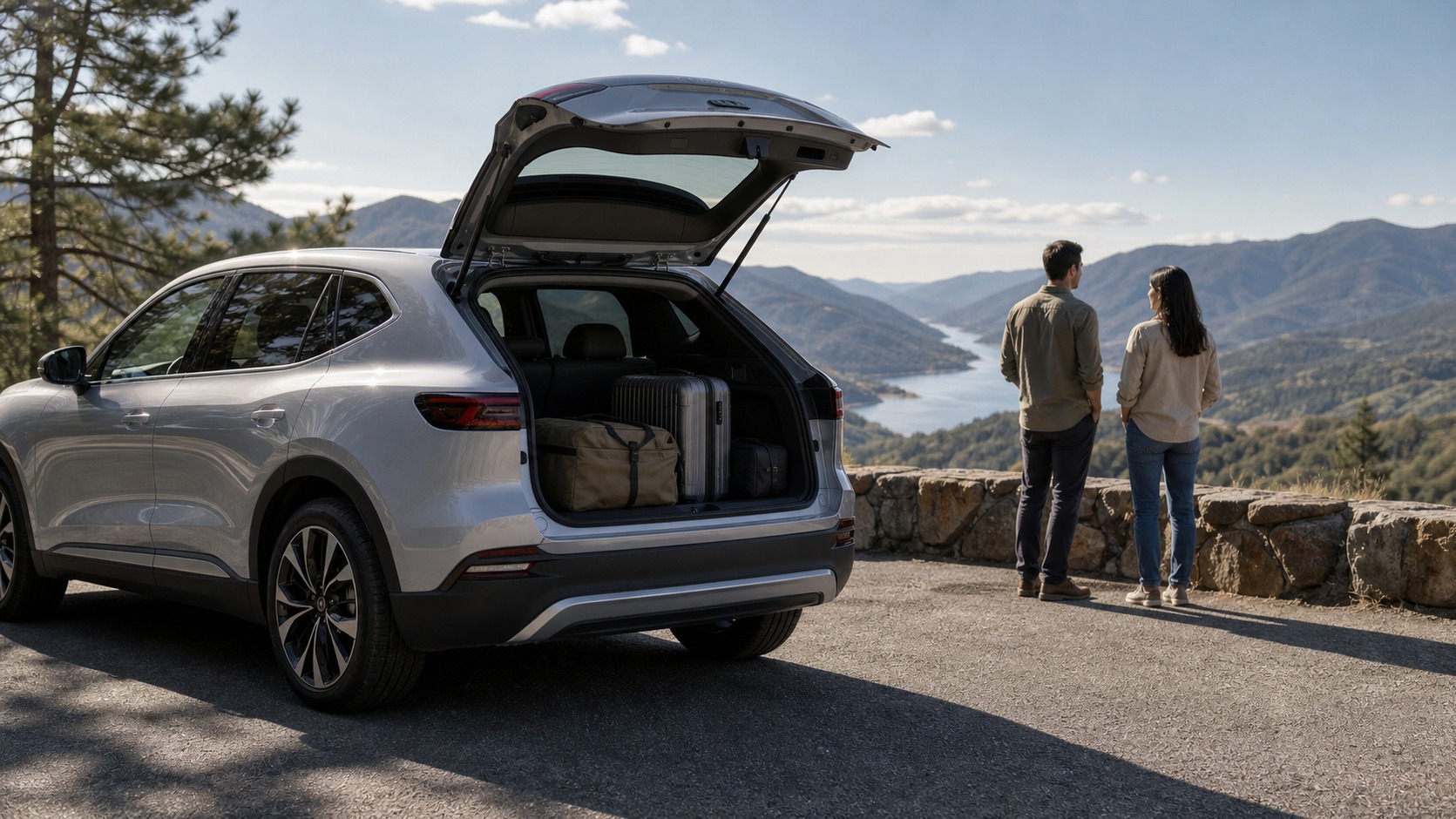
SUV buyers usually choose the shape for space and access. That means the rear seat, cargo opening, roof height, hatch clearance, and cabin storage should be tested carefully. A vehicle that looks roomy in photos may not fit child seats or tall passengers as well as expected.
Cargo shape matters as much as cargo volume. A deep floor, high liftover, sloped hatch, or awkward cable storage can make a practical SUV feel less useful.
Trim Choice Can Protect the Budget
The best value trim is often one step above the bare minimum, but not always. Heated seats, heat pump availability, driver-assistance features, faster charging, and better tires may be worth paying for. Oversized wheels, appearance packages, and luxury audio may not be. A buyer should also ask whether the trim preserves resale value. The lowest trim may be hard to resell if it lacks range or charging equipment shoppers expect, while the highest trim may be too expensive to recover its premium later.
Budget shoppers should separate comfort and safety from decoration. The goal is to buy the equipment that improves ownership without turning an affordable SUV into a premium-priced compromise.
This is where test drives help. Features that sound important online may not matter in person, while a basic seat or control layout can become a daily annoyance.
Ownership Costs Beyond Charging
EV SUVs can save money on energy and some maintenance, but they still have meaningful costs. Tires can be expensive because SUVs are heavier and often use larger wheel sizes. Insurance can vary widely by model, repair cost, sensor package, and local claim history. Insurance and tires are especially important because they can vary by trim and wheel package. A vehicle that saves money on electricity can still disappoint if the annual premium or tire bill is far above expectations.
Registration fees, charger installation, financing, depreciation, and public charging should also be included. An affordable EV is not truly affordable if the owner ignores the expenses that arrive after purchase.
Used and Lease Options
A used electric SUV can be the best value if the battery warranty, service records, and charging compatibility are clear. Early depreciation can make a higher-quality model fit the same budget. The tradeoff is that used inventory may vary widely by region. Used and lease paths also help buyers manage technology change. If charging standards, incentives, or battery options shift quickly, a lease or carefully chosen used SUV can reduce the pressure to predict long-term resale perfectly.
Leasing can also make sense when incentives flow through the lease, technology is changing quickly, or resale risk feels uncertain. The buyer still needs to check mileage limits, fees, and end-of-lease conditions.
Neither path is automatically better. The right choice depends on how long the driver keeps vehicles, how many miles they drive, and how much risk they want to carry.
The Under-$50K Shortlist Method
A practical shortlist should include one lowest-cost option, one best-range option, one best-family-fit option, and one used or lease alternative. That structure keeps the shopper from chasing only price or only range. It also makes tradeoffs easier to see. A shortlist should also include availability. The best theoretical SUV under $50K is not useful if local inventory, delivery timing, or dealer pricing makes it unreachable.
Once the shortlist is built, drive the candidates on ordinary roads. Try parking, highway merging, rough pavement, climate controls, cargo loading, and charging information. A budget SUV should feel easy before it feels exciting.
The Bottom Line
Affordable electric SUVs under $50K can deliver excellent value, but only when the buyer looks beyond the headline price. Range, charging access, interior practicality, warranty, insurance, tire costs, and incentives all shape the real deal. Buyers should revisit the numbers after the test drive, because excitement can make a stretch purchase feel smaller than it is. The right affordable SUV should still make sense when the spreadsheet is cold.
The best pick is the SUV that makes daily family life easier without stretching the budget thin. If it charges predictably, carries the people and gear, and keeps ownership costs visible, it belongs near the top of the list.
That is the real definition of budget-friendly: not merely cheap, but usable, durable, and calm to own.
The final decision should feel clear after the buyer compares cost, charging, comfort, range, and the way the vehicle will actually be used.
How Incentives Change the List
Incentives can rearrange the affordable SUV list quickly. A model that looks too expensive before incentives may become competitive through a lease structure, state rebate, or utility program. Another model may advertise a low price but fail to qualify for the same support.
That is why buyers should compare final numbers rather than national headlines. The best budget pick in one state or tax situation may not be the best pick somewhere else.
Incentives also change how buyers should compare leases and purchases. A lease may pass through support that is harder to use on a purchase, while a purchase may create stronger long-term value if the buyer keeps vehicles for many years. The best affordable-SUV deal is the one that still works after eligibility rules and ownership length are clear.
Why Charging at Home Is the Multiplier
Home charging turns an affordable electric SUV from a purchase into a routine. The vehicle refills while parked, energy cost becomes more predictable, and public charging becomes a backup or road-trip tool. Without home charging, budget buyers need to be more careful because public pricing and availability can change the total cost.
Renters can still make EV ownership work, but they need a plan that is reliable enough for ordinary weeks. Hope is not a charging strategy.
A good charging plan is part of the vehicle’s value.
That multiplier is why buyers should solve charging before they fall in love with a trim. The same SUV can feel effortless with a dependable home charger and inconvenient when the owner depends on expensive public stops for ordinary driving.
What Makes a Budget Pick Actually Deliver
A budget electric SUV delivers when it avoids one fatal compromise. It can have modest luxury, modest acceleration, or modest range if the owner’s routine fits. It cannot be frustrating to charge, uncomfortable for the family, unclear on warranty, or unexpectedly expensive to insure. It should also feel resilient against changing needs. If a household adds a longer commute, a new driver, or more weekend travel, the SUV should still have enough range, space, and charging confidence to stay useful.
The best choices feel balanced. They may not win every comparison, but they avoid the mistake that would make the owner regret saving money.
That balance is what turns an affordable EV into a smart one. The owner should also feel comfortable recommending the SUV to someone with the same budget. That is a useful standard because it combines price, confidence, and daily practicality rather than chasing a single spec.
The Practical Budget Test
A practical budget test starts with the vehicle payment but does not end there. Add home charging installation, electricity, insurance, tires, registration, maintenance, public charging for trips, and expected resale. Then compare that total with a similar gasoline or hybrid SUV. The EV may still win clearly, but the win should be visible in the full ownership math.
This test also keeps shoppers from being distracted by one unusually good deal. A cheap lease may work beautifully for a low-mileage driver and poorly for someone who routinely exceeds the mileage cap. A purchase may look more expensive at first but become better over a longer ownership period.
Where Affordable SUVs Can Surprise You
Affordable electric SUVs can feel more premium than their price suggests because electric motors are quiet, smooth, and responsive. Even a modest EV can feel calm in traffic and quick from a stop. That everyday smoothness is one reason budget EVs can be satisfying without luxury badges.
They can also surprise buyers with packaging. A flat floor, compact drivetrain, and front storage in some models can make the vehicle feel more useful than its footprint suggests.
The best affordable choices use those EV advantages without letting cost cutting show up in the wrong places.
Ownership After the First Year
The first year teaches whether the affordable SUV was truly affordable. Charging bills, tire wear, winter range, insurance, and family comfort become real instead of theoretical. A strong budget pick should still feel easy after those normal ownership tests. That lived proof is important because affordable vehicles are judged by repeated usefulness, not showroom novelty. The best budget SUV keeps working after the easy assumptions have been replaced by real schedules, weather, passengers, and bills.
If the owner finds that the SUV handles ordinary weeks without public-charging stress or surprise costs, the value case becomes much stronger. That lived experience matters more than a launch-year ranking.
The first year also reveals whether public charging was a rare backup or a constant chore. If the owner regularly has to rearrange life around charging, the low purchase price may not feel as valuable as it looked.
If the vehicle still fits the household after a year of weather, errands, school runs, road trips, tire rotations, and electricity bills, the value is no longer theoretical. It has proven itself in the rhythm of real ownership.
The Final Under-$50K Filter
Before buying, ask whether the SUV would still be attractive without one temporary discount. If the answer is yes, the underlying vehicle is probably strong. If the entire case depends on a narrow rebate, an unusually low lease, or ignoring insurance, the deal needs more caution.
Affordable EV shopping is best when the buyer treats price as one part of fit. The right SUV should be financially reachable and functionally easy.
That combination is what keeps a budget pick from feeling like a compromise.