Long-Range Electric SUVs Need More Than a Big Battery
The longest range electric SUVs in 2026 attract families, road-trippers, outdoor drivers, and anyone who wants electric driving without giving up space. A large battery helps, but an SUV also has to manage weight, aerodynamics, tires, cabin comfort, cargo needs, charging speed, and real highway efficiency. The best long-range electric SUV is the one that carries people and gear without turning every trip into a charging puzzle. Range is the headline; usability is the ranking test.
A: It needs real range, efficient highway behavior, fast charging, space, comfort, and family usability.
A: Not always, but weight and aerodynamics make efficiency harder to achieve.
A: They should test both because a long-range SUV still has to carry real people and gear.
A: Yes. Larger wheels can reduce efficiency and increase tire costs.
A: Very important for travel-focused SUVs that will carry passengers on longer routes.
A: They can be, but shoppers should check third-row comfort, cargo space, and road-trip efficiency.
A: High speed, cold weather, roof gear, heavy cargo, large wheels, and inefficient tires can all matter.
A: No. Rankings should lead to test drives and ownership-cost checks.
A: Often yes, if charging access and trip routes are practical.
A: Load it like a family trip and evaluate route planning, comfort, and charging stops.
Start With the Job the Vehicle Must Do
Electric SUV shopping gets easier when the vehicle is judged by the job it must do, not by one headline number. A shopper should start with commute length, parking situation, charging access, passenger needs, cargo habits, climate, and road-trip frequency. That practical profile decides whether price, range, charging speed, comfort, or cargo space deserves the most weight.
The best long-range SUV EV is not automatically the one with the most dramatic spec sheet. It is the one that makes normal ownership feel predictable. A car that fits the daily routine beautifully can be a better buy than one that wins an online comparison but feels awkward every week.
Price Needs Context
Sticker price is only the first layer. Incentives, destination charges, dealer pricing, financing, trade-in value, insurance, charger installation, registration fees, and resale expectations all change the real cost. A lower purchase price can be attractive, but it should not hide missing equipment, short range, slow charging, or expensive tires.
For many shoppers, the best comparison is a three-to-five-year estimate. That view shows whether cheap home charging and reduced maintenance are enough to offset purchase price and depreciation. It also reveals when a tempting deal becomes less impressive after insurance and financing are included.
Electric SUVs face a harder range challenge than sleek sedans because height, weight, tires, and cargo use more energy. That makes efficiency especially important. A long-range SUV should not be judged only by battery size; it should be judged by how well it uses that battery.
Range Should Match Use
Range matters, but it should be matched to real driving. Electric SUV buyers often focus on rated miles because the number is easy to compare. Real range changes with speed, weather, elevation, tires, wheel size, and cabin heating. A vehicle with modest rated range may be perfect for a local commuter, while a frequent highway traveler may need a bigger buffer.
The important question is not whether the vehicle can cover one ideal test cycle. It is whether it can handle normal days, bad-weather days, and the occasional longer route without turning every stop into a calculation.
Charging Can Make or Break Satisfaction
Home Level 2 charging can make even a modest-range EV easy to live with. Public fast charging becomes more important when road trips, apartment living, or unpredictable schedules are part of the plan. Shoppers should look beyond peak charging numbers and ask how the vehicle behaves across a real charging session.
A good charging experience includes route planning, station compatibility, battery preconditioning, clear in-car information, and reliable payment options. Those details may not look exciting on a spec sheet, but they shape ownership.
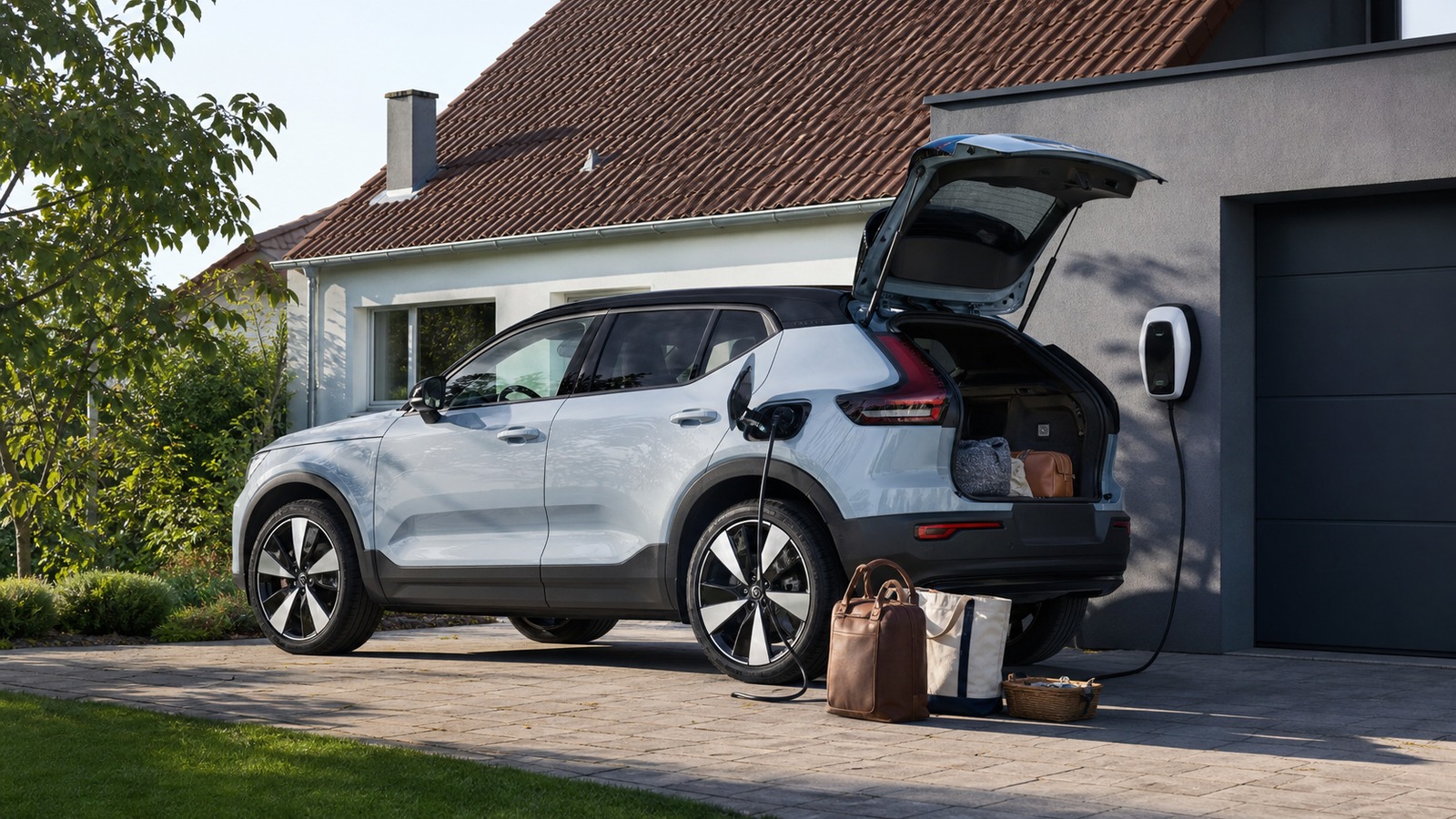
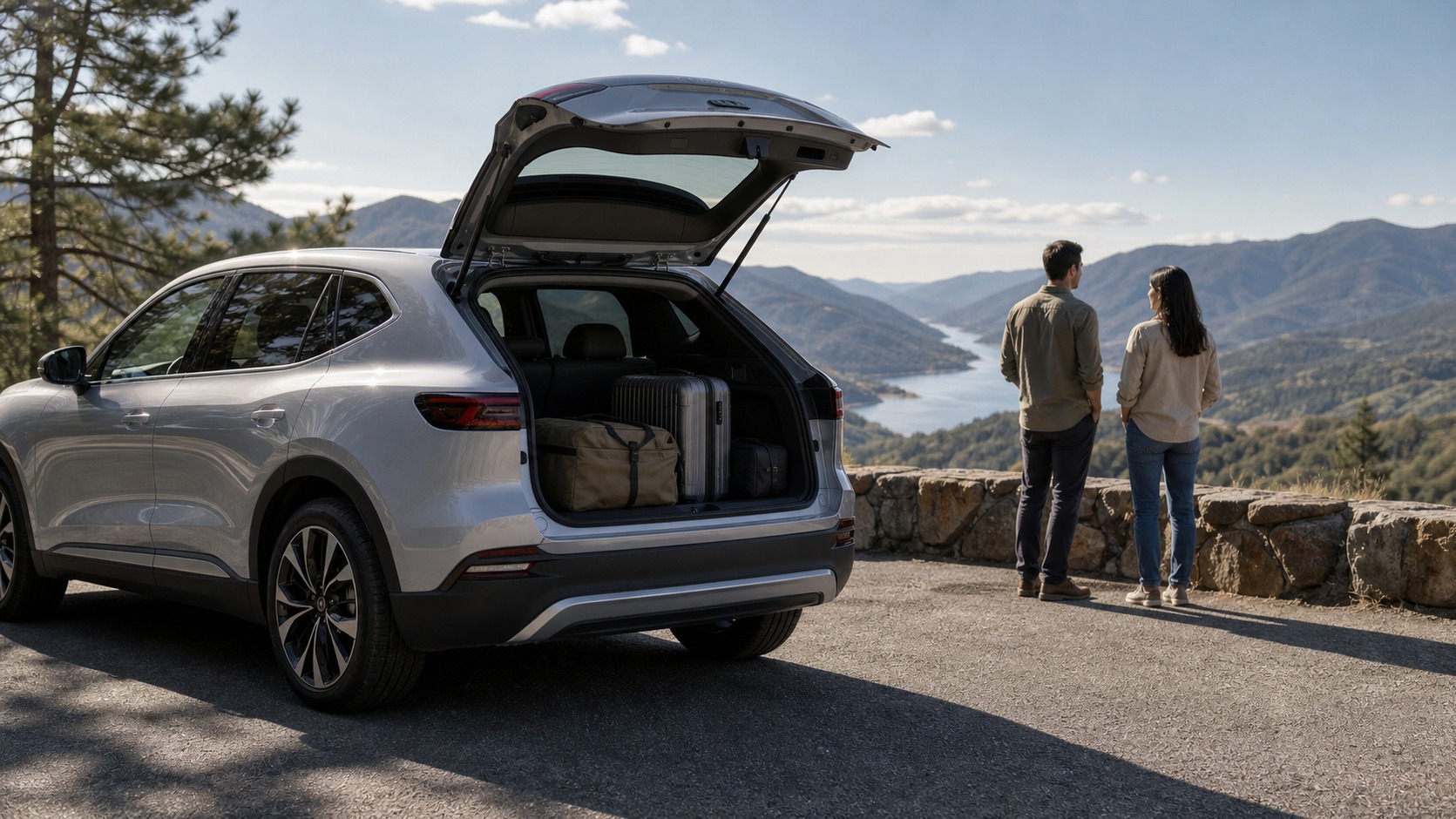
Families should test the cabin with real passengers and gear. Child seats, sports bags, luggage, pets, and charging cables can change how useful the cargo area feels. A range leader that fails the family-fit test may not be the best SUV.
Comfort and Packaging Still Matter
Electric SUV buyers should not let electric specs crowd out ordinary vehicle judgment. Seats, visibility, ride quality, cabin noise, cargo shape, rear-seat space, control layout, and climate performance matter every day. A vehicle can have strong range and still be the wrong choice if it is uncomfortable or inconvenient.
The test drive should include rough pavement, parking, highway merging, and ordinary control use. EVs are quiet and quick by nature, so the real differences often appear in ergonomics and refinement.
Battery and Warranty Confidence
Battery warranty terms help shoppers understand long-term risk. Years, mileage, capacity coverage, transfer rules, and exclusions all matter. A long warranty is reassuring, but it does not replace inspection, service records, or sensible charging habits. Warranty terms are especially important because the battery is central to resale value and owner confidence. Shoppers should compare years, mileage, capacity coverage, transfer rules, and exclusions instead of assuming every battery promise means the same thing.
Used EV shoppers should pay special attention to battery health, recall completion, charging behavior, and remaining coverage. A used model can be a strong value when the battery story is clear.
Road-trip charging matters because electric SUVs are often bought for travel. The vehicle should route confidently, precondition before fast chargers, and provide enough charging information for the driver to trust the plan. A large battery without good trip software can still feel stressful.
Safety, Software, and Service
Modern EVs depend heavily on software for charging, battery management, route planning, driver assistance, and updates. Good software can make ownership easier, while confusing interfaces can turn simple tasks into frustration. Shoppers should test the navigation, charging screens, app features, and update history. Software quality also shapes everyday ownership more than many shoppers expect. Navigation, preconditioning, charging status, phone-app reliability, and update history can make the same battery and motor hardware feel either polished or frustrating.
Service access matters too. A compelling EV is less attractive if the nearest qualified service center is inconvenient or parts support is uncertain. Ownership is more than the first test drive.
Where This Category Shines
Long-range electric SUVs shine when they combine passenger comfort, cargo flexibility, and confident trip planning. They are compelling for households that need one vehicle to handle commuting, school schedules, weekend travel, and vacation luggage. The strongest picks feel like family vehicles first and electric technology showcases second.
That strength does not erase tradeoffs. A value-focused EV may ask buyers to accept less range or fewer luxury features. A range-focused EV may cost more or carry a larger battery. A large SUV may offer space and comfort while using more energy. The right answer depends on which tradeoff the owner can live with.
Ride quality deserves attention because large EVs can be heavy. Good suspension tuning makes the weight feel controlled instead of busy or harsh. On long drives, that refinement can matter as much as another few miles of range.
How to Build a Shortlist
A smart shortlist includes one practical baseline, one stretch option, and one used or lease alternative when available. That mix prevents the search from becoming trapped by one advertised deal. It also gives shoppers leverage when incentives, inventory, or financing change. A shortlist should also include a fallback choice, because incentives, inventory, and financing can change quickly. Keeping more than one realistic option prevents a buyer from accepting the wrong vehicle just because one deal looked good at first.
Compare each candidate using the same categories: total cost, range, charging, comfort, warranty, service access, safety, and resale risk. Consistent comparison is the antidote to impulse buying.
The Bottom Line
The best electric suv choice is not the one that wins every category. It is the one with the fewest serious compromises for the driver who will actually own it. Start with daily life, test the details, and let the numbers support the decision instead of replacing judgment.
When an EV fits the routine, ownership feels quiet, quick, and refreshingly simple. When it does not, even impressive specs can become daily friction.
The strongest long-range SUVs balance space, charging, comfort, and efficiency. They do not simply chase the largest pack. They make the family trip feel easy from driveway to destination.
Ownership Scenario
Electric SUVs face a harder range challenge than sleek sedans because height, weight, tires, and cargo use more energy. That makes efficiency especially important. A long-range SUV should not be judged only by battery size; it should be judged by how well it uses that battery.
Families should test the cabin with real passengers and gear. Child seats, sports bags, luggage, pets, and charging cables can change how useful the cargo area feels. A range leader that fails the family-fit test may not be the best SUV.
Tradeoff Check
Road-trip charging matters because electric SUVs are often bought for travel. The vehicle should route confidently, precondition before fast chargers, and provide enough charging information for the driver to trust the plan. A large battery without good trip software can still feel stressful. The point of a tradeoff check is not to find a flawless EV, because every vehicle gives up something. The goal is to make sure the compromises are visible, affordable, and connected to needs the owner actually has.
Final Buying Filter
Ride quality deserves attention because large EVs can be heavy. Good suspension tuning makes the weight feel controlled instead of busy or harsh. On long drives, that refinement can matter as much as another few miles of range.
The strongest long-range SUVs balance space, charging, comfort, and efficiency. They do not simply chase the largest pack. They make the family trip feel easy from driveway to destination.
A strong choice should make sense after the excitement of the test drive fades. If the EV fits the budget, charging routine, passengers, cargo, weather, and trip needs, it belongs on the shortlist. If it wins only one number while creating daily friction, the shopper should keep looking.
Why SUV Range Is Harder
Electric SUVs ask more from the battery because they are taller, heavier, and often fitted with larger tires. They may also carry more passengers and cargo than sedans. A strong long-range SUV is impressive because it manages those disadvantages without making the driver feel punished for choosing space.
Family Range Is Different
Family travel adds variables that spec sheets do not fully show. Passengers want climate comfort, luggage adds weight, roof gear hurts aerodynamics, and stops are shaped by food, restrooms, and charging availability. Families also tend to value flexible stops, predictable comfort, and extra margin more than a perfect laboratory range figure.
The best SUV range is the range that works with those real family rhythms. A vehicle that keeps the trip calm is more useful than one that wins a number under ideal conditions.
The SUV Range Verdict
A top long-range electric SUV should feel spacious first, efficient second, and stressful never. It should carry people and cargo while giving the driver enough charging confidence to choose routes naturally. The winning SUV is the one that keeps its utility while making electric travel feel natural.
The ranking should reward balance: usable range, charging performance, comfort, cargo flexibility, service support, and ownership cost.
When those pieces come together, an electric SUV can replace a gasoline family vehicle without asking the family to reorganize every trip around the battery.
A long-range electric SUV earns its place when it keeps the family routine intact while lowering fuel stops, noise, and daily operating hassle.
That combination is what makes the range useful in daily life, not just impressive in a ranking table.
That is the real win.
Clearly.