
EV Batteries Are Easier to Understand Than They Look
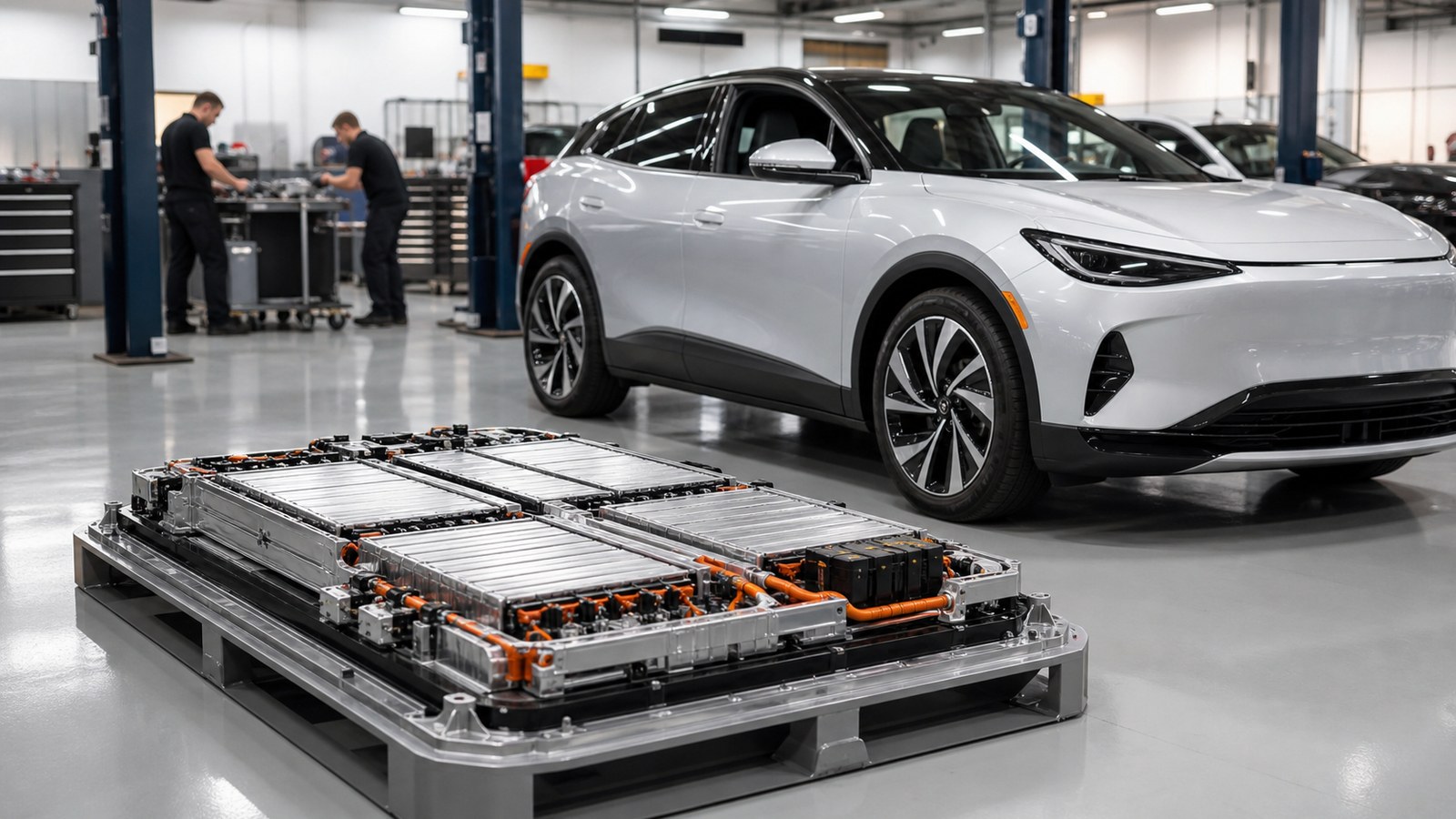
An electric car battery can seem mysterious because it is hidden under the floor, managed by software, and described with unfamiliar terms like kilowatt-hours, modules, state of charge, and thermal management. The beginner version is much simpler. An EV battery is a large rechargeable energy storage system that holds electricity for the motor. Instead of burning gasoline in an engine, the vehicle stores energy in a battery pack and uses that energy to move the wheels. The pack is made from many smaller cells, protected by structure, cooled or warmed by thermal systems, and monitored constantly by a battery management system. Once you understand those pieces, the battery stops feeling like a black box and starts looking like the heart of the car’s range, performance, charging behavior, and long-term value.
A: It is the complete high-voltage energy storage system that powers the electric motor.
A: No, it is usually built from many smaller cells arranged into modules or groups.
A: It means kilowatt-hour, a measure of stored energy.
A: Cells work best within a preferred temperature range, especially during charging.
A: Modern packs usually degrade gradually over many years rather than suddenly failing.
A: Some pack issues can be repaired, but it depends on design, damage, parts, and service access.
A: Weather, speed, terrain, tires, climate control, and driving style all affect energy use.
A: No, occasional fast charging is normal, though daily habits should follow automaker guidance.
A: Software, sensors, cooling, contactors, fuses, and physical structure all contribute.
A: The battery stores energy, the motor uses it, and conditions decide how far it goes.
What the Battery Actually Does
The battery in an electric car stores electrical energy so the motor can use it later. When the car is plugged in, electricity from the grid is converted and stored in the battery. When the driver accelerates, energy leaves the pack and flows through power electronics to the motor. The motor then turns that electrical energy into motion.
This is different from a gasoline car, where fuel is burned to create heat and mechanical force. An EV does not need combustion to move. It carries stored electricity and releases it under careful control. That difference is why EVs can be quiet, responsive, and efficient in stop-and-go driving.
The battery also affects the whole vehicle layout. Because the pack is usually mounted low, often beneath the floor, it can help lower the center of gravity. That low mass can make the vehicle feel stable. At the same time, the pack must be protected from impacts, water, heat, and electrical faults, so it is one of the most carefully engineered parts of the car.
Cells, Modules, and Packs
Beginners often imagine one huge battery, but most EV packs are built from many smaller cells. These cells may be cylindrical, pouch-shaped, or prismatic depending on the automaker and supplier. Each format has packaging, cooling, cost, and manufacturing tradeoffs.
Cells are connected together so the pack can provide the voltage and capacity the vehicle needs. Some designs group cells into modules, then place those modules inside a larger enclosure. Other newer approaches reduce module structure to save space and weight. The details vary, but the basic idea is the same: small energy units become a large vehicle battery through careful electrical and mechanical design.
This layered structure matters for safety and service. If one component develops a problem, the battery management system may detect unusual voltage or temperature. In some vehicles, service teams can replace certain modules or components. In others, pack-level service may be more limited. The design choices affect cost, repairability, and manufacturing efficiency.
The layout also affects how the vehicle is built. A pack with many modules may be easier to service in sections, while a highly integrated pack can save weight and space. Automakers weigh those benefits differently depending on whether the vehicle is a value commuter, a luxury SUV, a performance car, or a commercial fleet model.
Why Battery Capacity Matters
Battery capacity is usually measured in kilowatt-hours. A larger capacity means the vehicle can store more energy, which often supports longer range. That does not mean battery size is the only thing that matters. A heavy, boxy vehicle can use more energy per mile than a smaller, more aerodynamic EV.
Efficiency turns capacity into distance. If two vehicles have similar battery sizes but one travels farther, the difference may come from aerodynamics, tires, motor efficiency, weight, thermal systems, or software. This is why shoppers should compare both range and efficiency rather than assuming the biggest pack is always the smartest choice.
Charging Is Managed by the Car
When an EV charges, the driver sees a cable and a percentage, but the vehicle is making many decisions in the background. The battery management system monitors cell conditions and decides how much power the pack can safely accept. Charging may be faster when the battery is warm and at a moderate state of charge, then slower near the top.
This slowdown is normal. A battery is not a simple empty container. As cells fill, the system becomes more cautious to protect long-term health and control heat. That is why many fast-charging estimates focus on a middle range, such as ten to eighty percent, rather than empty to full.
Home charging is usually gentler and slower, which is fine because the car is parked for hours. Public fast charging is useful on trips, but it is not the only way an EV should be judged. For many owners, the most important charging experience happens overnight, quietly, while they are doing something else.
Temperature and Battery Comfort
Battery cells prefer a certain temperature range. If they are too cold, charging can slow and available energy can drop temporarily. If they are too hot, the system may use cooling or reduce power to protect the pack. Thermal management is one reason modern EVs can perform reliably across many climates.
Some vehicles use liquid cooling, heat pumps, battery heaters, or preconditioning routines. Preconditioning can prepare the pack before fast charging or warm the cabin while the car is still plugged in. These systems make the battery easier to live with, especially in harsh weather.
Temperature effects do not mean the battery is fragile. They mean chemistry responds to conditions. Drivers in cold or hot regions simply learn to plan with a little more margin, just as gasoline drivers learn that winter fuel economy and tire pressure can change.
The driver may notice temperature most during fast charging. A cold pack can charge slowly until it warms, while a hot pack may need cooling before accepting full power. That is why route planning and battery preconditioning can matter on long trips, even when daily home charging feels effortless.
How Batteries Age
EV batteries usually lose capacity gradually. The process is called degradation, and it is influenced by time, mileage, temperature, charging habits, and battery chemistry. A small decline over years is expected. It does not mean the vehicle is suddenly unusable.
Automakers manage aging with buffers, software limits, cooling systems, and warranties. Many vehicles do not let drivers access the entire physical capacity of the pack, which gives the system room to protect itself. Battery warranties often promise that capacity will not fall below a certain threshold during a defined period.
What Owners Can Control
Owners do not need to baby an EV battery, but they can build sensible habits. Avoid leaving the vehicle at very high or very low charge for long periods unless the manual says otherwise. Use daily charge limits when they fit the routine. Keep software current. Pay attention to tire pressure because efficiency affects range and charging frequency.
It also helps to learn the vehicle’s normal pattern. If the same commute suddenly uses more energy under similar conditions, check ordinary causes before assuming battery trouble. Weather, speed, tires, cargo, roof racks, and climate control can all change the estimate.
The best beginner mindset is practical confidence. The battery is complex inside, but the ownership routine can be simple: plug in when it makes sense, drive normally, follow the automaker’s guidance, and treat unusual changes as information to investigate rather than reasons to panic.
The Simple Takeaway
An electric car battery is a protected, software-managed energy system. It stores electricity, powers the motor, supports range, and shapes how the vehicle charges. It is made from many cells, watched by sensors, and managed to balance performance with safety and lifespan.
For beginners, the most useful concepts are capacity, efficiency, charging behavior, temperature, and gradual aging. You do not need to understand every chemical reaction to own an EV well. You only need to know what the battery does, what affects it, and how to build habits that let it do its job for years.
Battery Myths Beginners Should Ignore
One common myth is that an EV battery must be replaced after only a few years. Modern packs are built for long service, and warranties usually cover many years of use. Degradation is real, but it is usually gradual. A driver may see less range after years of ownership without the battery suddenly becoming worthless.
Another myth is that every fast-charge session ruins the pack. Fast charging creates more heat and stress than slow home charging, but modern EVs are designed to use public fast chargers when needed. The better advice is to use fast charging as a tool, follow the manual, and avoid turning every normal day into a high-stress charging event.
A third myth is that battery size alone decides whether an EV is good. Capacity matters, but efficiency, charging speed, reliability, software, warranty, and the driver’s actual routes matter too. The best battery is not always the biggest one; it is the one that supports the vehicle’s purpose.
How to Read Battery Specs
Battery specs are most useful when translated into ownership questions. Kilowatt-hours tell you stored energy, but range tells you how efficiently the vehicle uses it. Peak charging power sounds impressive, but the charging curve tells you how long useful range takes to add. Warranty length matters, but the capacity-retention terms explain what is actually protected.
Beginners should compare specs in context. A city EV with modest range may be excellent if it charges at home and rarely travels far. A road-trip EV needs a stronger mix of range, charging speed, comfort, and reliable route support. The battery is central, but it is part of a whole vehicle.
Why Battery Knowledge Builds Confidence
Understanding the battery helps owners interpret what the car is doing. If charging slows near full, that is protection. If range drops in winter, that is often temperature and climate use. If the car recommends a daily charge limit, that is software helping the pack age well. These behaviors are less worrying when the reasons are clear.
The beginner goal is not to become a battery engineer. It is to know enough to use the car well. Learn the terms, follow the guidance, watch normal patterns, and treat the battery as a managed system rather than a mystery hidden under the floor.
With that mindset, electric car batteries become easier to trust. They are complex, but they are not unknowable. They are engineered systems designed to store energy, deliver power, and support years of everyday driving.
That confidence matters when comparing EVs, too. A beginner who understands packs, capacity, charging, and temperature can look past a single range number and ask better questions about warranty, efficiency, charging speed, and daily fit.
That is the useful beginner balance: respect the battery’s complexity without treating it as fragile magic. The system is designed to be used, charged, monitored, and protected in ordinary transportation.
That practical lens makes the technology less intimidating. The pack is advanced, but the daily questions are familiar: how far can it go, how easily can it recharge, and how well is it protected over time?


