EV Battery Fire Risk Needs Context, Not Panic
EV battery fires attract attention because they are dramatic, unfamiliar, and different from gasoline vehicle fires. The important point is not that electric cars can never burn, because any vehicle carrying stored energy has risk. The useful question is how those fires start, how often they are likely to happen, what safety systems are built into the vehicle, and what owners can do after damage, flooding, charging trouble, or warning messages. Modern EVs use layered protection around the battery pack, cooling system, sensors, software, crash structures, and high-voltage disconnects. Understanding those layers helps drivers respond calmly instead of treating every headline as a prediction.
A: Battery fires are uncommon, but they deserve serious attention because the energy involved is high and the response can be specialized.
A: It is a chain reaction where a cell overheats and releases more heat, sometimes spreading to nearby cells if controls cannot contain it.
A: Charging can be involved when equipment, wiring, installation, or battery controls fail, which is why proper hardware and warnings matter.
A: Flood exposure needs inspection because water can enter places that look normal from the outside.
A: After significant battery-area damage, outside parking away from structures is a cautious temporary step until inspection.
A: Fire departments increasingly train for EVs, but battery fires may need more cooling water, monitoring, and time.
A: Yes. Recalls can address cell defects or software limits that directly affect fire risk.
A: No, but smoke, heat, odor, or popping sounds should be treated as urgent until proven otherwise.
A: Owners can check visible damage and warnings, but high-voltage inspection belongs to trained technicians.
A: Respond quickly to warnings, damage, recalls, and charging abnormalities instead of waiting for symptoms to worsen.
How Battery Fires Usually Begin
Most EV battery fire discussions start with the phrase thermal runaway, but the event usually has a cause before it becomes a headline. A cell can be damaged by a severe impact, contaminated by a manufacturing defect, stressed by heat, or affected by water intrusion. If internal layers that should remain separate begin to touch, the cell can release heat faster than the pack can manage it. That heat can then threaten nearby cells if the pack design, cooling, and venting cannot contain the event.
This is why battery fires are not all the same. A collision-damaged pack, a recalled cell batch, a flooded vehicle, and a poorly repaired high-voltage system create different risk profiles. Lumping them together makes the subject harder to understand. The safer approach is to ask what happened to the vehicle, whether warnings appeared, and whether the pack has been inspected by someone qualified.
Why EV Fires Feel Different
A gasoline fire usually involves liquid fuel, vapors, oil, plastics, or hot engine parts. An EV battery fire involves stored electrical energy inside sealed modules, and that can change how heat behaves. A pack may need sustained cooling, and responders may monitor the vehicle after the visible flames are gone. That difference does not mean every EV is waiting to burn. It means the response plan is different when a serious battery event occurs.
Safety Systems Inside the Pack
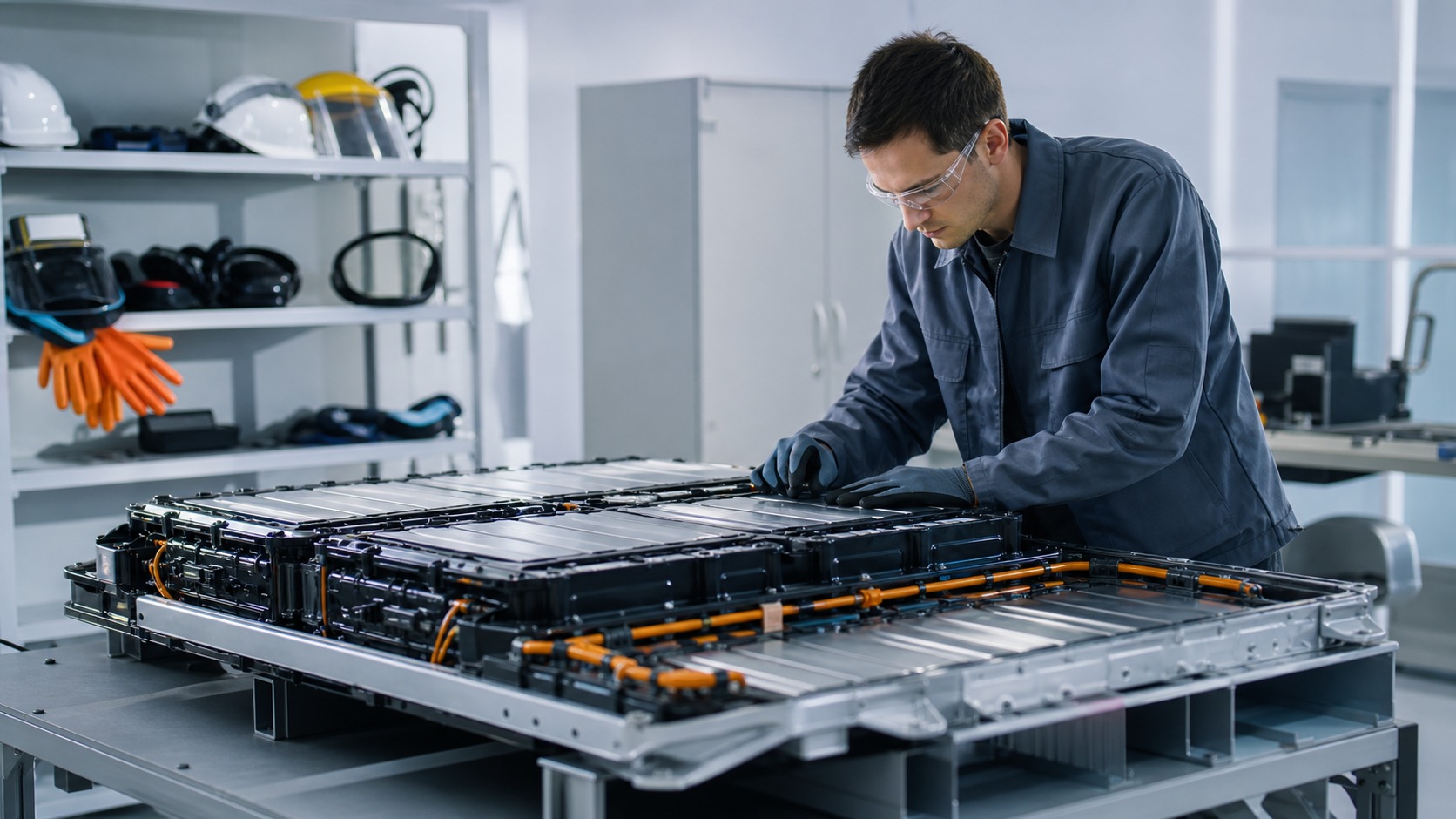
Modern EV packs are not loose boxes of cells. They are engineered assemblies with monitoring systems, temperature controls, structural housings, contactors, fuses, insulation checks, and software limits. The battery management system watches for values that fall outside expected ranges and can reduce power, stop charging, or trigger warnings. The enclosure helps protect the pack from debris and crash loads, while cooling systems help keep the cells in a usable temperature band.
The strongest safety systems work as layers. If one cell behaves badly, module design may slow spread. If sensors detect a fault, the vehicle may isolate the high-voltage system. If a crash happens, pyrotechnic disconnects or contactors can separate the battery from the rest of the car. None of those layers makes risk disappear, but together they reduce the chance that a problem becomes catastrophic.
Owners see only a small part of this system, usually through dashboard warnings, charging messages, unusual heat, or service alerts. Those signs deserve respect. A warning that clears after a restart may still be logged for a technician, and repeated charging interruptions can point to a problem that should be diagnosed before the vehicle is pushed hard.
Charging Equipment and Home Risk
Many home charging worries are really electrical installation worries. A Level 2 charger should be installed on a circuit designed for its load, with correct breaker sizing, wiring, grounding, and connector quality. Loose connections can create heat, and undersized equipment can age badly under repeated overnight use. Smart charging features are helpful, but they are not a substitute for a proper installation.
The vehicle also participates in the safety check. The charger and car communicate before charging begins, and the car limits how much current it will accept. If a plug feels hot, a breaker trips repeatedly, or charging fails in the same way again and again, the answer is not to keep trying. Stop using that equipment until the cause is found.
Collisions, Flooding, and Delayed Problems
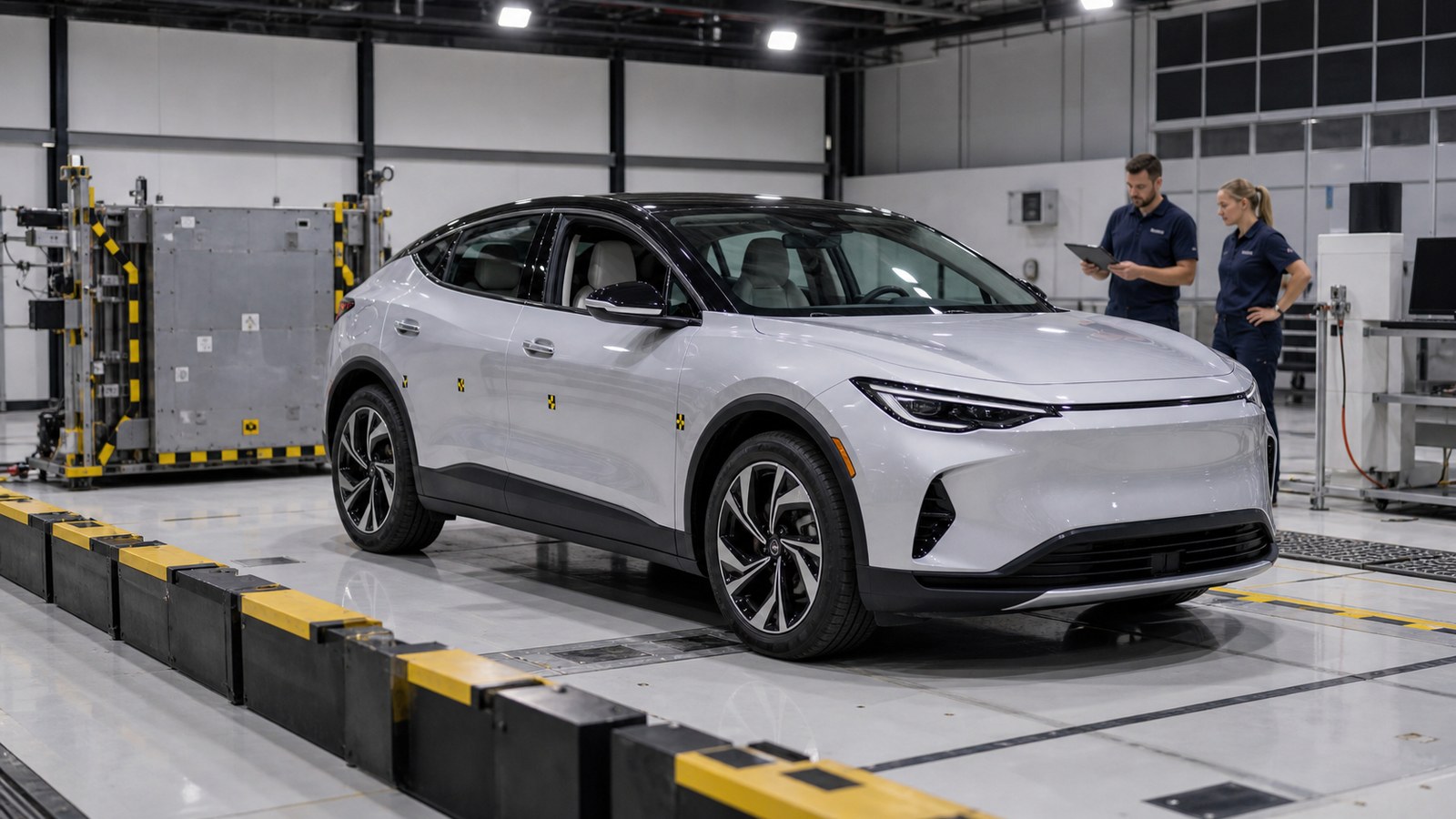
The most important owner decision often happens after the obvious event is over. If the underside of the car hit road debris, if the vehicle was in floodwater, or if a crash involved the battery area, the pack should be treated as suspect until inspected. A car that still drives can still have sealing damage, isolation faults, or hidden deformation. Delayed risk is one reason damaged EVs may be stored away from buildings while insurance and repair decisions are made.
Flooding deserves special caution because water can enter connectors, cooling paths, or cavities that are not visible in a driveway inspection. Saltwater is especially concerning because it is conductive and corrosive. After deep-water exposure, charging the vehicle before inspection can turn a hidden problem into a dangerous one.
Collision repair also matters. High-voltage cables, pack fasteners, cooling lines, and sealing surfaces are part of the safety system. A cosmetic repair that ignores the battery structure is not enough after a hard impact. Owners should ask direct questions about battery isolation testing, underbody inspection, and manufacturer repair procedures.
How Common Is the Risk?
Battery fires are serious, but seriousness is not the same as frequency. Media coverage tends to amplify unusual and dramatic events, especially when photos or videos are striking. A useful comparison looks at fires per vehicle, per mile, by age, by damage history, and by recall status. Broad claims that all EVs are dangerous or all concerns are imaginary both miss the point.
What Owners Can Do Day to Day
The best prevention habits are practical. Keep recall work current, use properly rated charging equipment, avoid ignoring warning messages, and inspect the vehicle after unusual impacts. Do not run extension cords as permanent charging solutions, do not continue using a hot or damaged plug, and do not ask unqualified repairers to modify high-voltage equipment. These choices are ordinary, but they remove many avoidable risks.
Drivers should also learn what feels normal for their own vehicle. Cooling fans after charging can be normal. A brief click from contactors can be normal. Persistent burning odor, smoke, repeated faults, visible cable damage, or heat around charging hardware is not normal. Knowing the difference makes it easier to respond before a problem escalates.
What to Do if Something Seems Wrong
If an EV shows smoke, hissing, popping, strong chemical odor, or unusual heat, move people away and call emergency services. Do not open the battery enclosure or touch orange high-voltage cables. If the concern follows a collision or flood, avoid charging the car until a qualified inspection clears it. If the issue is charging equipment, stop using the charger and have the circuit and hardware checked.
For less urgent warnings, document what happened. Note the state of charge, weather, charger type, message text, and whether the problem repeated. That information helps technicians separate a software nuisance from a safety issue. A calm, well-documented service visit is more useful than guessing from internet stories.
If the vehicle is parked at home when the concern appears, think about people and structures first. Move away, keep bystanders clear, and avoid repeated attempts to restart or charge the car. The owner does not need to prove that the battery is the source before acting cautiously; visible smoke, unusual heat, or escalating electrical faults are enough reason to stop normal use.
Why Inspection Language Matters
After a crash, flood, or charging fault, the words used by a repair shop matter. A quick visual check is not the same as a high-voltage inspection, battery isolation test, cooling-system review, or manufacturer-guided diagnostic scan. Owners do not need to know how to perform those tests, but they should know enough to ask whether they were done. That question can prevent a damaged vehicle from returning to normal use before the hidden risk is understood.
Documentation also matters for resale and insurance. If a battery-area impact was inspected and cleared, keep the record. If a recall repair was completed, save the confirmation. EV safety is not only about preventing dramatic incidents; it is also about preserving a clear chain of evidence when the vehicle has been through something unusual.
Where Storage and Towing Fit
A damaged EV may need special handling even when it is not burning. Tow operators may be told to use a flatbed, avoid dragging powered wheels, or place the vehicle in a storage area away from other cars and buildings. Those rules can feel excessive to an owner who sees only body damage, but they exist because battery symptoms can develop after the first incident.
Storage guidance varies by manufacturer and event. A vehicle involved in a minor fender scrape will not be treated like one that hit road debris at speed or sat in floodwater. The key is matching caution to the kind of damage. When the battery enclosure, high-voltage cables, or charging system may be involved, ordinary parking assumptions no longer apply.
Owners should resist the urge to diagnose from appearance alone. An EV can look clean while a connector, seal, bracket, or cooling line has been compromised. The safest path is to let qualified responders, insurers, and repair technicians decide when the car can be moved, charged, stored indoors, or returned to service.
The Balanced Takeaway
EV battery fires are real, rare, and important to understand. The risk is managed through pack design, thermal controls, electrical isolation, crash engineering, charging communication, recalls, inspections, and owner habits. The right attitude is not fear; it is respect for stored energy. Treat damage, flooding, warnings, and charging abnormalities seriously, and a modern EV can remain a safe, practical vehicle for daily use.
How Software Helps Prevention
Software is part of the fire-prevention system because it can limit charging, reduce power, flag unusual cell behavior, or warn the driver before a fault becomes more serious. Manufacturers may also use software updates to refine charging limits, battery monitoring, or thermal management. An update that sounds minor can matter if it changes how the pack reacts to heat, cold, or cell imbalance.
That is why recall notices and service campaigns should not be treated as optional inbox clutter. Some campaigns are convenience fixes, but others address battery behavior directly. Owners who keep the vehicle updated and complete safety work promptly give the protection layers their best chance to work.
What Calm Ownership Looks Like
A calm owner does not inspect high-voltage hardware personally, but they do notice context. They remember if the car hit debris, if a charger fault repeated, if a warning appeared after heavy rain, or if a recall letter arrived. That context helps professionals act quickly and prevents vague worry from replacing useful facts.
The same owner also avoids unnecessary risk. They do not keep charging through repeated faults, park a damaged car indoors without advice, or assume a flood-exposed vehicle is fine because the lights still turn on. Sensible caution is not panic; it is simply respect for the amount of energy stored under the floor.
For everyday driving, the result is reassuring. Most EV owners will never experience a battery fire, but knowing the warning signs, prevention habits, and inspection triggers makes the rare risk easier to manage.