Speed Is One of the Biggest EV Range Levers
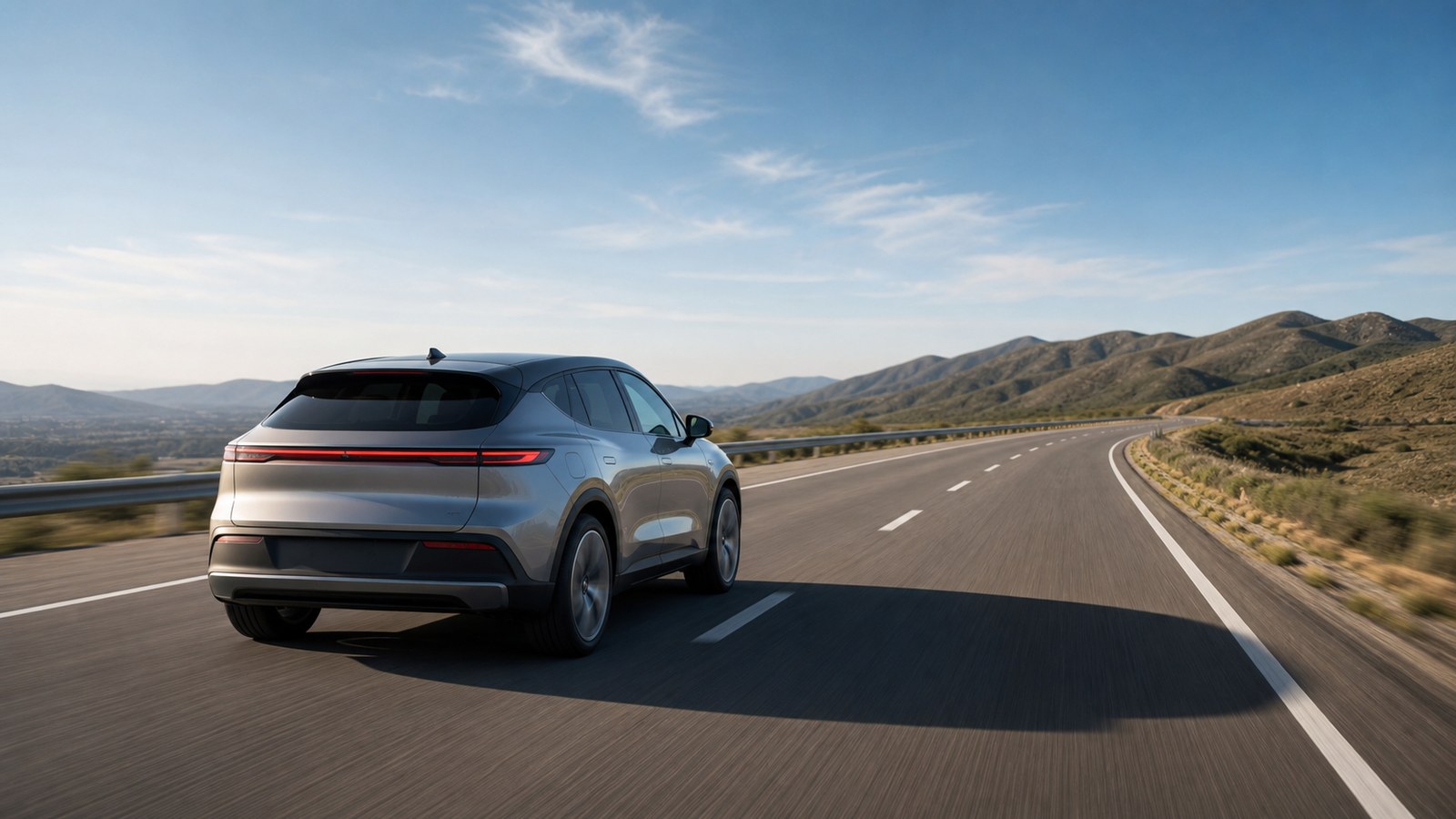
Driving speed has a major effect on EV range because the faster a car moves, the more energy it spends pushing air out of the way. That aerodynamic drag rises quickly, so the difference between a moderate highway pace and an aggressive one can be much larger than beginners expect. EVs make the effect visible because their dashboards show energy use and range estimates in real time. The lesson is not that EV drivers must crawl along slowly. It is that speed, efficiency, and charging time are connected. A faster drive can use more energy, require a longer charging stop, and sometimes erase the time saved on the road. Understanding that tradeoff helps drivers plan smarter trips.
A: Aerodynamic drag rises quickly, so higher speed requires much more energy.
A: Often, because speeds are lower and regeneration can recover some energy.
A: Yes, even a modest reduction can improve highway efficiency.
A: Sometimes, but extra charging time can erase the gain.
A: Yes, they disturb airflow and can reduce highway range.
A: The car may be adjusting to recent high-speed energy use.
A: No; drive safely and legally while understanding the energy tradeoff.
A: A headwind increases air resistance much like higher vehicle speed.
A: Usually, because lower drag helps at speed.
A: Maintain a steady reasonable pace and plan charging around real conditions.
Why Air Resistance Grows So Fast
At low speeds, an EV spends energy on rolling resistance, acceleration, accessories, and small aerodynamic loads. At highway speeds, air resistance becomes a much bigger part of the equation. The car has to push through air continuously, and that task becomes harder as speed rises.
This is why an EV can feel efficient in town but less impressive on a fast interstate run. The motor is not failing, and the battery is not suddenly weak. The vehicle is simply doing more work against the air.
Vehicle shape matters because some bodies move through air more cleanly than others. A low sedan, a compact crossover, and a tall truck can have very different highway energy use even if their batteries are similar.
Why EV Dashboards Make Speed Visible
Gasoline cars also lose efficiency at higher speeds, but many drivers notice it only at the pump. EVs show energy use more directly. The range estimate may fall, the consumption graph may climb, and navigation may revise arrival percentage after a fast segment. That detail matters because speed choices become easier when the driver understands whether the route, vehicle, or weather is causing the energy change.
That visibility can feel alarming at first. It becomes useful once drivers understand what the car is reporting. A lower range estimate after a fast drive is often a reflection of recent energy use, not proof of battery degradation.
The best display to watch on a trip is often expected arrival percentage. If that number remains healthy, the plan is working. If it keeps falling, a small speed adjustment can restore margin.
Drivers can use that feedback immediately. If a route begins using more energy than expected, a small speed reduction can stabilize the arrival estimate long before the battery level becomes uncomfortable.
The practical value is that drivers can respond before a route becomes stressful. By watching energy use, arrival estimates, wind, traffic, and charger spacing together, they can choose a pace that protects time without pretending the battery is unaffected by speed.
The Charging-Time Tradeoff
Speed does not only affect how far the car goes. It can affect how long the whole trip takes. Driving faster may save minutes on the road, but if it forces a longer charging stop, the total travel time may not improve. That detail matters because speed choices become easier when the driver understands whether the route, vehicle, or weather is causing the energy change.
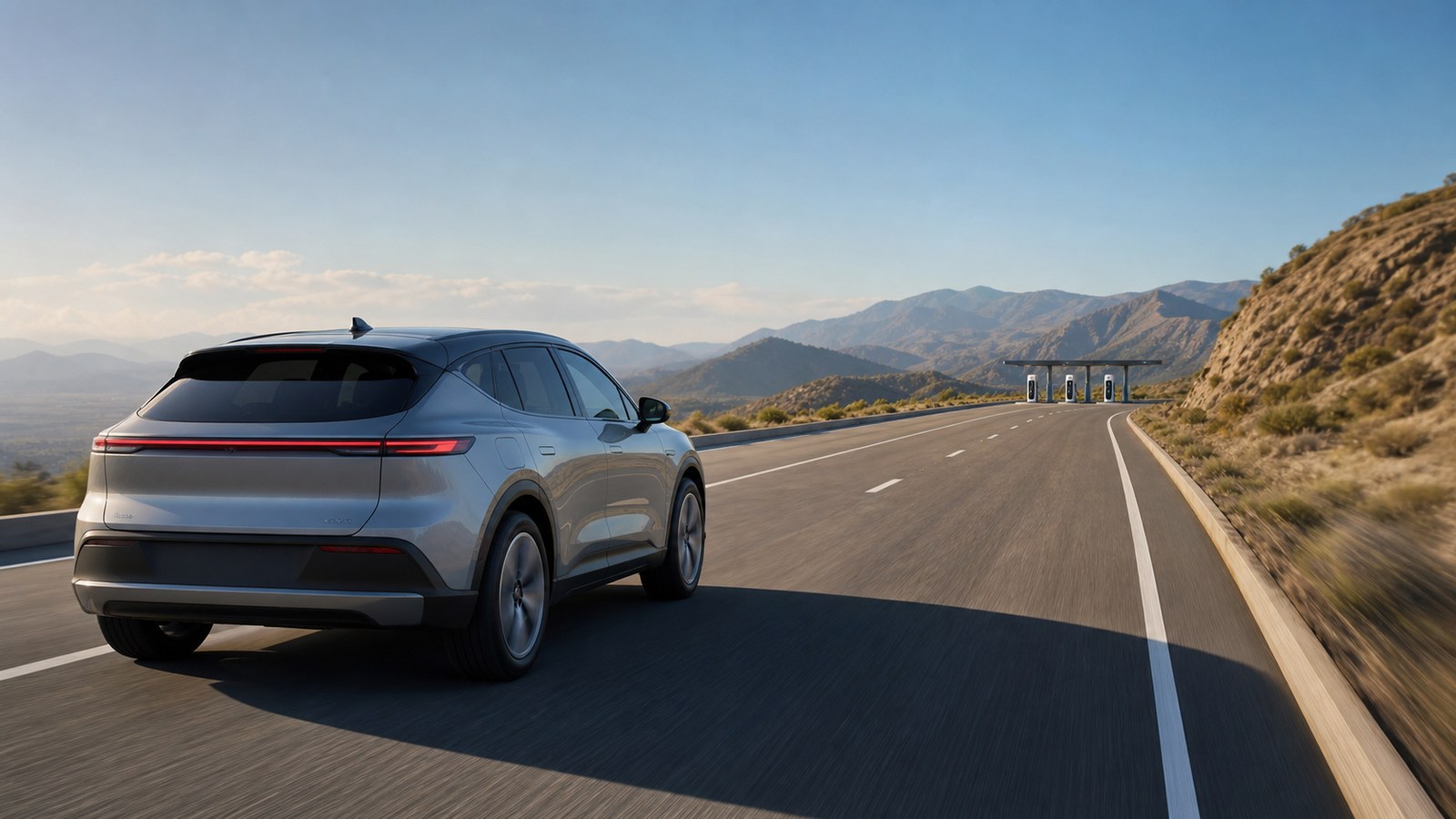
This tradeoff depends on the route. If chargers are frequent, powerful, and reliable, a driver may choose a faster pace with confidence. If chargers are far apart or winter weather is reducing range, efficiency may be the smarter choice.
Experienced EV travelers often think in legs. They choose a speed that gets them to the next charger with a comfortable buffer and avoids wasting time on an unnecessary top-off.
The practical value is that drivers can respond before a route becomes stressful. By watching energy use, arrival estimates, wind, traffic, and charger spacing together, they can choose a pace that protects time without pretending the battery is unaffected by speed. On some trips, the efficient pace is actually the faster overall plan because it shortens or removes the next charging stop.
Weather and Wind Make Speed More Important
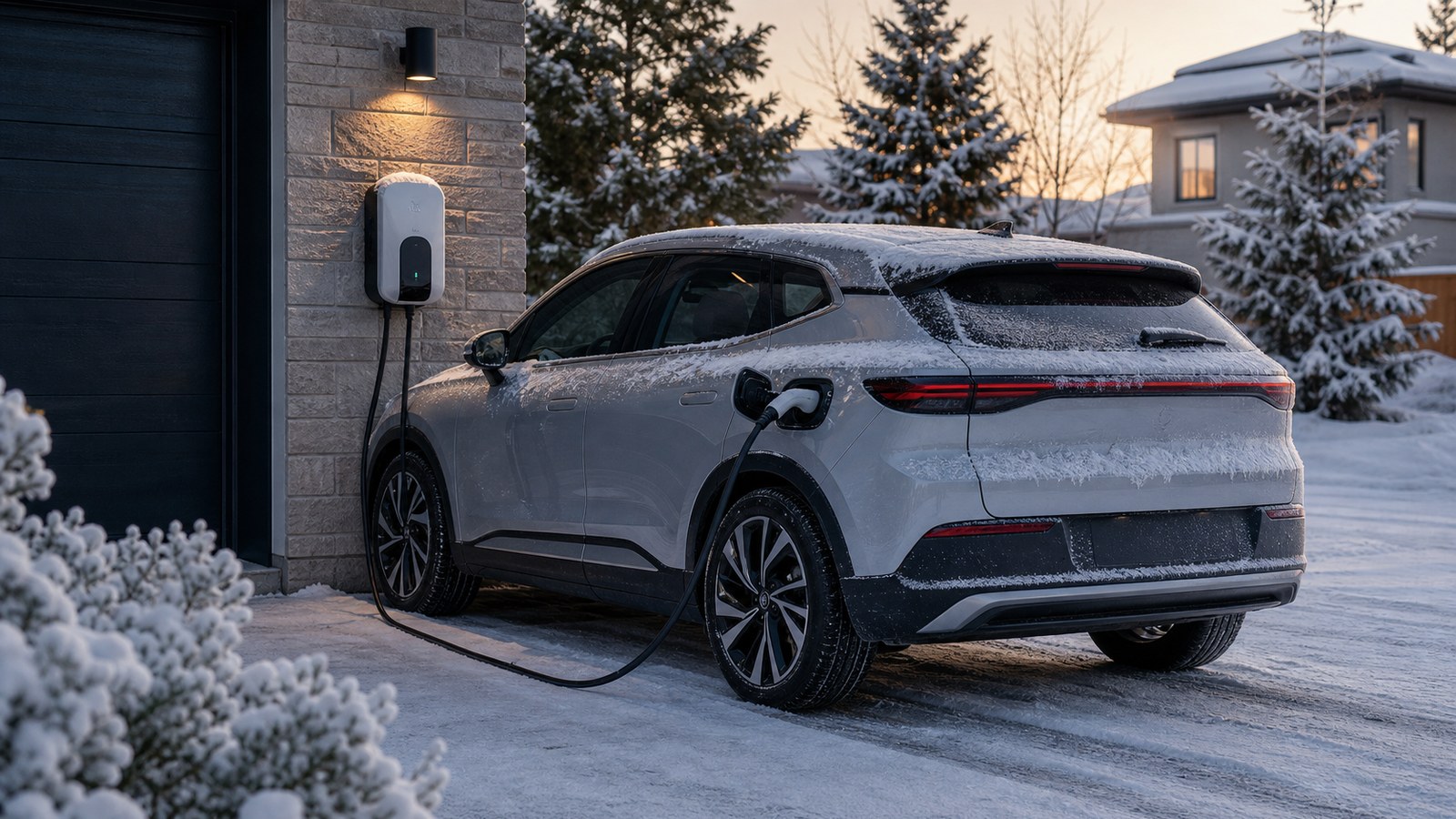
Cold air is denser than warm air, so highway drag can increase in winter. Add cabin heat, winter tires, wet pavement, or a headwind, and the speed penalty becomes more noticeable. A route that feels easy in mild weather may require more planning in cold conditions.
Headwinds deserve special attention because the car experiences air movement relative to the vehicle. Driving into a strong wind can make the EV behave as if it is moving faster through the air than the speedometer suggests. Slowing slightly can recover useful margin.
Rain and slush add resistance at the tires and underbody. In those conditions, aggressive speed can cost range and reduce safety at the same time. Efficiency and caution point in the same direction. This is especially true when several conditions stack together. A cold headwind, roof cargo, and a fast cruising speed can make an otherwise familiar route feel much longer from the battery’s point of view.
How Vehicle Design Changes the Result
Aerodynamics are built into the vehicle. Smooth underbodies, tapered rooflines, careful wheel designs, active shutters, and clean front ends all help reduce drag. These details matter most at highway speed because that is where air resistance grows. That detail matters because speed choices become easier when the driver understands whether the route, vehicle, or weather is causing the energy change.
Tires also play a role. Low-rolling-resistance tires can improve efficiency, while wider performance tires may trade range for grip. Large wheels can add weight and aerodynamic disruption. A vehicle’s speed efficiency is the sum of many design decisions.
That is why two EVs with similar range ratings can behave differently on a fast road trip. One may hold efficiency well at speed, while another may see a larger drop. Real highway testing and owner experience can reveal those differences.
The practical value is that drivers can respond before a route becomes stressful. By watching energy use, arrival estimates, wind, traffic, and charger spacing together, they can choose a pace that protects time without pretending the battery is unaffected by speed.
This is why highway-focused shoppers should compare real efficiency reports, not just battery size or peak charging claims.
Practical Speed Habits
Drivers do not need extreme tactics to improve range. A steady legal pace, smooth acceleration, healthy tire pressure, and reduced roof cargo can make a meaningful difference. The biggest gains often come from avoiding unnecessary speed rather than chasing tiny tricks. That detail matters because speed choices become easier when the driver understands whether the route, vehicle, or weather is causing the energy change.
Cruise control can help on open flat roads, but it is not perfect everywhere. In hilly terrain or dense traffic, a human driver may anticipate conditions better. The goal is smooth energy use, not blind reliance on one feature.
On long trips, choose a pace that protects arrival margin. If the navigation shows the arrival percentage dropping, reduce speed early rather than waiting until the plan becomes stressful. Small early adjustments beat emergency charging decisions later.
This is especially useful when the next charger is uncertain. Five minutes of calmer driving can be worth far more than arriving fast with no backup plan. The practical value is that drivers can respond before a route becomes stressful. By watching energy use, arrival estimates, wind, traffic, and charger spacing together, they can choose a pace that protects time without pretending the battery is unaffected by speed.
Balancing Time and Efficiency
The right speed is a balance between safety, traffic flow, schedule, range, and charger access. Sometimes driving a little faster is reasonable because chargers are close and the day is flexible. Sometimes a calmer pace is wiser because the next charger is remote or weather is difficult.
The key is understanding that speed is a lever. It is one of the few range factors the driver can change immediately. Battery size, vehicle shape, and weather are mostly fixed in the moment, but speed is a choice.
Once drivers see the relationship, highway EV travel becomes easier to manage. Speed is not the enemy. It is simply expensive in energy, and smart drivers decide when that expense is worth paying.
That balance can change during the same trip. A driver may choose a calmer speed on a remote leg, then drive normally after reaching a corridor with more chargers. Speed is a flexible tool, not a permanent personality trait.
The driver can revisit that choice at every leg. Speed is not a rule set once at departure; it is a lever adjusted as conditions change.
Why Fast Acceleration Is Different From Fast Cruising
Quick acceleration uses energy, but fast cruising can matter even more over distance. A hard launch lasts a few seconds. A high highway speed may continue for an hour. That sustained demand is why road-trip efficiency is so sensitive to cruising pace. That detail matters because speed choices become easier when the driver understands whether the route, vehicle, or weather is causing the energy change.
Regenerative braking can recover some energy after acceleration, but it cannot recover everything. The most efficient strategy is still to avoid unnecessary surges in the first place. Smooth driving gives the battery fewer peaks to satisfy.
Performance is part of the fun of many EVs, and using it occasionally is not a crisis. The point is awareness. Repeated aggressive driving changes range, tire wear, and charging needs.
The practical value is that drivers can respond before a route becomes stressful. By watching energy use, arrival estimates, wind, traffic, and charger spacing together, they can choose a pace that protects time without pretending the battery is unaffected by speed.
How Speed Affects Charger Choice
A faster highway leg may require arriving at a charger with a lower battery percentage. That can be fine if the station is reliable and the battery is ready to fast charge. It can be stressful if the station is remote, busy, or broken. That detail matters because speed choices become easier when the driver understands whether the route, vehicle, or weather is causing the energy change.
A slightly slower leg may allow the driver to skip a charger or use a shorter stop. That is why speed and charging cannot be separated on long trips. The road pace shapes the charging plan.
The practical value is that drivers can respond before a route becomes stressful. By watching energy use, arrival estimates, wind, traffic, and charger spacing together, they can choose a pace that protects time without pretending the battery is unaffected by speed.
A Practical Highway Mindset
The practical mindset is not to obsess over every mile. It is to understand which conditions are expensive. High speed, headwinds, cold weather, roof cargo, and steep climbs all stack together. When several are present, a calmer pace is usually wise. That detail matters because speed choices become easier when the driver understands whether the route, vehicle, or weather is causing the energy change.
When conditions are mild and chargers are abundant, a driver may choose a faster pace without much consequence. When margins are tight, speed becomes the easiest lever to pull. That flexibility is what makes the knowledge useful.
A good EV road trip is not won by driving slowly or quickly all the time. It is won by choosing a pace that fits the route.
The practical value is that drivers can respond before a route becomes stressful. By watching energy use, arrival estimates, wind, traffic, and charger spacing together, they can choose a pace that protects time without pretending the battery is unaffected by speed.
Speed Versus Comfort
Driving speed is not only about range. It also affects noise, passenger comfort, attention, and stress. A slightly calmer pace can make a long EV trip feel smoother, especially when it reduces the need for a long charging stop later. That detail matters because speed choices become easier when the driver understands whether the route, vehicle, or weather is causing the energy change.
That does not mean efficiency should override every other concern. Traffic flow, road safety, weather, and driver alertness matter first. The best EV speed is one that fits the road and the plan, not one chosen only to chase a dashboard number.
How to Learn Your Own Vehicle
Every EV has its own speed personality. A slippery sedan may hold highway range well, while a tall SUV may show a larger speed penalty. The best way to learn is to compare familiar routes at familiar temperatures and note how arrival percentage changes. That detail matters because speed choices become easier when the driver understands whether the route, vehicle, or weather is causing the energy change.
After a few trips, the pattern becomes obvious. The driver learns which speeds feel efficient, which accessories matter, and how much extra margin to keep when conditions are unfavorable. That knowledge is more useful than a generic rule.
A simple trip log can help. Note speed, temperature, wind, route, and arrival percentage, then patterns become clear after only a few repeated drives.