A New Era of Driving
The way people think about cars is changing. For over a century, the internal combustion engine defined transportation, shaping not just how vehicles operate but how cities are built, how fuel is distributed, and how drivers interact with their cars. Today, electric vehicles are reshaping that landscape with a different philosophy—one built around electricity, efficiency, and simplicity. For beginners, the concept of an electric vehicle can feel both exciting and confusing. What exactly makes a vehicle “electric”? How does it work without gasoline? And what does it mean for everyday driving? Understanding these basics is the first step toward making sense of one of the biggest shifts in modern transportation.
A: A car powered by electricity stored in a battery instead of gasoline.
A: By plugging into home outlets, dedicated chargers, or public charging stations.
A: They often cost less to operate due to lower fuel and maintenance expenses.
A: It varies by model, but many modern EVs can handle typical daily driving with ease.
A: No, because they do not have internal combustion engines.
A: Not usually; most drivers find it simple and convenient after a short adjustment period.
A: Yes, especially with planning and access to fast charging networks.
A: Yes, modern EVs include advanced safety systems to protect battery operation.
A: Yes, though range and charging speed can be affected by extreme temperatures.
A: A combination of efficiency, lower running costs, and a cleaner driving experience.
What Is an Electric Vehicle?
An electric vehicle, often called an EV, is a car that uses electricity as its primary source of power instead of gasoline or diesel fuel. Rather than relying on an engine that burns fuel, an EV is powered by an electric motor that draws energy from a rechargeable battery.
This fundamental difference changes everything about how the vehicle operates. There is no fuel tank, no exhaust pipe, and no engine noise in the traditional sense. Instead, there is a battery pack, power electronics, and a motor working together to deliver motion in a quiet and efficient way. At its core, an EV is not just a different kind of car—it is a different kind of system. It replaces combustion with electricity and mechanical complexity with digital control and streamlined engineering.
How Electric Vehicles Work
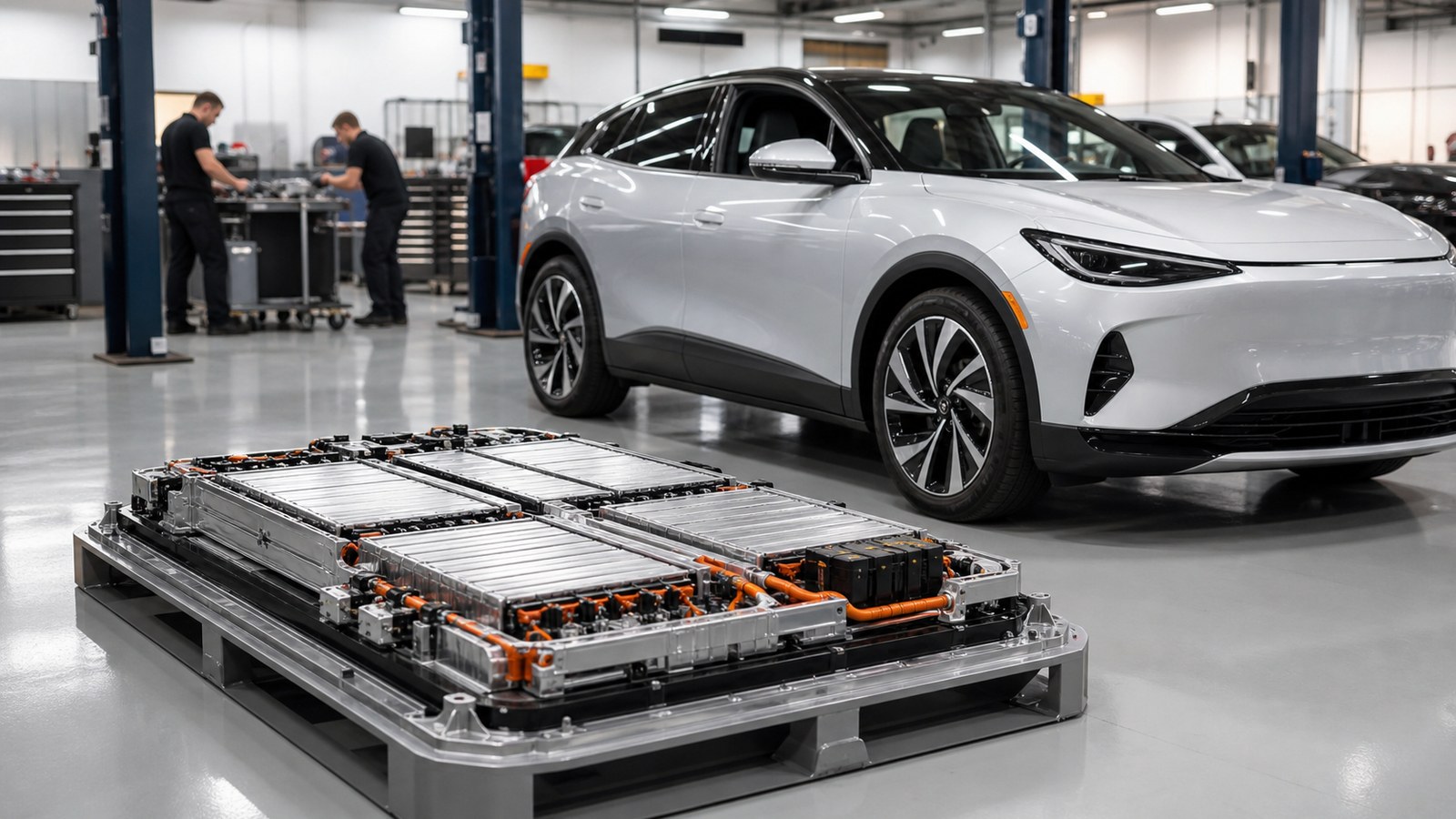
To understand how EVs function, it helps to break the system into its main components. The battery serves as the energy storage unit, holding electricity that will later be used to power the vehicle. The electric motor converts that stored energy into movement, turning the wheels without the need for combustion.
Between these components sits a network of electronics that manage power flow. These systems regulate how energy is delivered, how efficiently it is used, and how the battery is protected during charging and driving.
When the driver presses the accelerator, the system sends electricity from the battery to the motor. The motor responds instantly, producing torque and moving the vehicle forward. Because this process involves fewer steps than a combustion engine, the response feels smooth and immediate.
Another important feature is regenerative braking. When the vehicle slows down, some of the energy that would normally be lost as heat is captured and returned to the battery. This helps improve efficiency and extend driving range.
Types of Electric Vehicles
Electric vehicles come in several forms, each designed to meet different needs. Battery electric vehicles run entirely on electricity and must be plugged in to recharge. These are the purest form of EV and produce no tailpipe emissions.
Plug-in hybrid vehicles combine an electric motor with a gasoline engine. They can run on electricity for shorter distances and switch to gasoline for longer trips. This hybrid approach offers flexibility for drivers who are not ready to rely entirely on charging infrastructure.
Hybrid vehicles also use both electricity and gasoline, but they cannot be plugged in. Instead, they generate electricity internally through regenerative braking and the engine itself. While not fully electric, they represent a step toward electrification. Understanding these categories helps beginners choose a vehicle that fits their lifestyle and comfort level with charging.
Charging an Electric Vehicle
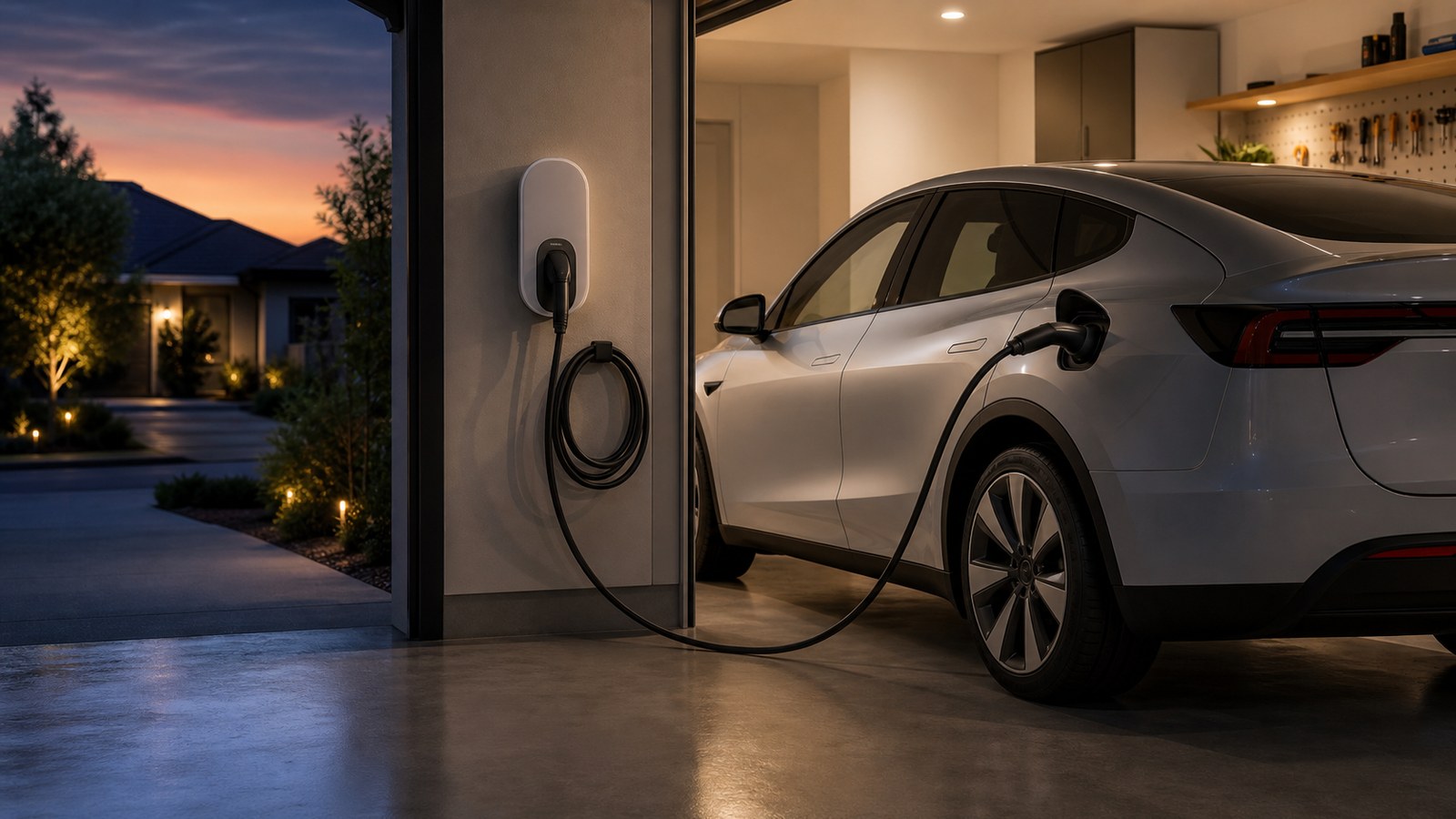
Charging is one of the most important aspects of EV ownership. Instead of visiting a gas station, EV drivers connect their vehicles to a power source to recharge the battery. This can be done at home, at work, or at public charging stations. Home charging is often the most convenient option. By installing a dedicated charging unit, drivers can recharge overnight and start each day with a full battery. This eliminates the need for regular trips to fueling stations.
Public charging expands flexibility, especially for long-distance travel. These stations vary in speed, with some designed for quick top-ups and others for rapid charging during road trips. The charging process itself is straightforward. Plug in the connector, allow the system to communicate, and let the battery fill with energy. Over time, this routine becomes second nature.
Range and Everyday Use
Range refers to how far an electric vehicle can travel on a single charge. For many beginners, this is one of the biggest concerns. However, modern EVs have made significant progress, offering ranges that meet or exceed the daily driving needs of most people.
For commuting, errands, and typical daily use, range is rarely an issue. Most drivers travel far less than the maximum range of modern EVs in a single day. Charging at home further reduces concern, as the vehicle is replenished regularly.
Longer trips require more planning, including identifying charging stops along the route. While this may seem like a limitation, many drivers find that it quickly becomes a manageable part of travel.
Costs and Savings
The cost of owning an electric vehicle involves more than just the purchase price. While some EVs may have higher upfront costs, they often offer savings over time through lower operating expenses. Electricity is generally less expensive than gasoline, especially when charging at home during off-peak hours. Maintenance costs are also typically lower due to the simpler design of electric drivetrains.
There are fewer fluids to replace, fewer moving parts to wear out, and no need for oil changes. These factors contribute to long-term savings that can offset the initial investment. Understanding total cost of ownership provides a clearer picture of the financial benefits of EVs.
Environmental Impact
Electric vehicles are often associated with environmental benefits, and for good reason. By eliminating tailpipe emissions, they reduce air pollution in urban areas and contribute to cleaner air. However, the full environmental impact depends on how the electricity used for charging is generated. Renewable energy sources enhance the benefits, while fossil fuel-based electricity reduces them. Battery production also has an environmental footprint, but advances in recycling and manufacturing are improving sustainability. Over time, EVs are becoming an increasingly eco-friendly option.
Technology and Innovation
Electric vehicles are closely linked to modern technology. Many EVs feature advanced software systems, digital interfaces, and connectivity that enhance the driving experience. Over-the-air updates allow manufacturers to improve vehicle performance and add new features without requiring a visit to a service center. This keeps EVs evolving even after they are purchased.
This integration of technology sets EVs apart from traditional vehicles and positions them as part of a broader shift toward smart, connected transportation.
Common Misconceptions
Despite their growing popularity, electric vehicles are still surrounded by misconceptions. Some people believe they are impractical for daily use, while others worry about charging availability or battery life. In reality, many of these concerns are based on outdated information. Charging networks are expanding, battery technology is improving, and EVs are becoming more accessible. Education plays a key role in addressing these misconceptions. As more people experience EVs firsthand, understanding continues to grow.
The Driving Experience
Driving an electric vehicle is a unique experience. The absence of engine noise creates a quieter cabin, while the smooth delivery of power makes acceleration feel effortless. For some drivers, this represents a new level of comfort and simplicity. For others, it takes time to adjust to the lack of familiar sounds and sensations.
Either way, the experience is distinctly different from traditional driving, offering a glimpse into the future of mobility.
The Future of Electric Vehicles
The rise of electric vehicles is not a temporary trend. It is part of a larger movement toward sustainable transportation and technological innovation. Governments, manufacturers, and consumers are all contributing to this shift.
Advances in battery technology, charging infrastructure, and vehicle design are making EVs more practical and appealing. As these improvements continue, electric vehicles are expected to become an even more common sight on the road. The future of driving is being shaped by electricity, and EVs are leading the way.
Why Understanding EVs Matters
For beginners, understanding electric vehicles is about more than learning a new type of car. It is about understanding a new approach to energy, efficiency, and transportation. EVs challenge long-held assumptions about what a car should be and how it should operate. By learning how they work, drivers can make informed decisions and adapt to a changing automotive landscape. In the end, an electric vehicle is not just a machine. It is a reflection of a broader shift toward cleaner, smarter, and more efficient ways of moving through the world.